Entertainment news and discussion on TalkFuse.
RPG players are conditioned to think they’re ‘built different’, says Josh Sawyer, so some of them hate it when games like Pillars of Eternity tell them they can’t do something
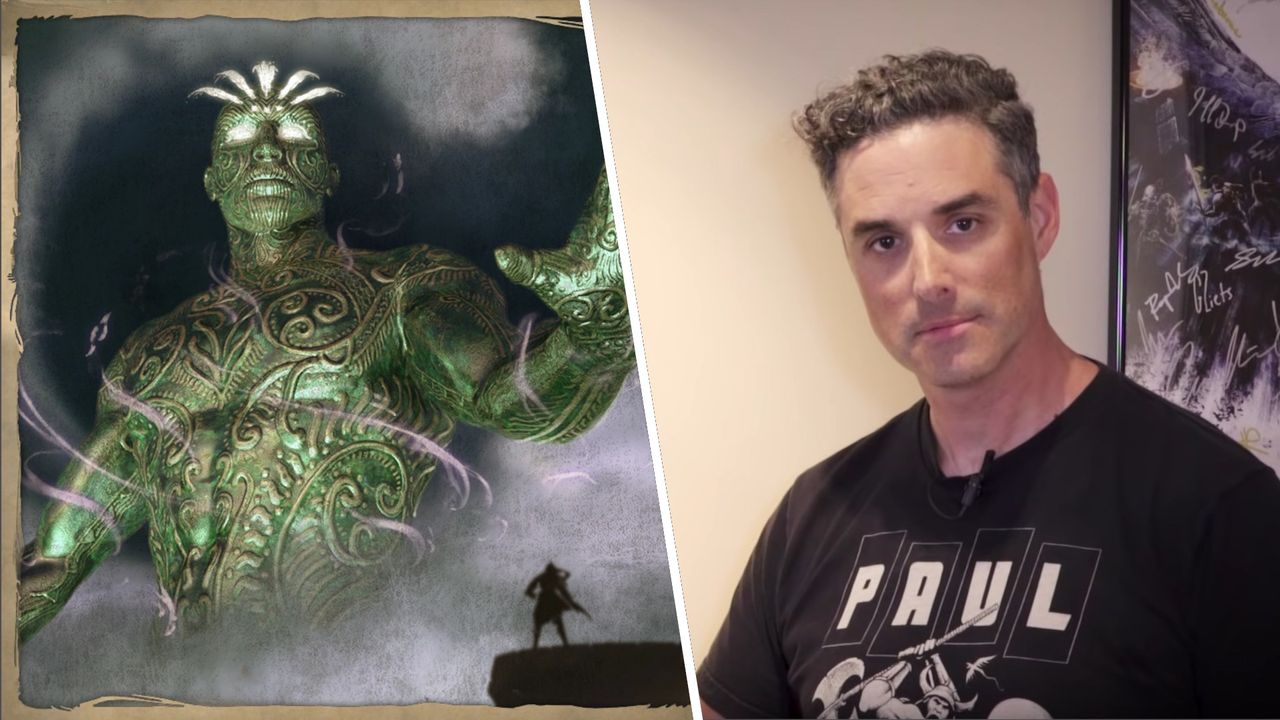
PC Gamer reports that RPG designer Josh Sawyer believes some role-playing game players react badly when a game tells them they cannot do something, because the genre has trained them to see their characters as unusually capable or exceptional. The point matters because it speaks to a wider design tension in RPGs: whether games should prioritise player freedom and empowerment, or impose firmer limits to support challenge, realism, or narrative consistency.
The article centres on Sawyer’s argument that some players feel “built different” and therefore dislike restrictions in games such as Pillars of Eternity. From the material provided, the piece appears to frame this as a broader comment on player expectations in the RPG genre rather than a specific gameplay update or controversy. The main context is Sawyer’s experience with RPG design and his suggestion that resistance to limits comes from long-standing genre conventions that encourage players to expect special treatment.
In short
- Josh Sawyer says RPGs train players to expect exceptional freedom.
- Some players dislike being told “no” in RPGs.
- The debate reflects a wider tension in RPG design.
Steelman: both sides, in good faith
The strongest fair case each way — we don't pick a winner.
The case for
Imposing meaningful limits on player actions creates design discipline and narrative coherence. When players face genuine constraints—whether through character limitations, worldbuilding logic, or story consequences—their choices become genuinely weighty rather than merely theatrical. Restrictions force designers to craft more thoughtful challenges and enable stories where outcomes matter, because not every option remains available.
The case against
RPGs exist fundamentally to grant players agency and the fantasy of being capable, exceptional characters navigating a world. Frequent restrictions that tell players 'you cannot do this' break immersion and contradict the genre's core appeal. Players invest emotionally in their characters precisely because they expect genuine freedom to approach problems creatively, improvise solutions, and define their own story.
Explained simply
Role-playing games let players control characters and make choices that shape their story. Game designers face a fundamental tension: they can prioritise player freedom and empowerment, letting players attempt almost anything, or they can impose firmer limits to create challenge, maintain narrative consistency, or reflect realistic constraints.
Josh Sawyer is an experienced RPG designer whose work includes Pillars of Eternity. He has argued that some players react negatively when games restrict what their character can do, because the RPG genre has conditioned them to expect their characters to be exceptional and capable of doing remarkable things.
This observation highlights a fundamental tension in game design between player expectations and designer intentions. Understanding why players dislike restrictions—even when those restrictions serve the game's challenge or story—helps explain how genre conventions shape what players believe they should be able to accomplish.