Rubio calls violent far-left terror a global ‘blind spot,’ gathers allies
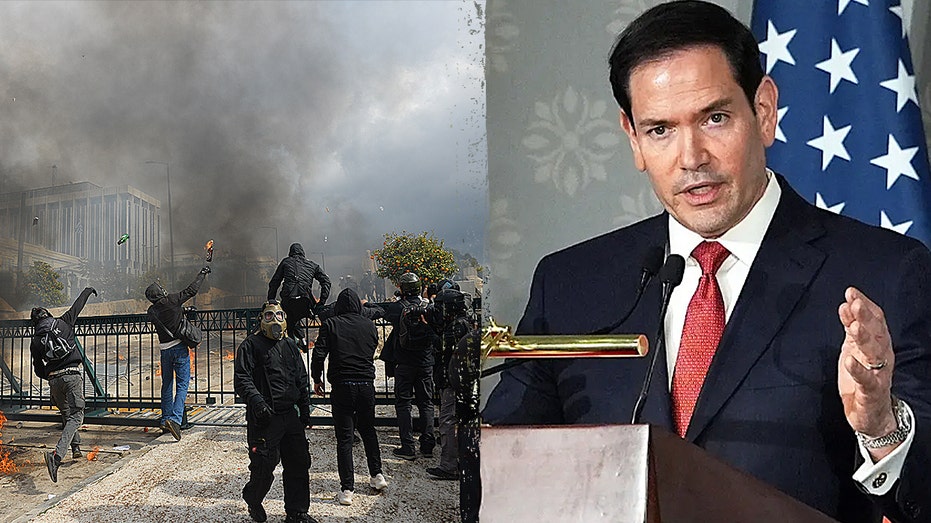
US Secretary of State Marco Rubio told a Washington summit of around 65 foreign delegations that violent far-left political terrorism has become a global "blind spot" that can no longer be ignored. He argued that governments, including the United States, have for too long excused or downplayed a resurgence of transnational far-left extremist violence, and said the Trump administration intends to make tackling it a formal counterterrorism priority.
Speaking at the opening of the State Department-hosted summit on Thursday, Rubio described the ideology behind such violence as "poisonous" and warned that it is often "masked as equality" to avoid scrutiny. More than 60 countries sent representatives to the gathering, which Rubio is using to build international consensus and coordination on countering far-left extremist networks, mirroring the kind of multilateral cooperation traditionally applied to other forms of terrorism.
In short
- Rubio calls far-left political violence a neglected global threat
- Around 65 countries attended his Washington counterterrorism summit
- He says such extremism is "poisonous" and disguised as equality
Steelman: both sides, in good faith
The strongest fair case each way — we don't pick a winner.
The case for
Far-left extremist violence has resurged across multiple countries and demonstrates transnational coordination, yet receives considerably less institutional attention and resources than other forms of terrorism despite comparable capacity for harm. Governments have indeed treated ideologically motivated violence inconsistently, allowing far-left networks to operate with insufficient disruption. The ideology's tendency to frame itself as social justice creates a genuine detection challenge that warrants serious counterintelligence effort. Establishing multilateral coordination frameworks, proven effective against other terrorist movements, represents a practical response to a demonstrable security gap.
The case against
Available evidence indicates far-left extremist violence causes substantially fewer casualties globally than right-wing extremism, Islamist terrorism, and other forms of political violence, raising legitimate questions about proportionality in counterterrorism priority allocation. The framing risks conflating genuine terrorism with legitimate political activism and protest, potentially enabling broader surveillance of left-wing movements under counterterrorism pretexts. The timing and political context suggest this issue elevation may reflect partisan priorities rather than evidence-driven security assessment. Given finite counterterrorism resources, redirecting effort toward a demonstrably smaller threat risks diverting capacity from statistically more significant security challenges facing most nations.
Explained simply
Far-left political extremism encompasses violent activities carried out in the name of radical left-wing causes, from anti-capitalist and anti-government activism to environmentalism and animal rights. Groups motivated by such ideologies have conducted attacks, property damage, and violence in various countries across several decades.
Governments typically allocate counterterrorism resources based on their assessment of which threats are most significant to their security. Different forms of political violence receive varying levels of governmental attention; counterterrorism strategies have historically concentrated on far-right extremism and Islamist networks, amongst other focus areas.
International counterterrorism cooperation involves countries working together to identify shared threats and coordinate policy responses. Such multilateral efforts create frameworks for intelligence sharing and diplomatic commitment to addressing specific security challenges across borders.