World news and discussion on TalkFuse.
Rubio declines to answer questions over Huang’s security risk
Developed over time first seen 2 days ago
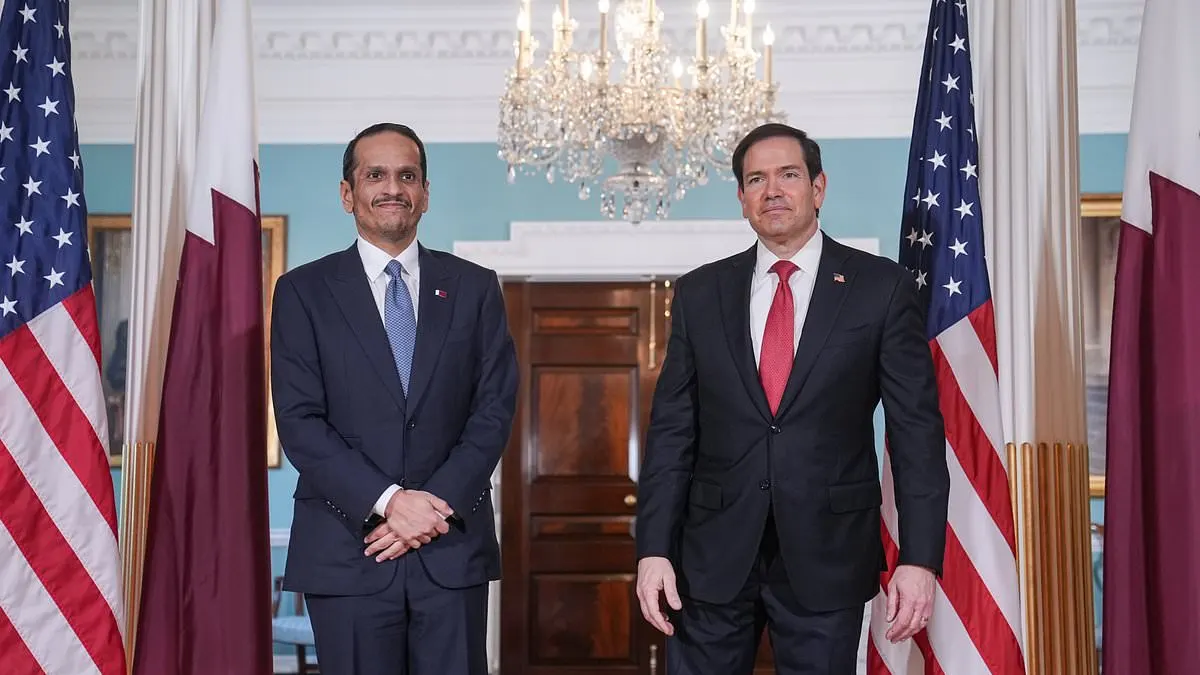
Nvidia reinstated Jensen Huang as chief executive, prompting questions about national security and the role of the US government in the board’s decision. Secretary of State Marco Rubio, who oversaw a report that reportedly raised concerns about Huang’s relationship with an alleged Chinese spy, left without answering reporters who asked whether Huang posed a security risk.
President Donald Trump praised Huang’s return and said his intervention with Nvidia’s board had been important. Republican lawmakers, alongside Democrats, called for answers, citing concerns about the decision and an investigation into Nvidia chips allegedly smuggled to China in breach of export controls.
Huang was due to testify at closed hearings before three House committees on 2 December and at a public Senate Banking Committee hearing the next day. Republicans including Senators Pete Ricketts and John Curtis questioned the board’s claim that it had consulted senior US officials and asked who advised it and on what basis it concluded there was no national security risk.
- Sources
- 2
- Outlets
- 2
- Left · Centre · Right
- 0 · 1 · 1
In short
- Nvidia reinstated Jensen Huang as CEO.
- Trump said his intervention with the board mattered.
- Lawmakers sought answers on security concerns and chip smuggling.
How this story developed
- 1 day ago New reporting put Republican demands for answers over the board’s advice at the centre of scrutiny, while Huang’s scheduled House and Senate testimony remained ahead.
- 1 day ago Republican senators Pete Ricketts and John Curtis joined calls for disclosure of which US officials advised Nvidia’s board and how it assessed national security risks, as lawmakers also scrutinised alleged smuggling of Nvidia chips to China.
- 2 days ago Nvidia restored Jensen Huang as chief executive 11 days after he acknowledged an affair with a woman accused of spying for China, prompting questions about security risks and political influence.
Full account
Nvidia’s decision to reinstate Jensen Huang as chief executive has drawn questions about national security and renewed scrutiny from lawmakers. Asked whether Huang posed a risk to the United States, Secretary of State Marco Rubio left without answering. The exchange took place after a meeting at the State Department; one account described Rubio as turning away and leaving, while offering no explanation for his silence.
The concerns centre on reports of Huang’s relationship with a woman accused of spying for China, and on a federal investigation into the alleged smuggling of Nvidia chips to China in breach of US export controls. The first report says Rubio had overseen an earlier assessment warning officials about the alleged relationship. It also reports that President Donald Trump said he had spoken with Nvidia’s board before Huang’s return and believed his intervention mattered. Trump later cited Attorney General Todd Blanche as saying the government had found no evidence Huang had acted unlawfully; the report gave no further detail about that statement.
The decision prompted criticism from both parties in Congress, including Republicans. Senator Pete Ricketts said Huang’s conduct did not justify reinstatement and argued that the move did not remove the need for him or Nvidia to answer lawmakers’ questions. Huang was due to appear at a closed hearing before three House committees on 2 December and publicly before the Senate Banking Committee the following day, according to the report. The congressional scrutiny comes as investigators examine the alleged chip shipments.
A separate broadcast report focused on the board’s decision and the competing considerations around Huang’s return. Cybersecurity executive Dmitri Alperovitch called the reinstatement premature while allegations and an independent investigation remained unresolved. Former diplomat James Lewis, by contrast, argued that removing Huang could disrupt Nvidia and US artificial intelligence development, though he said the reported relationship itself would ordinarily weigh heavily against a chief executive. The two accounts thus put different emphasis on the story: one foregrounds Rubio’s unanswered question and political fallout, while the other presents expert disagreement over the board’s decision and Huang’s importance to the company.
Where outlets differ
From the full account, which is AI-written from the sources:
The first outlet is a news report centred on Rubio’s silence, congressional reaction, Trump’s claimed involvement and the investigations. The second is a television interview exploring the board’s decision and national security implications through two experts with opposing assessments.
The first account describes Huang’s return as occurring eleven days after an admission of an affair with a woman it identifies as an accused Chinese spy. The second does not independently establish those details; its guest refers to allegations, possible interference with a Commerce Department investigation and a relationship with a subordinate.
The broadcast interview includes Alperovitch’s view that reinstatement before an investigation concludes is hard to understand, and Lewis’s view that Huang is central to US AI efforts. The first report instead highlights Republican criticism and upcoming congressional testimony.
The supplied first report says Trump cited the attorney general as reporting no evidence of unlawful conduct, without giving supporting details. The broadcast excerpt supplied does not address that claim.
Centre outlets 1
Only here: experts, weigh, national, implications, return
Right-leaning outlets 1
Only here: rubio, declines, answer, questions, risk
Every side used: security, huang
Headline columns compared word for word; nothing in them is AI-written.
Steelman: both sides, in good faith
The strongest fair case each way — we don't pick a winner.
The case for
Supporters of scrutiny argue that advanced Nvidia chips could have serious military and intelligence uses, so alleged smuggling and reported concerns about Huang’s contacts warrant careful congressional oversight. They say lawmakers should establish what advice the board received and whether export controls were adequately enforced, regardless of political intervention.
The case against
Those wary of escalating the criticism argue that allegations and reported contacts do not by themselves show that Huang or Nvidia poses a security risk. They may see the company’s cooperation with hearings and the investigation as a better basis for judging the facts, while warning that politicised pressure on a major technology firm could damage US competitiveness without improving security.
Explained simply
Nvidia is a US technology company best known for making advanced computer chips used in artificial intelligence. Its chief executive, Jensen Huang, is a prominent figure in the industry, and the company’s business with China has drawn attention because the US restricts exports of some advanced chips there.
Marco Rubio is the US secretary of state, while Donald Trump is president. Congress oversees government policy and can investigate companies; export controls are rules limiting the sale of certain goods to other countries. The scrutiny matters because lawmakers are examining whether Nvidia’s links to China could affect US national security and how officials handle those concerns.
Coverage · 2 sources
Bias meters
From 2 rated sources.
Read the full article at the source →
Originally published by Daily Mail as “Rubio walks off in silence when asked if Jensen Huang is a security risk as Republicans break ranks over Nvidia return”.