Study finds nearly one in 10 dogs die in car crashes, prompting restraint rules calls
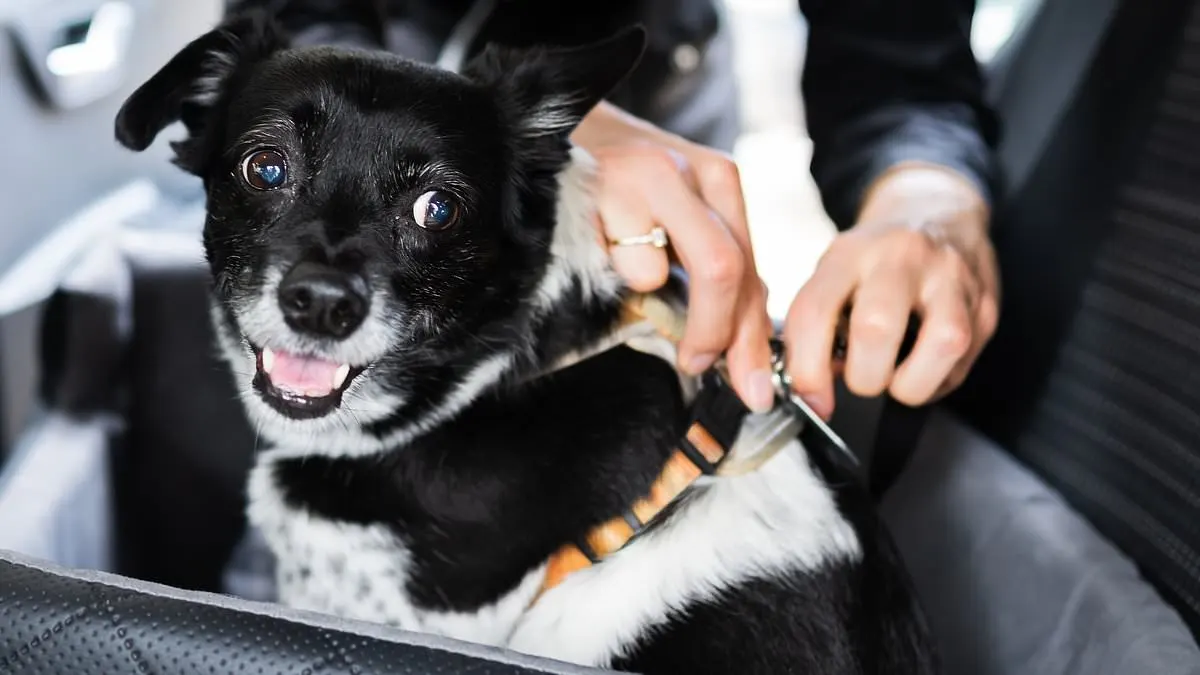
Research has found that dogs face a significant risk of serious injury or death during car accidents, with academics calling for properly regulated restraints similar to human seatbelts. The study examined 268 vehicle incidents involving dogs and found that nearly 10 per cent died and 28 per cent suffered injuries severe enough to require veterinary attention. Whilst the Highway Code recommends that animals be "suitably restrained" to prevent driver distraction, dog harnesses and restraints are largely unregulated, unlike the strict testing standards applied to human safety equipment.
The research, published in the journal Traffic Injury Prevention by Colorado State University academics, revealed that smaller dog breeds face the highest risk of death, as they are more prone to being thrown about in collisions. The team emphasised that as pets increasingly travel as vehicle occupants, their safety cannot continue to rely on "unregulated products and anecdotal evidence", calling instead for "evidence-based" restraints that cater to different dog sizes. This comes four decades after seatbelts became a legal requirement for human drivers and passengers in vehicles.
- Nearly 10% of dogs die in vehicle accidents, study finds
- Current dog restraints are unregulated unlike human seatbelts
- Smaller breeds face the highest risk of injury or death
New here? Start with this
Dogs increasingly travel in cars with their owners, but they have far fewer safety protections than people in vehicles. Whilst the Highway Code recommends that animals be "suitably restrained" to prevent distraction, dog harnesses and restraints are largely unregulated, unlike the strict safety standards applied to seatbelts and other vehicle safety equipment.
This creates a significant gap between what pet owners might expect and what currently exists. When purchasing a dog harness, owners have no way of knowing whether it meets any safety standard or has been tested for effectiveness in a crash. Meanwhile, passengers benefit from decades of regulation and rigorous testing designed to minimise injury during vehicle incidents.
The issue is becoming more urgent as pet ownership continues and more dogs travel in vehicles regularly. With millions of animals at risk during journeys, safety advocates argue that the lack of standards for dog restraint products deserves serious attention.
Both sides, in good faith
The strongest fair case each way — we don't pick a winner.
The case for
Unregulated dog restraints pose a genuine public safety risk: the research demonstrates that nearly one in ten dogs die in crashes and 28 per cent suffer serious injury. Just as we mandate regulated seatbelts for human passengers, evidence-based standards for dog harnesses would protect vulnerable animals who cannot advocate for themselves, whilst also reducing driver distraction. The current reliance on unregulated products means variable safety outcomes across the market, and education alone has not closed this gap over decades.
The case against
Mandating regulated dog restraints imposes significant costs and bureaucratic burden on pet owners without clear evidence that regulation is more effective than market competition and consumer education. Many responsible owners already restrain their dogs voluntarily, and the study's findings, whilst concerning, may not reflect typical driving conditions or represent a compelling case for new regulatory frameworks. Rather than creating expensive compliance requirements, improving public awareness about proper restraint use and allowing manufacturers to compete on safety merits would likely achieve protection for dogs more efficiently and with less economic burden to ordinary families.
Read the full article at the source →
Originally published by Daily Mail as “Ruff ride? Why dogs should buckle up as death rate for fluffy friends in car accidents is high, research finds”.