Running out of time: SEC, Big Ten wait on ‘Protect College Sports Act’ revisions as August recess nears
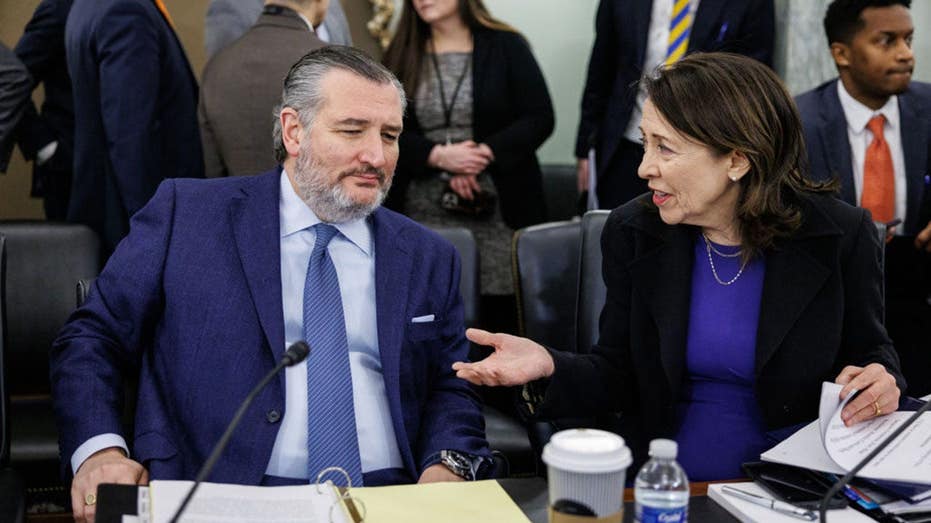
The SEC and Big Ten are awaiting revisions to the proposed Protect College Sports Act as Congress approaches its August recess, with college-sport leaders watching closely for federal action on name, image and likeness (NIL) rules. The legislation matters because it could create a national framework for athlete compensation and reduce the patchwork of state laws currently shaping college athletics.
The Senate Commerce Committee has advanced a bipartisan college-sports bill that would establish nationwide NIL payment rules and limit athletes to one penalty-free transfer during a five-year period. Discussion of the bill coincided with the SEC’s annual football media event in Florida, while the substantive negotiations continued in Washington.
In short
- Congress is revising a national college-sports NIL bill.
- SEC and Big Ten leaders await progress before recess.
- The proposal includes NIL rules and transfer limits.
Steelman: both sides, in good faith
The strongest fair case each way — we don't pick a winner.
The case for
Proponents argue that federal legislation creates essential consistency across states, preventing wealthy conferences and schools in states with favourable NIL laws from gaining unfair competitive advantages. A national framework would ensure athletes face uniform standards regardless of location, whilst allowing institutions to plan with predictability rather than adapting to an ever-shifting patchwork of state regulations.
The case against
Critics contend that federal restrictions on transfers and NIL arrangements constrain athletes' freedom and earning potential at a formative stage of their careers. They argue that market competition between schools and states naturally encourages efficient practices without requiring federal mandates, and that subjecting college athletes to special restrictions—rather than treating them as workers with the autonomy others enjoy—sets a troubling precedent.
Explained simply
College athletes currently earn money from endorsements and sponsorships under different rules depending on where they study, creating inconsistency across college sports. The Protect College Sports Act would establish one national set of rules for these payments instead, applying equally to all colleges.
The bill has advanced through the Senate Commerce Committee with bipartisan support and would set nationwide standards for athlete compensation. It would also limit athletes to one penalty-free transfer during any five-year period.
The SEC and Big Ten represent the largest college sports programmes and have significant influence over the sport. Because such legislation would directly affect their athletes and operations, these conferences are important voices in the debate over how college athletics should be regulated.