Rupert Lowe set to be paid as much for divisive posts on Elon Musk’s X as for being MP
Developed over time first seen 2 months ago
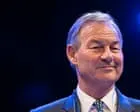
Rupert Lowe, the Great Yarmouth MP and leader of Restore Britain, has ended up earning almost as much from posting on Elon Musk's X as from his parliamentary salary, driven by a surge in inflammatory content on subjects such as mass deportations and diversity. His hourly earnings from the platform climbed to £1,476 from June, more than double the £932 an hour he averaged from the start of 2026, and over four times his 2025 average of £377. Critics argue the trend shows X's revenue-sharing model is directly incentivising divisive rhetoric, with researchers warning that Elon Musk's platform is effectively funding a British politician who echoes his views while facing scant scrutiny compared with other forms of foreign political money.
Lowe's total X income since the 2024 general election passed £105,000, with more than half of that earned in just the first eight months of 2026. Sustaining his 2026 average for the full year would net him roughly £93,000, close to the £98,599 MPs' salary, and his higher recent rate could push earnings past that threshold. Payments come through X's premium subscriber scheme, which rewards posts based on engagement; recent examples from Lowe, including a post on deporting illegal migrants that drew 1.3 million views, illustrate the scale of traction driving the payouts. Lowe has defended himself by noting he donates his entire net MP salary to charities in his constituency, saying being a politician is "the most expensive job" he's had, while Musk has repeatedly amplified his posts.
- Rupert Lowe's X earnings now rival his MP salary
- Hourly pay from X posts hit £1,476, driven by inflammatory content
- Critics say Musk's platform is financially rewarding divisive rhetoric
New here? Start with this
Rupert Lowe was elected MP for Great Yarmouth in 2024, standing for Reform UK before splitting from the party and later founding his own political grouping, Restore Britain. He has become known for outspoken posts on immigration and diversity on X, the social media platform owned by Elon Musk.
X pays some popular accounts a share of advertising revenue based on how much engagement their posts generate, meaning provocative content can translate directly into money. Because Lowe's posts often attract very large numbers of views and reactions, this scheme has turned his X activity into a significant source of income, alongside his MP's salary of just under £98,600 a year.
This matters because it raises questions about what incentives shape the words of an elected politician: whether a platform's payment system might encourage more inflammatory content, and about the influence of a foreign-owned company on British political debate. Lowe says money is not his motivation and points out he gives away his parliamentary salary to charity, while researchers who track these payments argue the arrangement deserves more public scrutiny.
Both sides, in good faith
The strongest fair case each way — we don't pick a winner.
The case for
Those raising concern argue that a platform whose algorithm pays by engagement effectively puts a price on outrage, and that a sitting MP earning more from a single inflammatory post than many constituents earn in weeks creates a troubling incentive to escalate rather than represent responsibly. They note the money originates with a foreign-owned platform run by a figure with his own political agenda, meaning a British politician's public voice is being shaped, however indirectly, by incentives outside domestic democratic scrutiny. For them, the issue is not that Lowe holds strong views, but that a novel and largely unregulated income stream rewards divisiveness specifically, blurring the line between representing the public and monetising them.
The case against
Lowe and those sympathetic to him would argue that he is simply exercising free speech on an open platform, being paid transparently for content that plainly resonates with a large and engaged audience, which is a legitimate reflection of public interest rather than any hidden influence or favour-trading. They point out he donates his full MP salary to local charities, which they see as clear evidence his parliamentary work is not driven by personal enrichment, and that his X earnings are disclosed rather than concealed. From this view, criticising a politician for successfully building an audience under a lawful, publicly known revenue-sharing scheme risks penalising effective communication and free expression, and voters remain free to judge both his views and his conduct for themselves.