Anthropic’s vast Queensland datacentre plan faces local opposition over energy demand
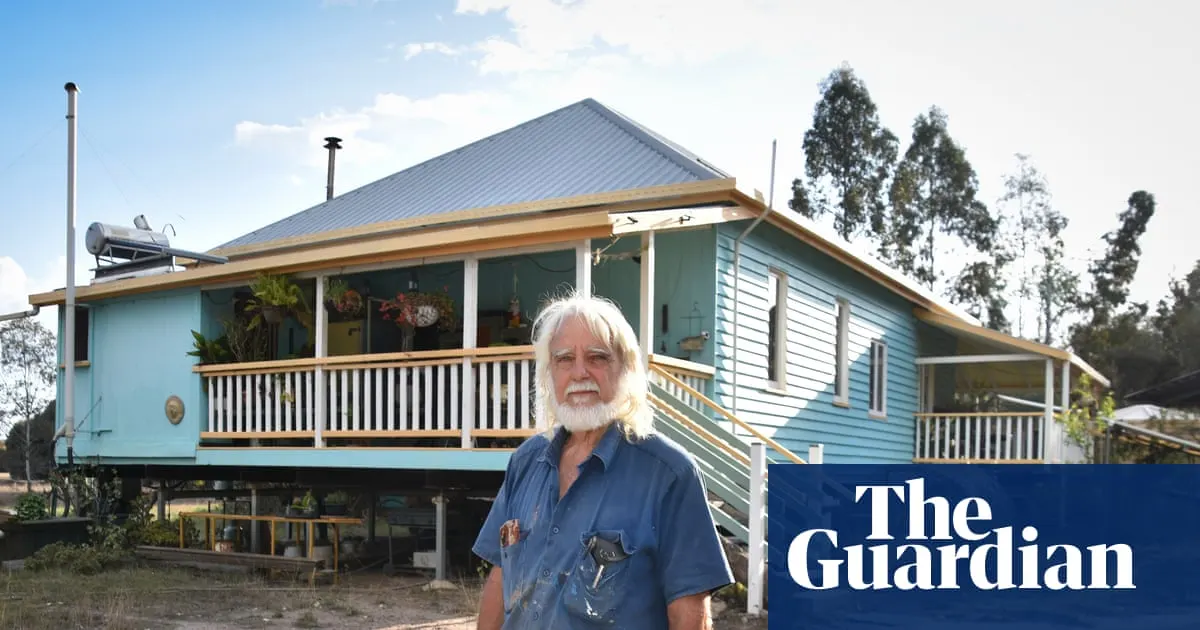
Anthropic plans to build a $31bn datacentre near Dalby in rural Queensland, which would be Australia’s largest if completed. The proposal has prompted opposition from residents who fear it could bring heavy energy demand and repeat the boom-and-bust effects they experienced with coal seam gas.
The 725-hectare site is currently a feedlot with 24,000 cattle. The developer says cooling would use about as much water as an average shopping centre, while the facility would need peak power of 2.16GW, around a quarter of Queensland’s total energy demand; it projects thousands of construction jobs and about 1,400 permanent roles. A local petition has attracted more than 21,500 signatures, and the Environmental Defenders Office reports a 250% rise in datacentre-related enquiries since January.
- A proposed $31bn AI datacentre near Dalby faces strong local opposition.
- It could require 2.16GW of power and create about 1,400 long-term jobs.
- Residents fear a repeat of coal seam gas’s boom-and-bust effects.
New here? Start with this
Anthropic is an artificial intelligence company that has proposed building a vast datacentre near Dalby in rural Queensland. Datacentres are sprawling facilities housing thousands of computer servers that process and store information. These installations are essential for AI systems and other digital services but require enormous amounts of electricity and water.
Queensland has recent experience with large-scale resource development projects. The state experienced significant coal seam gas extraction in the 2000s and 2010s, which initially created economic opportunities but also prompted concerns about environmental impact and long-term sustainability. This history has left communities cautious about new industrial proposals.
Energy demand is a central issue in the datacentre debate. A facility this size would require a massive share of the region's electricity supply, potentially straining local grids. For communities familiar with boom-and-bust cycles from past projects, questions about lasting benefits and environmental impacts remain key concerns.
Both sides, in good faith
The strongest fair case each way — we don't pick a winner.
The case for
The datacentre represents a transformative economic opportunity for regional Queensland, with $31bn investment, thousands of construction jobs, and 1,400 permanent positions in an area facing economic stagnation. Major infrastructure projects drive broader development—renewable energy generation, grid upgrades, and supply chain growth would benefit the region for decades. The developer's claims about manageable water use and the region's demonstrated capacity to manage large industrial operations (evidenced by CSG developments) suggest the environmental and resource concerns, whilst serious, are not insurmountable with proper regulation and investment in supporting infrastructure.
The case against
Locals' scepticism reflects hard-won experience: the CSG boom transformed Queensland temporarily, then retreated, leaving communities destabilised. A datacentre demanding a quarter of the state's energy would require massive new power generation precisely when Queensland is transitioning energy systems, creating grid vulnerability and environmental costs. The promised 1,400 permanent jobs pale against construction disruption and the likelihood that automation will shrink employment further. Water demands in a rural region where it is scarce, conversion of productive agricultural land, and the precedent of attracting similar megaprojects threaten the area's long-term stability and character in exchange for short-term gains unlikely to benefit local residents substantially.
Read the full article at the source →
Originally published by The Guardian as “Rural Queenslanders have seen gas projects come and go – but a 725-hectare datacentre poses a whole new level of ‘stupidity’”.