Review urges needs-based school support amid rising ADHD and autism diagnoses
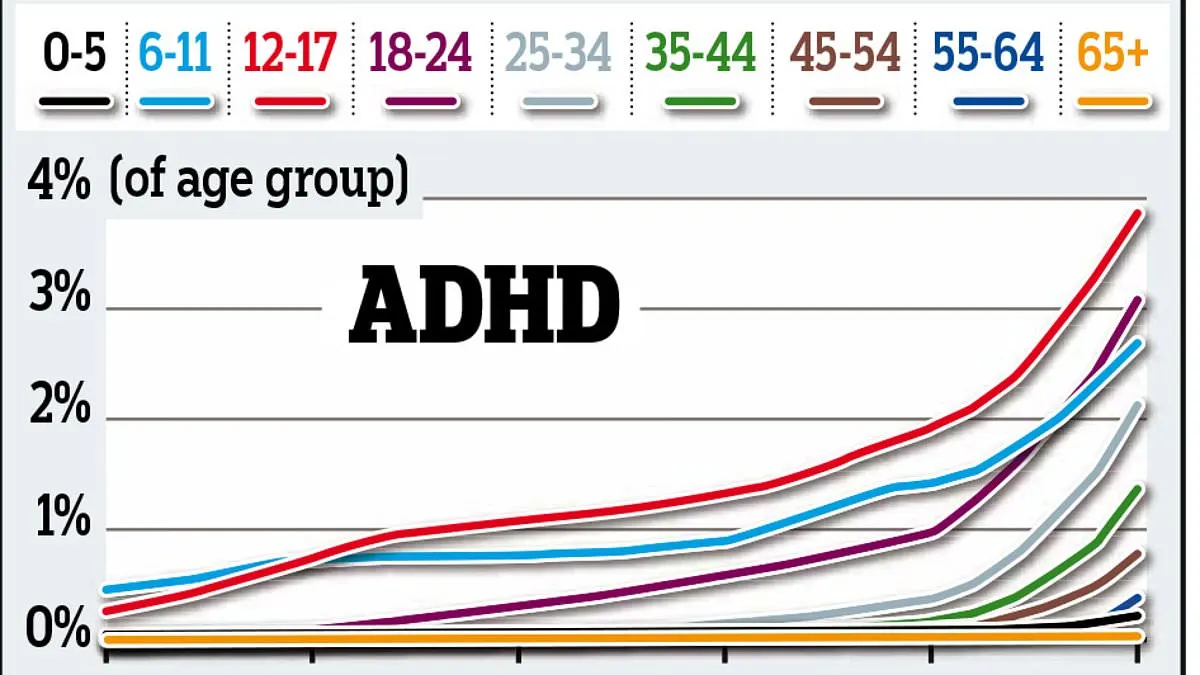
A Government-commissioned review warns that rising ADHD and autism diagnoses may expose children to misdiagnosis and harm, while a system that ties support to diagnosis can leave other needs unmet. It calls for practical help at school to be based on children’s needs while assessments are under way.
The review found no evidence that the number of autistic children has increased, despite recorded autism prevalence among six to 11-year-olds rising more than 20-fold, from 0.24 per cent in 2000 to 4.58 per cent in 2025. Private providers conduct more than half of NHS-funded ADHD assessments and a third of autism assessments; the report recommends registering them with the Care Quality Commission and banning public advertising. It also says children diagnosed with ADHD before 17 are around four times less likely to be in education, employment or training in early adulthood.
- Review warns that misdiagnosis may harm children.
- Recorded autism prevalence among six to 11-year-olds rose over 20-fold.
- Report calls for support based on needs, not diagnosis.
New here? Start with this
Diagnoses of ADHD and autism among children have risen steeply in recent years, and a Government review has now examined concerns about this trend. The review raises questions about whether the increase reflects a genuine rise in these conditions or other factors, and warns of risks including misdiagnosis and unmet needs.
In schools, practical support for children typically depends on having a formal diagnosis. However, a formal assessment can take months or longer, leaving children with difficulties without help in the meantime and potentially preventing other needs from being recognised.
Children diagnosed with ADHD before 17 are about four times less likely to be in education, employment or training in early adulthood. This demonstrates why the question of how schools assess and support children with these conditions matters to their long-term life outcomes.
Both sides, in good faith
The strongest fair case each way — we don't pick a winner.
The case for
The review identifies a genuine risk in a system where support depends entirely on diagnosis: children with real needs who haven't yet received formal assessment go without help, potentially for months. The eightfold rise in recorded autism diagnoses despite no evidence of actual increases in the condition suggests diagnostic thresholds have shifted significantly, raising concerns about over-diagnosis and harm to children who receive labels they don't need. Private providers conducting over half of assessments create financial incentive structures that may drive unnecessary diagnoses; requiring Care Quality Commission registration and banning advertising would introduce proper oversight whilst ensuring all children receive practical support based on observed needs rather than formal labels.
The case against
Diagnosis provides the rigorous foundation necessary for evidence-based treatment of ADHD and autism, ensuring children receive interventions specifically developed for their condition rather than generic support. What appears as over-diagnosis may instead reflect improved identification of conditions previously missed, especially in underdiagnosed populations and girls. Private providers address genuine demand where NHS services cannot keep pace; excessive regulation and advertising restrictions could further restrict access to assessments that families desperately need. Replacing diagnostic clarity with vague needs-based systems risks becoming harder to resource fairly and audit properly, whilst losing the precision that prevents inappropriate interventions.
Read the full article at the source →
Originally published by Daily Mail as “Rush to diagnose ADHD and autism can damage children: As rates soar up to 40-fold, a major review warns of the toll on those wrongly given a label”.