Culture news and discussion on TalkFuse.
Rush to find solar eclipse glasses as UK high street stocks run short
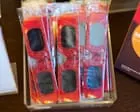
Shoppers across the UK are scrambling to find eclipse glasses ahead of Wednesday's partial solar eclipse, with high street shops and online retailers running short of stock. Many who order now are told delivery will not arrive until later in the week, too late for the event itself, and the Royal Observatory Greenwich has confirmed it has sold out both online and in-store due to unprecedented demand. Ordinary sunglasses are not a safe substitute, and experts say the shortage stems largely from people leaving their preparations too late rather than a genuine supply problem.
One importer, Neill Sanders of Go Stargazing, brought in 300,000 pairs from the US and distributed 100,000 at discounted prices to astronomy clubs, but says it is now too late to get the rest out in time. Frustrated buyers, such as one Kent resident who was turned away by a local optician, have resorted to borrowing or sharing spare glasses. For those without proper eyewear, astronomers recommend indirect viewing methods, such as projecting the eclipse's shadow through a colander or pinhole in paper, while health bodies including the Royal College of Ophthalmologists have reissued safety guidance, noting that around 70 people suffered eye problems after watching the 1999 total eclipse.
In short
- UK eclipse glasses are sold out ahead of Wednesday's partial solar eclipse
- Late online orders won't arrive in time; shortage blamed on poor planning
- Experts suggest safe indirect viewing, such as pinhole projection, as an alternative
Steelman: both sides, in good faith
The strongest fair case each way — we don't pick a winner.
The case for
The complete sellout of major retailers, including the Royal Observatory, during a foreseeable and nationally significant event suggests inadequate institutional planning. An importer sourced 300,000 pairs yet could not distribute 200,000 of them in time, revealing that supply chains were insufficiently positioned throughout distribution networks. For such a predictable occasion, retailers and authorities should have anticipated demand more aggressively and ensured adequate stock availability.
The case against
The supply chain functioned appropriately—an importer successfully sourced 300,000 pairs and distributed 100,000 to astronomy groups, demonstrating ample capacity for those who planned ahead. That final orders cannot be delivered overnight is unremarkable commerce; consumers who procrastinated faced predictable delays. Safe viewing alternatives exist for the unprepared, and this reflects ordinary consumer behaviour rather than supply inadequacy.
Explained simply
A solar eclipse happens when the Moon passes between Earth and the Sun, briefly blocking some or all of the Sun from view. In a partial eclipse, only part of the Sun is covered, but looking directly at it can still damage your eyes.
Special eclipse glasses have filters designed for safe viewing; ordinary sunglasses do not provide enough protection. The Royal Observatory Greenwich and astronomy groups are among the sources of viewing advice, and astronomers also describe indirect ways to watch, such as projecting the Sun’s image through a small hole.
The UK’s last total solar eclipse was in 1999, when some people developed eye problems after watching it. The safety guidance matters because eye damage can occur even when the Sun is partly covered.
Art Business Culture Geopolitics Markets Politics UK World