Rush to vaccinate penguins amid fears bird flu could decimate their numbers
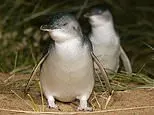
Australian authorities have launched a large-scale programme to vaccinate penguins on Phillip Island against bird flu, after the country recorded its first case of the H5 strain in a mammal. A long-nosed fur seal found dead at Beachport, South Australia, tested positive for the virus, which experts believe it contracted from wild birds. Officials say the finding, while concerning, was expected given the spread of infection among wild bird populations, and warn that further losses among marine mammals are likely as the outbreak continues.
The vaccination effort aims to give first doses to around 1,000 penguins, with 300 more due to be treated, making it the largest such project attempted anywhere in the world. Penguins are considered good candidates because they return to the same site nightly and are used to being handled, though they require two doses and are described as tricky to manage. It is not yet clear how much protection the vaccine will provide, but officials hope it will reduce the severity of illness in infected birds. The virus was first detected in Australia in June, and while no cases have been found in agricultural settings and human health risk remains low, experts warn mammal-to-mammal transmission, as seen in South America and Antarctica, could prove devastating for seal populations, particularly pups.
- Australia records first bird flu case in a mammal, a dead seal
- World's largest penguin bird flu vaccination drive under way on Phillip Island
- Experts fear virus could spread further among mammals, especially seals
New here? Start with this
Vaccinating penguins against bird flu is a new step in Australia's response to an outbreak that has been spreading through wild bird populations since June. The immediate trigger is the country's first confirmed case in a mammal, a fur seal found dead in South Australia, which has raised concern that the virus could start moving between mammals rather than just from birds.
The vaccination programme, run on Phillip Island in Victoria, is aimed at protecting the island's well-known penguin colony, a major tourist attraction and a species considered vulnerable to the disease. Penguins were chosen partly because they are easy to handle and return to the same nesting sites each night, making repeated vaccine doses more practical than with many wild animals.
The stakes are broader than one colony: officials and scientists are watching for signs that the virus could spread between mammals, as it has done elsewhere in the world, which could threaten seal populations as well as birds. Human health risk is currently considered low, and no cases have been found on farms, but authorities say further wildlife deaths are likely as the outbreak continues.
Both sides, in good faith
The strongest fair case each way — we don't pick a winner.
The case for
Supporters argue that with H5 already causing mass seabird die-offs elsewhere in the world and now reaching mammals in Australian waters, proactive vaccination is a justified precautionary measure to protect a colony that is both ecologically significant and a major drawcard for eco-tourism. Given that penguins are unusually easy to handle and revisit the same site nightly, they see this as a rare opportunity where intervention is logistically feasible and could meaningfully reduce mortality, even if the vaccine's effectiveness is not yet fully proven. They contend that waiting for certainty before acting risks repeating the catastrophic losses seen in South American and Antarctic wildlife, and that erring on the side of action reflects responsible stewardship of a vulnerable, isolated population.
The case against
Sceptics of the programme, while sharing the underlying concern for animal welfare, question whether resources are best spent on a large-scale vaccination effort whose protective benefit remains unproven, especially given the added stress of repeated capture and handling on wild birds. They may argue that conservation funds and expert capacity could be better directed towards monitoring, habitat protection or preparing for mammal-to-mammal spread in seals, where the threat is described as potentially more severe. Some would also caution against setting a precedent of intensive human intervention in wild bird populations, preferring to let natural disease dynamics play out while focusing limited resources on the sites and species where outcomes are more certain.