Russell Brand Takes the Stand in Rape Trial and Reveals No One Agreed to Testify on His Behalf: ‘My Entire Life Has Been Consumed by These Allegations’
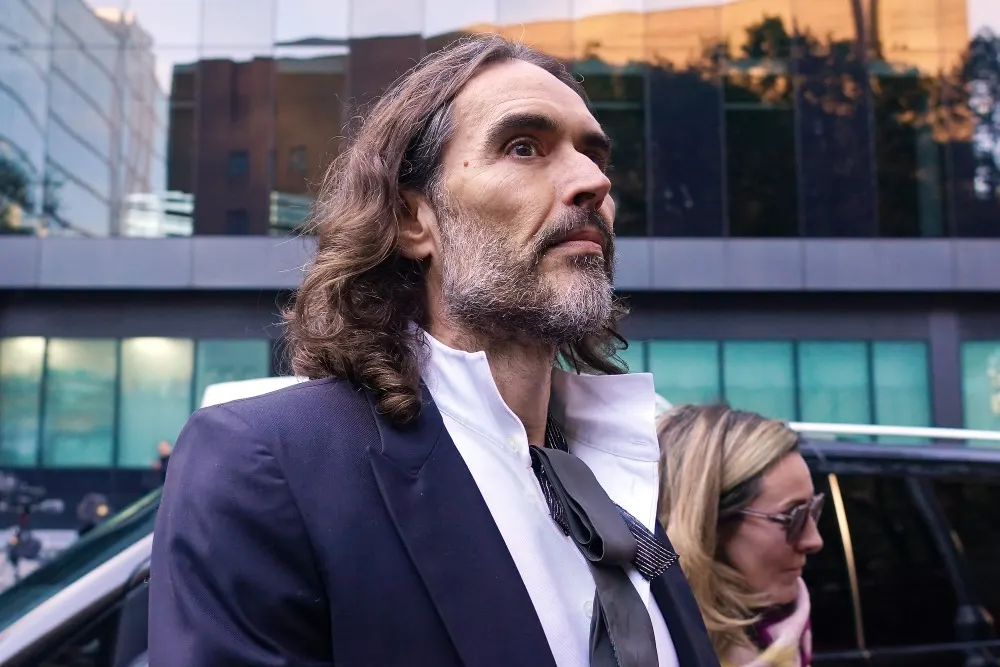
Russell Brand testified in his London criminal trial, denying the allegations against him and saying he could not find anyone with relevant information who was willing to testify for his defence. He told the court that the allegations had consumed his life and described a Channel 4 documentary about him as devastating.
Brand faces three rape charges and three sexual assault charges, and has pleaded not guilty to all six. The case concerns six women and alleged offences between 1999 and 2009; one of the original seven charges was reduced from indecent assault to attempted indecent assault after the judge found insufficient evidence for the more serious charge. Brand also gave evidence about several allegations, disputing some accounts and saying he could not recall another.
In short
- Brand denied the allegations while testifying in London.
- He said no relevant witnesses agreed to testify for his defence.
- The case involves six women and alleged offences from 1999 to 2009.
Steelman: both sides, in good faith
The strongest fair case each way — we don't pick a winner.
The case for
The defence case is that Brand denies the charges, and the prosecution must prove each allegation beyond reasonable doubt. His account that he could not find witnesses willing to testify, alongside his disputes about particular events and inability to recall another, may be relevant to how the jury assesses the evidence; the effect of the documentary and public allegations also illustrates the personal cost of facing serious accusations.
The case against
The prosecution case is that the charges concern alleged sexual offences against six women over several years, and the jury should assess their evidence and the other material presented at trial rather than infer innocence from Brand’s public hardship or difficulty finding defence witnesses. His denials and disputed recollections are part of the evidence to weigh against the allegations, with the burden remaining on the prosecution to establish guilt beyond reasonable doubt.
Explained simply
Russell Brand is a British comedian and broadcaster who became widely known through television, radio and film. The criminal case concerns allegations made by six women about incidents said to have taken place between 1999 and 2009.
Brand faces three rape charges and three sexual assault charges, and denies all six. One other charge was changed to attempted indecent assault after the judge ruled there was not enough evidence for the more serious offence.
The case is being heard in a criminal court in London, where prosecutors must present evidence and the jury must decide whether the charges are proved. The outcome matters to the women who brought the allegations and to Brand, whose guilt or innocence will be determined by the court.