Russell Brand’s Defense in Rape Trial Is ‘A Lot of Half-Truths, but Spun Into Lies,’ Prosecution Claims in Closing Argument
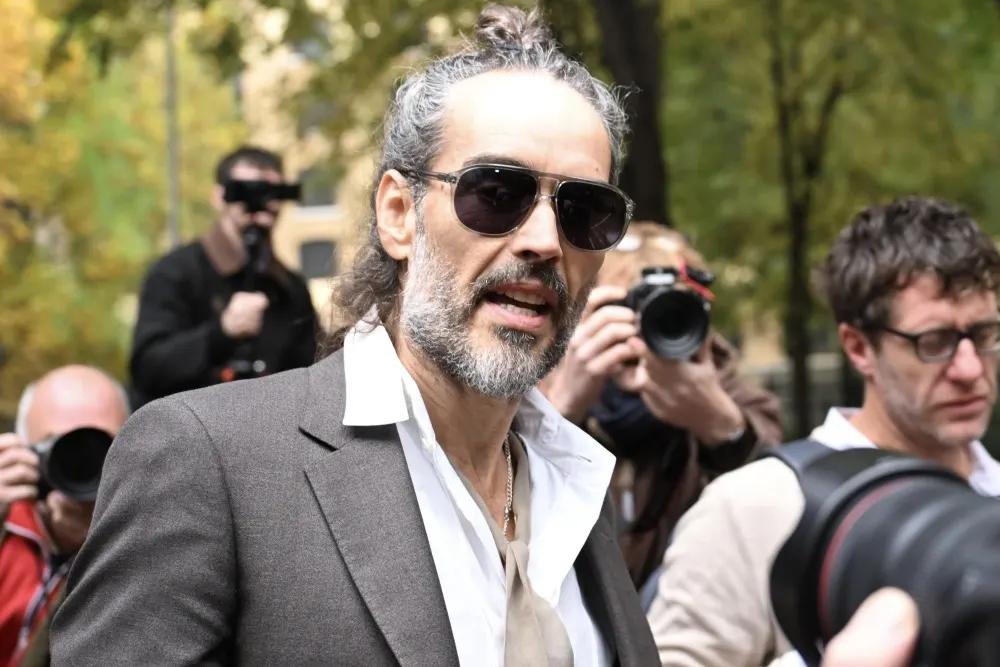
Prosecutors told jurors that Russell Brand’s defence in his London trial relied on “half-truths” turned into lies, and challenged his account of events and memory of the alleged offences. Brand denies all charges and has pleaded not guilty; the jury must decide whether the prosecution has proved its case.
The six complainants, who have lifelong anonymity under UK law, allege offences between 1999 and 2009. Brand faces three rape charges, three sexual assault charges and one attempted indecent assault charge, covering claims at a political conference, workplaces and social events. He testified that he was innocent, while acknowledging that some past behaviour was wrong in retrospect; prosecutors also questioned how much his wife’s testimony could establish about the period in question.
In short
- Brand denies all seven charges.
- Six women allege offences between 1999 and 2009.
- Prosecutors challenged his account in closing arguments.
Steelman: both sides, in good faith
The strongest fair case each way — we don't pick a winner.
The case for
The prosecution’s case is that jurors should assess the complainants’ accounts alongside the surrounding evidence and scrutinise whether Brand’s explanations are consistent and credible. If the defence has omitted context or presented events in a misleading way, the prosecution argues that this may weaken his account and support the allegations.
The case against
The defence’s case is that Brand denies the charges and is entitled to have each allegation tested against the evidence, rather than treating disputed accounts or past behaviour as proof of guilt. Questions about memory, interpretation and what witnesses can establish may matter, and the jury must acquit unless the prosecution proves each charge beyond reasonable doubt.