Russell Crowe was offered one of the most influential movies ever made and “couldn’t get past page 42”
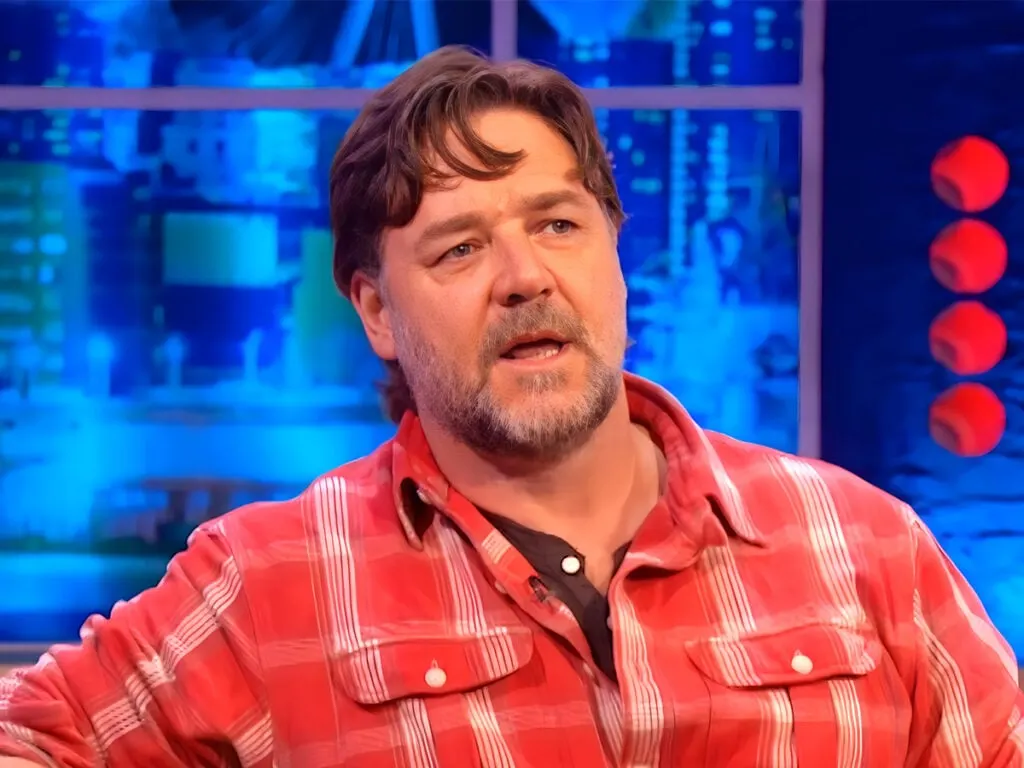
Russell Crowe says he turned down a role in *The Matrix* after reading only 42 pages of the screenplay, because he did not find its imagined world interesting. The decision meant passing on Morpheus, the part later played by Laurence Fishburne, in a film that became highly influential.
The article links Crowe’s reaction to his experience making *Virtuosity* in 1995, a science-fiction thriller in which he starred opposite Denzel Washington. Though its story about an AI villain escaping into the real world anticipated later debates about artificial intelligence and virtual reality, the film’s effects and execution were widely regarded as poor. Crowe later joked about the film, which the article suggests may have made him wary of another story about virtual worlds.
- Crowe stopped reading *The Matrix* at page 42.
- The Wachowskis wanted him to play Morpheus.
- His earlier sci-fi film *Virtuosity* explored AI but struggled in execution.
New here? Start with this
The Matrix is a science-fiction film about people who discover that the world they experience is a computer-generated simulation. It was made by Lana and Lilly Wachowski and released in 1999; Laurence Fishburne played Morpheus, a guide to the film’s central character.
Russell Crowe says he was offered the role of Morpheus but stopped reading the script after 42 pages because its imagined world did not interest him. Before that, he had starred in Virtuosity, a 1995 thriller about an artificial-intelligence villain entering the real world. The two films’ use of virtual worlds helps explain why Crowe’s earlier experience is relevant to his decision.