World news and discussion on TalkFuse.
Russia claims over 1,000 Ukrainian drones downed in one night as fires rage across industrial towns
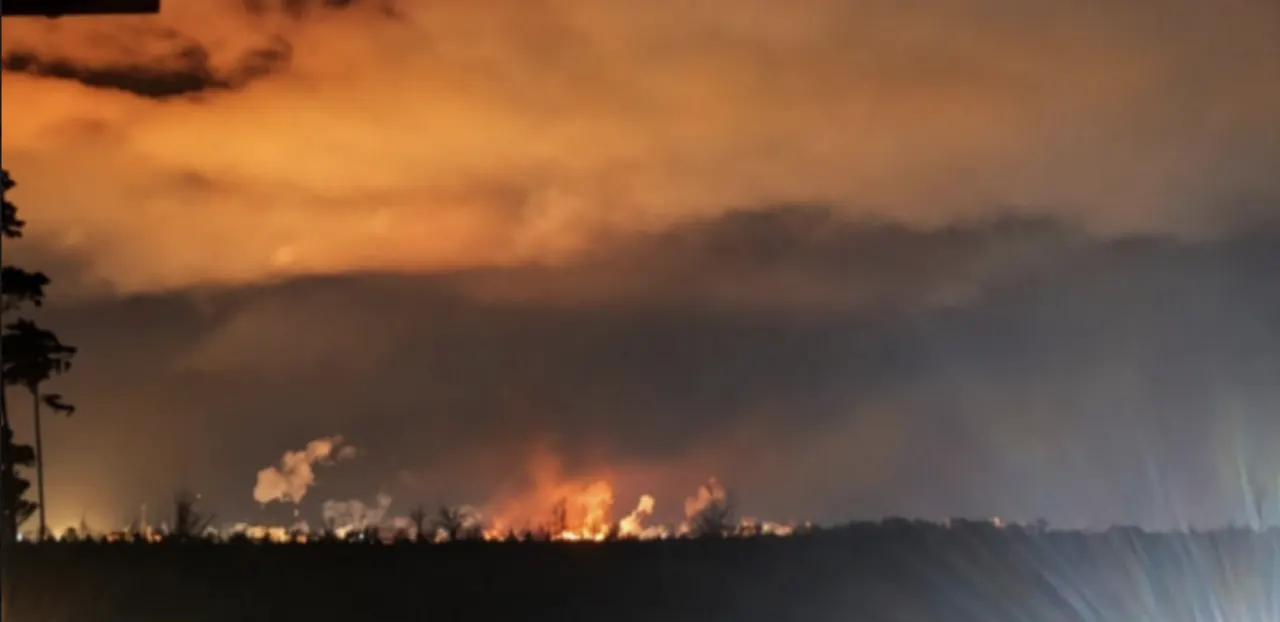
Russia's Defence Ministry says it shot down 1,017 Ukrainian drones overnight on 29 November across 20 regions, including Moscow Oblast, and fires broke out at industrial sites. Telegram channels reported strikes on factories linked to Russia's war effort, including a fire at a Tolyatti plant that produces chemical materials for rocket fuel. The Kyiv Independent could not independently verify these reports, and Ukraine has not confirmed the drone attacks. The episode points to Kyiv's growing capacity to strike deep inside Russia as the war extends beyond the front line.
Further fires were reported in Nizhnekamsk in Tatarstan and at the Kapustin Yar rocket test site in Astrakhan Oblast. The New York Times reports that Ukraine has hit 40 oil and military-industrial sites in 50 days, a wartime record. The article also cites recent Ukrainian strikes on a section of the Crimean Bridge and on Russian warships in the Baltic and Mediterranean seas. Meanwhile, Russia is escalating attacks on Ukrainian civilian infrastructure, including bridges and energy facilities, and many people have left Kyiv ahead of an expected severe winter energy crisis.
In short
- Russia says 1,017 Ukrainian drones were downed overnight across 20 regions.
- Fires reported at industrial sites, including a rocket-fuel chemical plant in Tolyatti.
- Ukraine has not confirmed the attacks, and the reports remain unverified independently.
Steelman: both sides, in good faith
The strongest fair case each way — we don't pick a winner.
The case for
Ukraine's supporters argue that it is defending itself against a full-scale invasion, and that striking refineries, chemical plants and rocket-fuel suppliers directly weakens Russia's ability to sustain its military campaign. They contend that such targets are part of the war economy rather than civilian life, and that a state under attack has a legitimate right to reach the sources of that attack. Many also point to Russia's own strikes on Ukrainian energy facilities and bridges, arguing that pressure on Russia's industrial base is a necessary deterrent that may eventually bring Moscow to the negotiating table.
The case against
Critics argue that deep strikes risk escalation, since Russia may respond by intensifying attacks on Ukrainian infrastructure at a time when many Ukrainians already face a difficult winter energy crisis. They note that fires at industrial sites can spread to nearby homes and workers, and that the line between military and civilian production is often blurred in practice. Some also raise strategic and diplomatic concerns: that an expanding campaign of long-range strikes may divert resources, strain relations with partners who are wary of escalation, and make a negotiated settlement harder, while setting precedents that could weaken restraint on all sides in future conflicts.
Europe Russia-Ukraine War World