Russia exposes NATO weapons gap as top commander warns ‘the math is not in favor of the West’
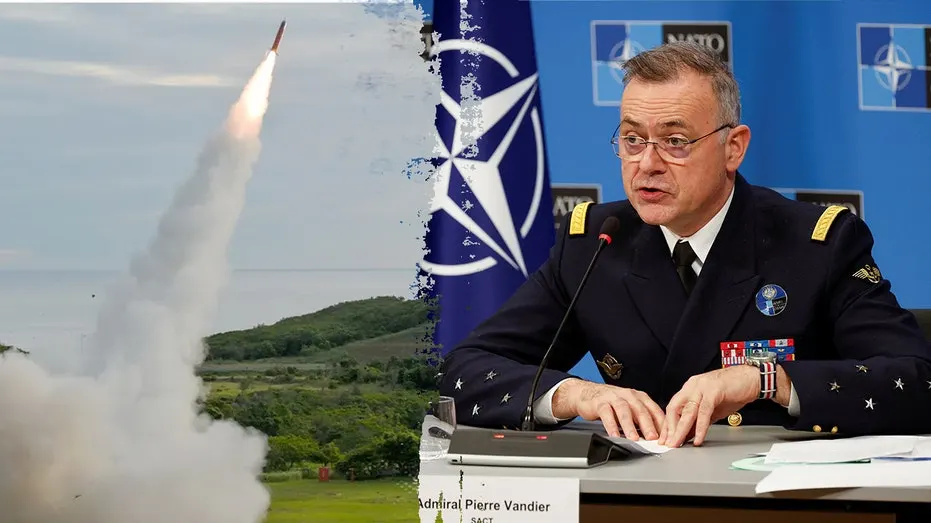
A senior NATO commander has warned that Western nations lack the industrial capacity to produce weapons at the scale needed to counter modern threats, days after alliance members pledged tens of billions of dollars towards new air and missile defence systems. French Admiral Pierre Vandier, NATO's top transformation commander, said the war in Ukraine and conflicts in the Middle East have exposed serious shortfalls in the West's ability to manufacture munitions and defence systems fast enough, arguing that current arsenals and production lines were designed for a different era of warfare.
Vandier said "the math is not in favour of the West," highlighting that there is "no way to produce 50,000 Patriots a year" under existing industrial arrangements, illustrating the scale of the mismatch between demand and manufacturing capacity. He called for a fundamental redesign of Western weapons systems and defence supply chains to withstand attacks at the intensity now being seen in Ukraine, framing this as an urgent priority following NATO's recent commitment of significant new funding to air and missile defence.
In short
- NATO commander warns West cannot mass-produce weapons fast enough
- Admiral Pierre Vandier cites Patriot missile production shortfall as example
- Comes after NATO pledged billions for new air defences
Steelman: both sides, in good faith
The strongest fair case each way — we don't pick a winner.
The case for
Admiral Vandier's warning reflects a genuine and urgent challenge that Western nations must confront seriously. The Ukraine conflict has revealed that production capacity designed for a different era cannot meet modern wartime demand, consuming munitions at rates far exceeding peacetime expectations. Without fundamental restructuring of defence manufacturing, NATO faces real risk of inability to sustain long-term support for allies or defend against peer conflict. Honest acknowledgement of this mathematical mismatch is essential to spur the political will and industrial mobilisation required.
The case against
Whilst manufacturing challenges merit serious attention, framing them as mathematically unfavourable to the West risks being strategically counterproductive. Western nations collectively possess vast industrial capacity, technological expertise and financial resources that can be rapidly mobilised if political commitment exists—historical precedent demonstrates democracies can scale production dramatically when needed. The pessimistic framing may undermine public support for defence spending and reinforce adversarial narratives, when instead action-oriented investment should proceed with confidence in Western industrial capability.
Explained simply
NATO is a military alliance of North American and European countries that collectively commit to defending each other. Senior NATO officials have raised concerns that member nations cannot manufacture weapons and ammunition quickly enough to meet the demands of modern conflicts.
Recent wars, particularly in Ukraine, have revealed that Western defence factories were designed for an earlier style of warfare requiring far lower production volumes. Today's conflicts consume ammunition and military equipment at a pace and scale that existing manufacturing capacity simply cannot match.
This matters because NATO members worry they would struggle to sustain their defences if forced into a prolonged major conflict. The alliance is now grappling with how to redesign and expand weapons production systems to meet contemporary military demands, rather than the different threats military planners anticipated when current factories were built.
Europe Geopolitics Politics World