Russia is secretly helping Iran develop supersonic missiles
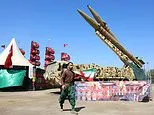
An investigation by the Financial Times has found that Russia has been secretly helping Iran develop supersonic cruise missiles, in what could be the most significant known transfer of military technology between the two countries. The programme, codenamed C43OL, has enlisted some of Moscow's top missile experts to help Tehran build a ramjet propulsion system, which would let a cruise missile sustain flight at several times the speed of sound, making it capable of threatening US aircraft carriers and warships in the Middle East and extremely difficult to intercept.
The scheme was arranged by Russia's state arms exporter, Rosoboronexport, working with state-owned rocket designer NPO Mashinostroyenia, which the US sanctioned in 2014 over cruise missile development. Leaked travel records show Russian officials and engineers made repeated trips to Iran before a formal contract was signed in November 2023, and by 2025 Moscow had received a large cache of Iranian technical material on the propulsion system; Iran has tested but not yet deployed it. Experts say the deal, which would require top-level political approval in Russia, reflects a deepening exchange in which Iran has supplied Moscow with attack drones for use in Ukraine, and comes as fresh US-Iran hostilities this week have seen American strikes on Iranian military targets and Iranian retaliatory attacks across the region.
In short
- Russia is secretly helping Iran build supersonic cruise missiles, FT investigation finds
- Programme "C43OL" aims to give Iran a ramjet propulsion system
- Comes amid deepening Russia-Iran military ties and fresh US-Iran clashes
Steelman: both sides, in good faith
The strongest fair case each way — we don't pick a winner.
The case for
Supporters of the transfer could argue that Russia and Iran have a legitimate interest in cooperating on defence technology and strengthening their ability to deter attacks. They may view the programme as a reciprocal partnership, given Iran’s military support for Russia, and as a way for both states to reduce their vulnerability to more powerful rivals.
The case against
Critics could argue that helping Iran develop missiles that are harder to intercept risks escalating regional conflict and endangering military personnel and shipping. The reported secrecy and the technology’s potential to threaten US forces may also undermine efforts to prevent proliferation and make miscalculation more likely.
Explained simply
Russia and Iran have long cooperated on defence, but reports of Moscow directly helping Tehran build advanced missile technology mark a significant escalation. Iran already has one of the largest missile arsenals in the Middle East, while Russia possesses some of the world's most advanced missile expertise, developed over decades and refined through its war in Ukraine. Supersonic and hypersonic weapons are highly sought after because their speed makes them far harder for existing air defence systems to detect and shoot down.
The relationship between the two countries has deepened considerably since Russia's full-scale invasion of Ukraine in 2022, with Iran supplying Moscow with attack drones that have been used extensively against Ukrainian cities and infrastructure. In return, Western officials and analysts have watched closely for signs that Russia might reciprocate with military technology, given both countries face extensive Western sanctions and share an interest in countering US influence. Any transfer of missile technology to Iran is particularly sensitive because of Tehran's tense relationship with the United States and Israel, and the presence of American military forces and allies across the Gulf region.
This backdrop matters because the Middle East has seen recurring flashpoints between Iran and its adversaries, including direct exchanges of fire. Missiles capable of threatening warships or evading defences would alter the military balance in a region where the US maintains naval forces and bases, making any evidence of Russian assistance a matter of concern for Washington and its regional partners.