World news and discussion on TalkFuse.
Russia is turning everyday life in Ukraine into an act of survival
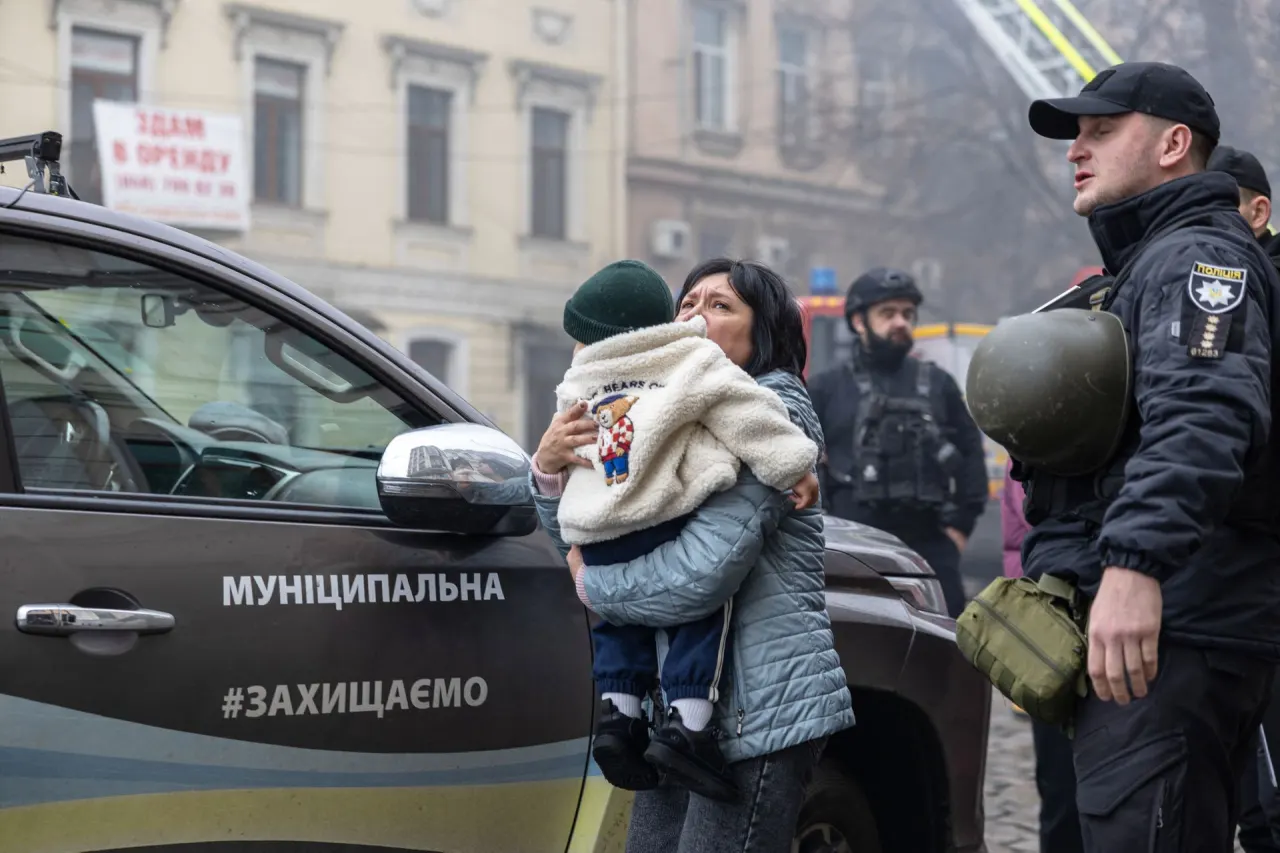
A Ukrainian police officer describes how Russia’s attacks have made ordinary routines dangerous for civilians, including children, medical workers, rescue teams and police. The personal essay argues that spreading fear beyond the front line is part of a strategy to undermine Ukrainians’ sense of safety and future in their own country.
The author says Russian drone relay stations in Belarus have helped attacks reach western Ukraine, including areas near the Polish border. In Lutsk, where air-raid sirens now sound almost hourly, a drone strike on 14 October killed six people and injured 12; police and emergency workers helped victims, documented damage and identified the dead. Among those killed were a retired couple on a shopping trip and a 35-year-old shop worker.
In short
- Russia’s attacks are making daily life perilous for Ukrainian civilians.
- A Lutsk drone strike killed six and injured 12.
- Police and emergency workers face expanded duties after attacks.
Explained simply
Since Russia launched its full-scale invasion of Ukraine in 2022, fighting has affected civilians far beyond the front line. Air attacks can threaten homes, shops and public services, while police, medical staff and rescue teams face danger as they help people and record what has happened.
Ukraine shares a border with Belarus to the north and Poland to the west. The account says drone relay stations in Belarus have helped Russian attacks reach western parts of Ukraine, including Lutsk, a city where air-raid sirens are now frequent.
The attacks matter because they disrupt daily life and can make people feel unsafe in their own communities. They also place civilians and emergency workers at risk, and raise questions about how people can maintain ordinary routines during a prolonged war.