World news and discussion on TalkFuse.
Russia pulled back from the Arctic, for now. NATO must act before those troops return
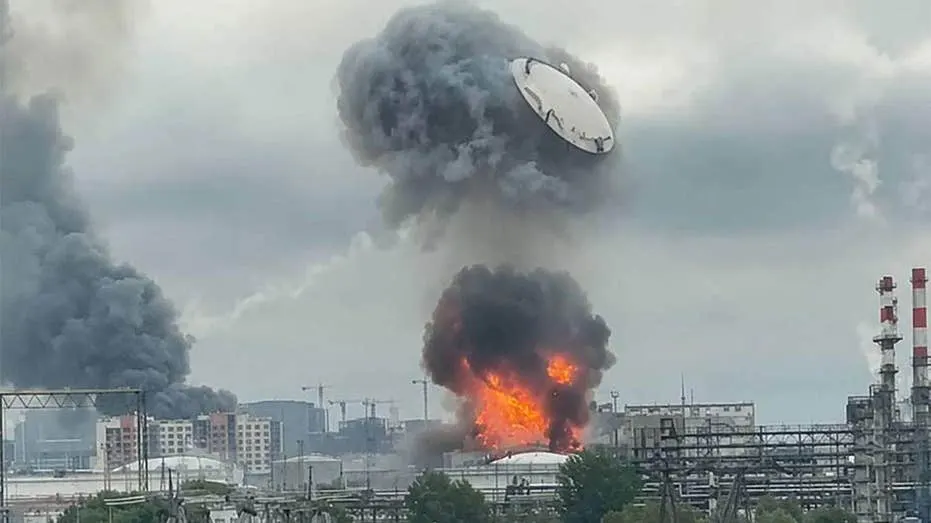
A Fox News opinion piece by a former US infantry officer argues that Russia is quietly repositioning its Arctic military forces, removing advanced air-defence systems from established northern positions while simultaneously building new barracks and depots closer to NATO members Finland and Norway. The author, drawing on satellite imagery and personal experience of Arctic warfare in Alaska, contends these seemingly contradictory moves are in fact deliberate, and warns that NATO must act now, while Russian troop levels are temporarily reduced, rather than wait for forces to return to the region in greater strength.
The piece frames the Arctic as an exceptionally punishing battlefield where logistics, fuel and infrastructure determine survival more than firepower alone, drawing on the author's own experience as a battalion and brigade operations officer in Alaska. It presents the apparent withdrawal of air-defence assets alongside new construction near the Finnish and Norwegian borders as evidence that Russian President Vladimir Putin is pursuing a longer-term strategic repositioning rather than a genuine retreat, and calls on NATO to strengthen its Arctic posture before Russian forces reconsolidate.
In short
- Russia is removing Arctic air defences but building bases near Finland, Norway
- Article argues this signals a strategic repositioning, not a retreat
- Author, a former US Arctic infantry officer, urges NATO to act pre-emptively
Steelman: both sides, in good faith
The strongest fair case each way — we don't pick a winner.
The case for
Russia's concurrent withdrawal of air-defence systems from established Arctic bases and construction of new depots closer to NATO's Finnish and Norwegian borders suggests deliberate strategic repositioning rather than genuine retreat. In the Arctic's exceptionally demanding operational environment, where logistics and fuel supply determine military capability as fundamentally as firepower, Russia's northward consolidation of forward infrastructure represents a significant strategic manoeuvre with clear territorial implications. NATO must act decisively whilst Russian Arctic forces remain reduced, establishing robust northern defences to deter Russian reconsolidation; delay risks allowing Russia to consolidate these advanced positions with overwhelming force.
The case against
Military repositioning within one's own territory frequently reflects routine operational management—logistics optimisation, cost reduction, force modernisation—rather than inherent aggressive intent, and satellite imagery alone cannot reliably establish strategic motivation without independent corroboration and context. The inference that simultaneous withdrawal and construction signals hostile repositioning is precisely the kind of threat-perception bias that can trigger escalation spirals, and NATO action based on interpretive analysis of Russian movements risks converting a window of reduced Russian presence into a new arms-competition cycle. Careful verification and measured diplomacy might achieve genuine de-escalation more effectively than military escalation undertaken in response to incomplete intelligence.
Explained simply
The Arctic, the region at the far north of the Earth, has grown strategically important to military powers as ice has retreated and new shipping routes have opened. Russia maintains significant military infrastructure in the northern Arctic, as do NATO allies including Finland and Norway, which joined NATO in recent years.
Observers have noted that Russia is restructuring its military presence in the region, removing some advanced air-defence systems from long-established bases whilst constructing new military barracks and supply depots positioned closer to the Finnish and Norwegian borders. Whilst a withdrawal of forces might seem positive, the simultaneous new construction and repositioning suggests Russia is pursuing a longer-term strategic shift rather than a genuine retreat.
In the Arctic's extreme climate, the ability to supply and sustain troops is as critical as military firepower. This has led to concerns that Russia is preparing for a longer-term reconcentration of forces in the region with a stronger logistical base, suggesting a need for NATO to strengthen its Arctic military presence before Russian forces return in greater strength.
Europe Geopolitics Politics Space Technology World