Science news and discussion on TalkFuse.
Russia, Saudi Arabia and Australia top fossil fuel export emissions rankings
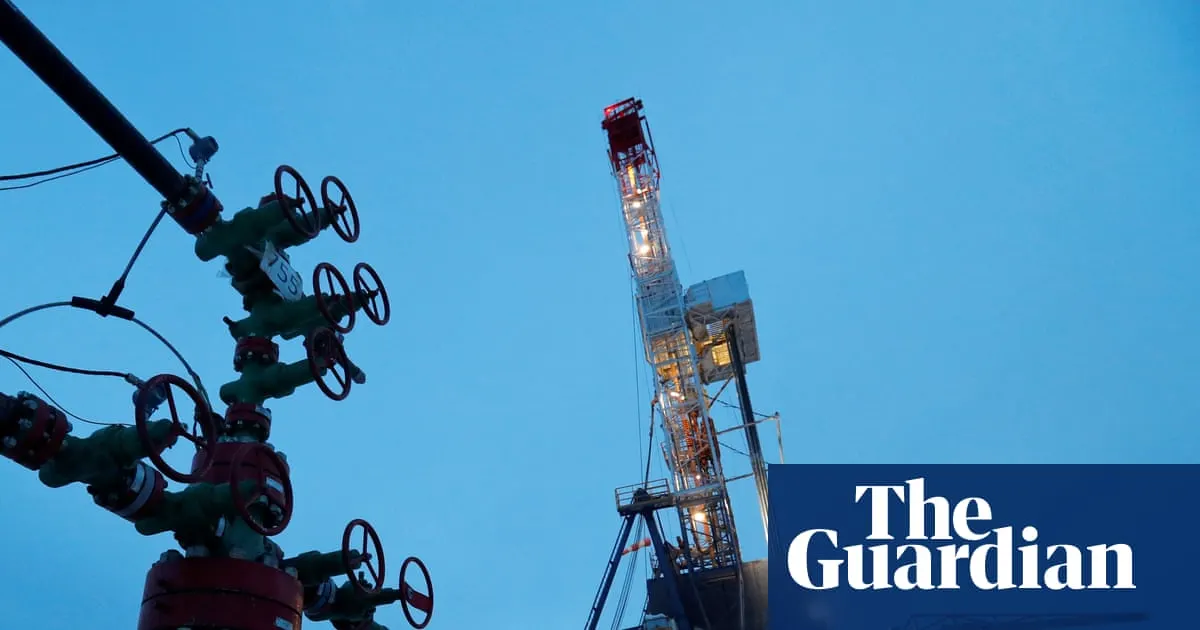
Analysis of fossil fuel exports since 1850 ranks Russia, Saudi Arabia and Australia as the countries responsible for the largest amounts of CO2 released when their exported fuels are burned. The findings highlight how counting emissions at the point of extraction shifts the picture of historical responsibility, and bring scrutiny to Australia’s role as co-president of the current UN climate summit.
By the end of 2025, Russia’s exports accounted for more than 70 gigatonnes of CO2, Saudi Arabia’s for about 60 gigatonnes, and Australia’s for more than 25 gigatonnes, slightly ahead of Venezuela. The analysis attributes emissions to the country that extracted the fuel, whereas most assessments count where it was burned; the US and China still rank higher in historical emissions overall because they have burned both domestic and imported fuels. Australia has not set an end point for fossil fuel use or exports, which account for about two-fifths of its export economy, and a summit draft calling for an immediate transition away from fossil fuels faces opposition.
In short
- Russia leads historical fossil fuel export emissions with over 70 gigatonnes of CO2.
- Saudi Arabia ranks second, followed by Australia.
- Australia’s summit role draws scrutiny over its continued fossil fuel exports.
Steelman: both sides, in good faith
The strongest fair case each way — we don't pick a winner.
The case for
Counting emissions where fossil fuels are extracted and exported recognises the responsibility of countries that profit from supplying fuels, even when combustion happens abroad. Supporters argue this measure better reflects historical contribution and gives major exporters, including Australia, a reason to address the climate impact of continued production.
The case against
Assigning combustion emissions to the exporting country can obscure the responsibility of countries that choose to import and burn the fuels, and differs from the standard accounting of emissions where they occur. Critics may also argue that rapid limits on exports could threaten jobs, public revenue and energy supplies, so transition plans should weigh these costs and account for demand from importing countries.
Explained simply
Fossil fuels such as coal, oil and gas release carbon dioxide when they are burned. Most emissions accounts assign that pollution to the country where the fuel is used, even when it was extracted elsewhere.
Counting emissions where fuels are extracted gives a different view of responsibility: it includes pollution from fuels exported for use abroad. The US and China remain among the largest historical emitters overall because they have also burned large amounts of fuel at home.
Australia exports coal and gas, which make up about two-fifths of its export economy, and has not set an end date for their use or export. Its role as co-president of the UN climate summit puts its fossil fuel policy in focus as countries debate a proposed shift away from fossil fuels.
Climate Europe Middle East Science World
Read the full article at the source →
Originally published by The Guardian as “Russia, Saudi Arabia and Australia named as biggest CO2 exporters in history”.