Culture news and discussion on TalkFuse.
Ukrainian strikes disrupt services at three Russian Yandex data centres
Developed over time first seen 2 months ago
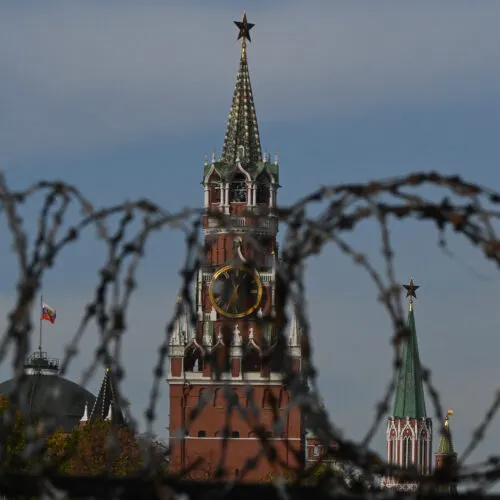
Ukrainian drone strikes on three Yandex data centres in Russia disrupted a range of digital services, prompting pro-Kremlin bloggers to warn that the country’s highly centralised digital economy is vulnerable during wartime. The attacks followed Russian strikes on Ukrainian data centres and mobile networks, which temporarily disrupted internet and mobile service for up to 100,000 households in Kyiv.
The strikes hit facilities in Sasovo on 8 October, Kaluga on 9 October and Vladimir on 11 October. The centres support services including payments, banking, email, online shopping, streaming, ride-hailing, food delivery and navigation; Yandex also provides cloud computing to major Russian companies and holds about 70 per cent of the country’s search market. Sasovo housed two Yandex supercomputers used to train its YandexGPT model, while Vladimir housed the third; the extent of damage to the computers was unclear.
- Sources
- 2
- Outlets
- 2
- Left · Centre · Right
- 0 · 1 · 0
In short
- Ukrainian strikes hit three Yandex data centres in Russia.
- Disruptions affected services from banking to food delivery.
- Russian commentators warned centralisation could be a wartime weakness.
How this story developed
- 1 month ago The attacks on Yandex facilities in Sasovo, Kaluga and Vladimir between 8 and 11 October followed earlier Russian strikes on Ukrainian data centres and telecoms infrastructure.
- 1 month ago Ukrainian drone strikes on three major Yandex data centres have disrupted payments, banking, e-commerce and streaming services, exposing the vulnerability of Russia's heavily centralised digital infrastructure.
Steelman: both sides, in good faith
The strongest fair case each way — we don't pick a winner.
The case for
Ukrainian forces argue these strikes represent justified responses to Russian attacks on Ukrainian infrastructure and necessary targeting of dual-use facilities supporting Russia's military operations and economy. As the weaker party defending against invasion, Ukraine must degrade the aggressor's capabilities; data centres hosting critical services can reasonably be considered legitimate military targets when they sustain both defence operations and the broader economy supporting the war effort. Such strikes follow the principle that nations may disrupt an adversary's infrastructure, particularly when that adversary initiated similar attacks.
The case against
International humanitarian law distinguishes between military and civilian targets, and critics contend these strikes primarily harm ordinary Russian civilians by disrupting banking, email, medical and shopping services rather than directly supporting military operations. Yandex is fundamentally a commercial enterprise serving civilians; deliberately targeting such infrastructure sets a dangerous precedent for attacking civilian systems worldwide and undermines humanitarian protections that should apply regardless of provocation. Whilst Russia's own strikes on Ukrainian infrastructure are equally problematic, escalatory tit-for-tat attacks risk normalising the erosion of civilian protections central to the laws of war.
Explained simply
Yandex is Russia's largest technology company, handling the country's search engine, email, payment systems, mapping and cloud computing services. It controls roughly 70 per cent of Russia's search market and is integral to how millions of Russians access the internet and conduct business.
Data centres are vast warehouses filled with computers and servers that store and process information for digital services. When one is damaged, it can knock out multiple services simultaneously. The recent strikes have disrupted services ranging from banking and shopping to transport and entertainment, illustrating how vulnerable digital infrastructure becomes when many critical services depend on just a few physical facilities.
Ukraine and Russia have been targeting each other's infrastructure throughout the conflict, both militarily and through cyber operations. These particular attacks fit into that broader pattern of targeting the other side's digital capabilities and economy.
Coverage · 2 sources
Art Business Celebrity Culture Economy Entertainment Europe Russia-Ukraine War World
Read the full article at the source →
Originally published by Ars Technica as “Russia was not ready for the data center war it started with Ukraine”.