World news and discussion on TalkFuse.
Russian-born conservative activist faces criminal charge after ’embarrassing’ political foe online: warrant
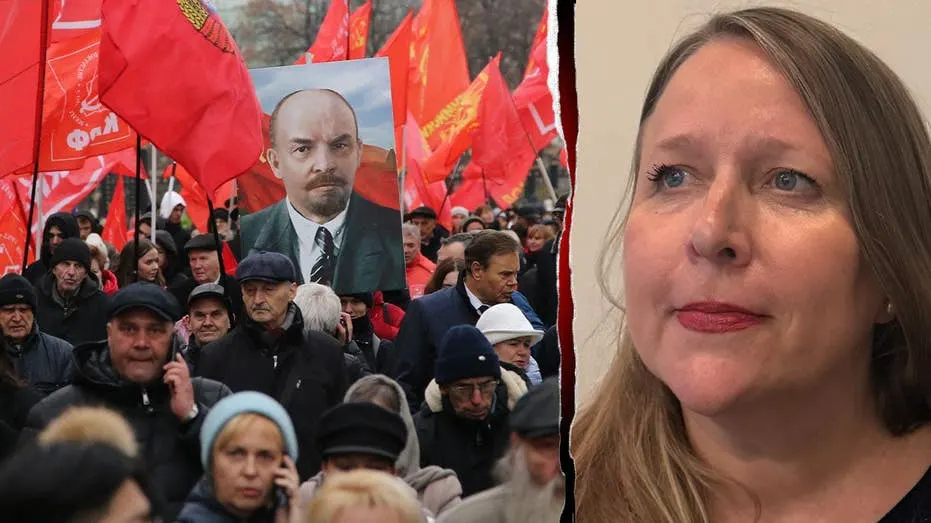
A Russian-born conservative activist in North Carolina, Liuba Wofford-Keller, says she is being targeted for her political speech after being charged with cyberstalking under state law. The charge stems from repeated online exchanges with Lisa Wells, secretary of the Moore County Democratic Party and a local precinct chair. The case raises questions about how state harassment laws apply to heated political debate on social media.
The charge relates to a warrant alleging that Wofford-Keller repeatedly posted on social media to annoy, harass or embarrass Wells, citing a statute that prohibits communications made with intent to abuse, annoy, threaten, terrify, harass or embarrass a person. Wofford-Keller, an outspoken supporter of local Republican candidates who has criticised Congressman-elect Richard Ojeda, describes the charge as reminiscent of the communist regime she fled in the Soviet Union in 1992. Wells says she presented months of screenshots and social media activity to a local magistrate judge, who found probable cause and issued criminal process. Wofford-Keller says the two women met in person only twice, both on election days, and that the rest of their contact took place online, where Wells also posted about her. Wells, who says she supports free speech, adds that her concern was a prolonged pattern of conduct affecting her sense of safety, and she is also seeking a protective order.
In short
- Russian-born Republican activist charged with cyberstalking over online exchanges
- Charge stems from a North Carolina law on communications meant to embarrass
- Accuser says conduct affected her safety; activist calls it an attack on free speech
Steelman: both sides, in good faith
The strongest fair case each way — we don't pick a winner.
The case for
Supporters of the complaint argue that state harassment laws exist precisely to protect people from sustained, targeted conduct, whether it occurs in person or online. On this view, a prolonged pattern of posts about one individual, which Wells says affected her sense of safety, is a different matter from a single heated remark, and a magistrate reviewing months of evidence found probable cause. They also contend that holding public figures and activists to a standard of basic restraint does not silence them, and that the statute's intent requirement is designed to separate persistent targeting from ordinary political criticism.
The case against
Critics of the charge argue that political debate is among the most protected forms of speech, and that the statute's wording, which covers intent to annoy or embarrass, is broad enough to reach ordinary partisan sparring. They point out that the two women's contact was largely reciprocal and online, that Wells also posted about Wofford-Keller, and that a probable cause finding rests on one party's material presented without a full contest of the evidence. On this view, criminalising conduct that is primarily meant to embarrass a political opponent risks chilling robust speech and could be applied unevenly, particularly in polarised local politics.
Explained simply
A criminal case in North Carolina is testing where heated online political arguments end and unlawful harassment begins. Liuba Wofford-Keller, a conservative activist born in Russia, has been charged with cyberstalking under a state law that covers communications made to annoy, harass or embarrass another person. The charge stems from a long series of social media exchanges with Lisa Wells, the secretary of the Moore County Democratic Party and a local precinct chair.
Wofford-Keller is an outspoken supporter of local Republican candidates and has criticised Richard Ojeda, who has been elected to Congress. She says the charge is an attack on her right to speak out, and she compares it to the communist regime she fled in the Soviet Union in 1992. Wells, who says she supports free speech, presented months of screenshots and posts to a local magistrate, who found grounds to issue criminal process.
The two women's accounts differ over how much direct contact they have had. Wofford-Keller says they met in person only twice, both on election days, and that most of their contact took place online, where Wells also posted about her. Wells says her concern is a prolonged pattern of conduct that has affected her sense of safety, and she is also seeking a protective order.