Russian diesel tankers close in on US ports as Trump, Putin deal triggers legal showdown
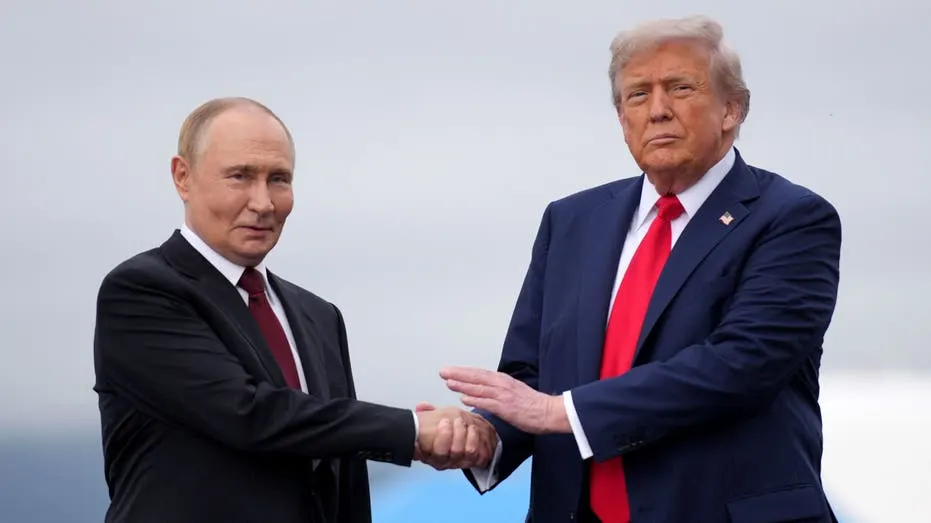
Three tankers carrying Russian diesel are heading for US ports, with a fourth expected to depart, under a temporary arrangement agreed by Donald Trump and Vladimir Putin. The shipments have prompted a legal and political dispute over whether the administration can authorise imports despite a 2022 law banning Russian energy products.
The cargoes total about 140,000 metric tons and are intended to help ease fuel prices amid supply disruptions linked to the war with Iran and Ukrainian strikes on Russian refineries. A former Treasury sanctions official says the administration can license specific shipments without removing the underlying ban; Senator Richard Blumenthal disputes that view and has asked two shipping companies to recall vessels and provide information by 31 October. At least two ships are reported to be under Western sanctions, and the named tankers are expected to reach the US East Coast between 7 and 11 November.
In short
- Three tankers are carrying Russian diesel towards US ports.
- The shipments total about 140,000 metric tons.
- Lawmakers dispute the administration’s authority to approve them.
Steelman: both sides, in good faith
The strongest fair case each way — we don't pick a winner.
The case for
The administration’s strongest case is that a narrow, temporary licence can address an immediate fuel supply problem without repealing or weakening the general ban on Russian energy imports. If the law gives officials authority to license specific transactions, permitting these cargoes could ease prices while keeping the broader sanctions framework in place.
The case against
The strongest case against the shipments is that the 2022 ban may leave no lawful route for importing Russian energy, so an executive licence could exceed the administration’s authority. Allowing cargoes—especially when some vessels are reportedly under Western sanctions—could also weaken the credibility of sanctions and invite further exceptions, while Congress and the public lack clear assurance that the arrangement is properly limited.
Americas Business Europe Government Markets Politics World