World news and discussion on TalkFuse.
Royal Navy to expand 10-country maritime drone initiative amid rising Russian activity
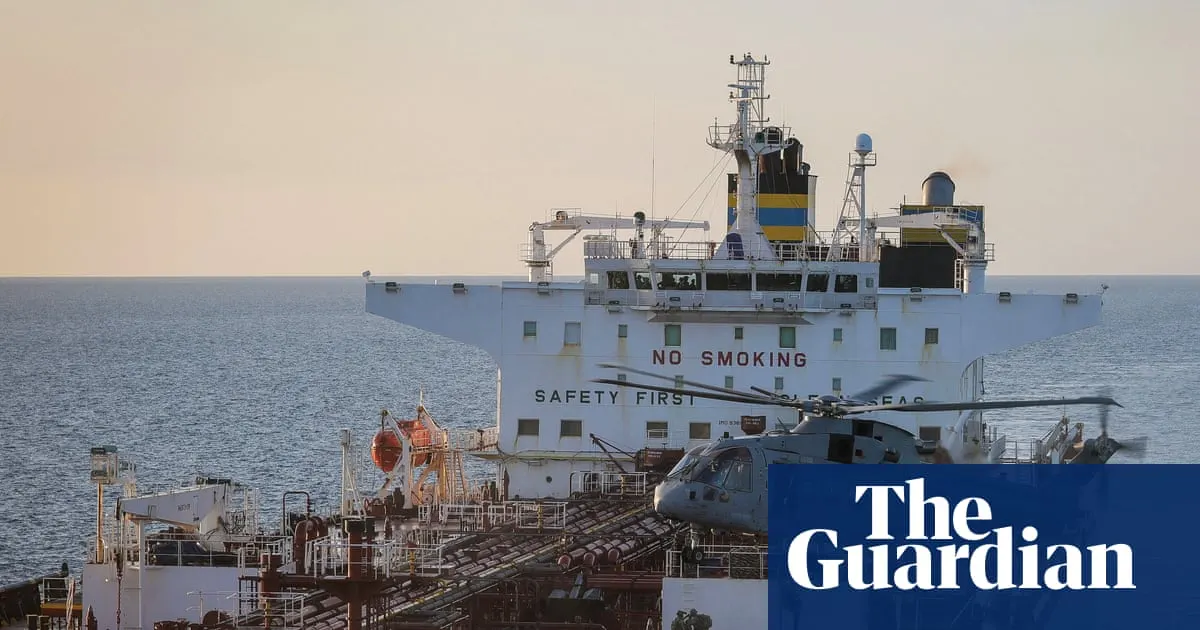
British defence minister Luke Pollard says Russian naval activity around the UK rose by 41% in the first nine months of the year. In response, the Royal Navy plans to expand a 10-country maritime initiative, combining sea drones and allied warships to strengthen surveillance and defence as the UK’s available fleet shrinks.
The initiative involves the UK, the Netherlands and Baltic and Nordic countries, whose drones are intended to work with one another’s warships. The number of British frigates could fall from 12 in 2021 to three by 2030, while a recent parliamentary committee warned of gaps in ships and submarines. The UK has committed £1.5bn to sea drones over four years and will spend a further £90m on underwater drones and sensors to monitor the Greenland-Iceland-UK gap.
In short
- Russian naval activity around the UK rose 41%.
- Ten countries plan to link sea drones and warships.
- The UK will spend £90m monitoring a key submarine route.
Steelman: both sides, in good faith
The strongest fair case each way — we don't pick a winner.
The case for
Supporters argue that closer cooperation with allied navies and investment in sea drones can improve surveillance and deterrence as Russian activity increases and the UK’s fleet contracts. Shared systems may help countries cover more waters and detect threats sooner, while protecting crews from some dangerous tasks.
The case against
Sceptics may question whether drones and multinational coordination can make up for a shrinking number of capable ships and submarines, particularly in a serious or fast-moving crisis. They may also argue that the spending should prioritise restoring conventional fleet capacity, and that the reported rise in Russian activity needs context before it is used to justify a larger programme.
Europe Government Politics UK World
Read the full article at the source →
Originally published by The Guardian as “Russian naval aggression prompts new defensive initiative with ‘beer-drinking nations’”.