World news and discussion on TalkFuse.
Russian drone prompts Polish air defences days after earlier incursion
Developing story first seen 13 hours ago
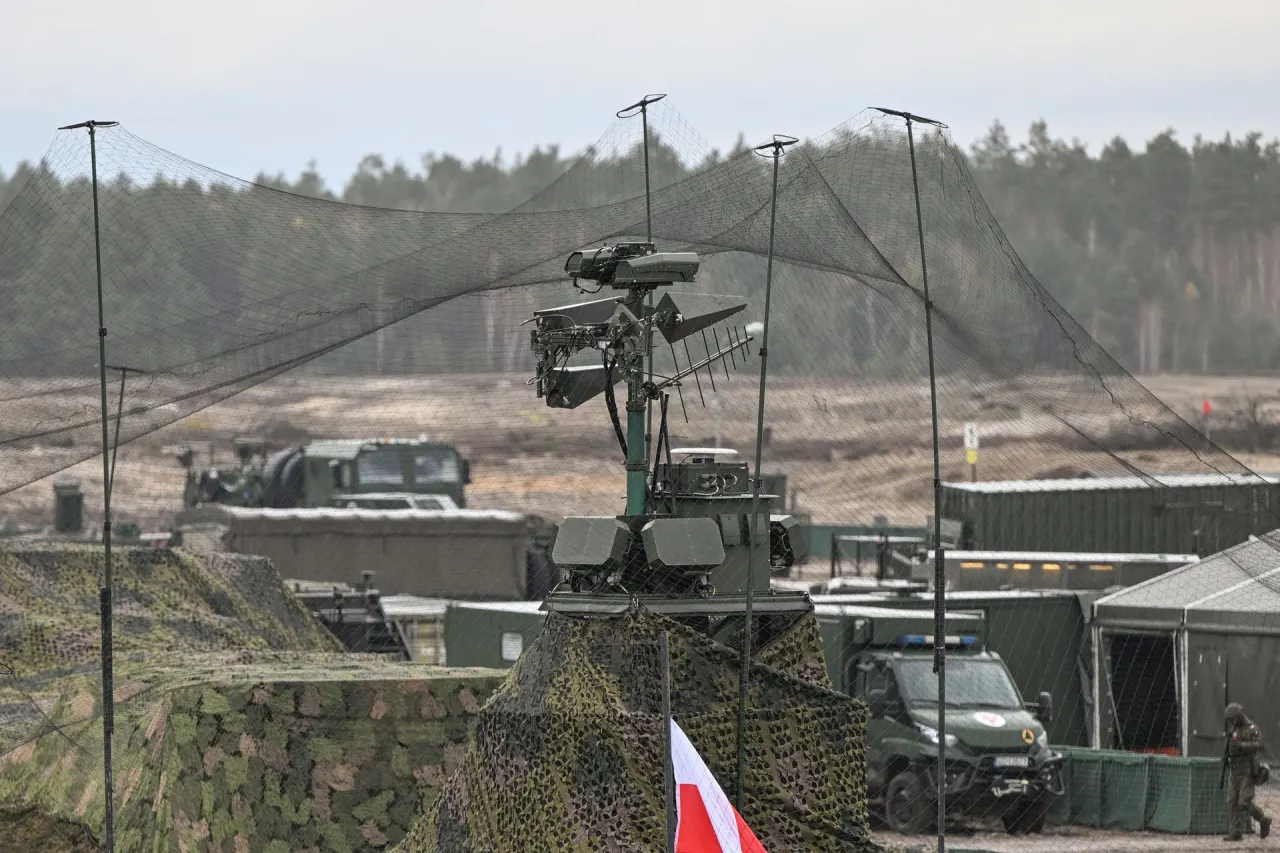
A Russian drone or missile briefly entered Polish airspace on 22 November during an attack on western Ukraine, prompting Poland to activate its air defences. The incident came only three days after Russian missiles and another unidentified object fell in eastern Poland, renewing concerns about the spillover of Russia’s war and tensions with NATO.
Poland issued an air-attack alert in parts of the Lublin region at about 11pm, ending it roughly an hour later. Its forces tracked the object and were authorised to shoot it down, but let it leave after it turned east because of the risk of damage on the ground; Moldova and Finland had also reported separate suspected Russian airspace violations on 21 November.
- Sources
- 2
- Outlets
- 2
- Left · Centre · Right
- 1 · 0 · 0
In short
- A Russian object briefly entered Polish airspace during an attack on Ukraine.
- Poland tracked it but let it leave to avoid damage from a shootdown.
- The incident followed recent reports of airspace violations in Poland, Moldova and Finland.
How this story developed
- 5 hours ago NATO chief Mark Rutte condemned Russia’s attacks, while US President Donald Trump had earlier described incursions into Poland as accidental; Polish forces let the object leave after it turned east, citing the risk of damage on the ground.
- 5 hours ago Poland said it had tracked an object that briefly crossed into its airspace on 22 November during a Russian attack on western Ukraine, activating air defences and an alert in parts of the Lublin region.
Steelman: both sides, in good faith
The strongest fair case each way — we don't pick a winner.
The case for
Poland’s decision to track the object and let it leave can be defended as a measured response: officials judged that shooting it down might cause damage, while an immediate threat to people or infrastructure was not established. Avoiding an unnecessary escalation with Russia, while keeping air defences alert, may protect civilians and preserve room for a careful investigation.
The case against
Allowing an unidentified object linked to a Russian attack to cross Polish airspace without interception may be seen as a failure to enforce the country’s borders and deter further incursions. From this perspective, a restrained response could invite repeated tests of NATO’s resolve and leave people exposed to the risks of future objects that are more dangerous or do not turn back.
Explained simply
Poland borders Ukraine and is a member of NATO, the alliance in which an attack on one member can prompt a response from all. Russia’s full-scale invasion of Ukraine has brought fighting close to Poland’s border, and Russian attacks have sometimes involved objects entering neighbouring countries’ airspace.
Poland’s armed forces monitor and defend the country’s airspace, while NATO members share responsibility for the alliance’s security. An unidentified object can be difficult to assess quickly, and a decision to intercept it must weigh the risk of letting it continue against the danger of debris or damage if it is shot down.
Such incidents matter because they can raise tensions between Russia and NATO, even when the object’s identity or purpose is uncertain. They also test how countries communicate and respond to possible threats near the alliance’s borders.
Coverage · 2 sources
Europe Government Politics World
Read the full article at the source →
Originally published by Kyiv Independent as “Russian unmanned aerial vehicle violates Polish airspace days after missile incursion”.