World news and discussion on TalkFuse.
Russian warships being ‘worked to death’ as they are forced to spend longer at sea to protect Putin’s decrepit fleet of sanctioned oil tankers
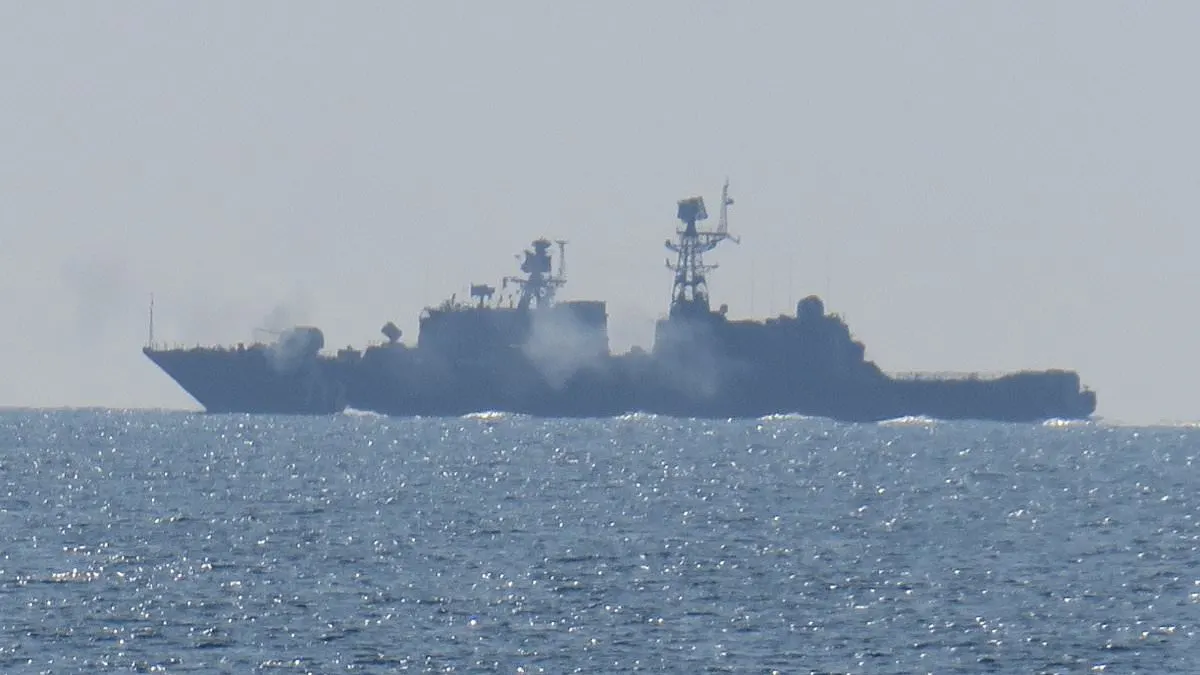
Nato officials say Russia is keeping its warships at sea for longer to guard sanctioned oil tankers, delaying repairs and maintenance. They say the strain is weakening the Baltic fleet and lowering crew morale, as Nato increases its presence in the region.
The article reports that Nato has more than 30 vessels taking part in Baltic Sentry, compared with about four Russian vessels there. Russia is believed to have more than 700 ships in its shadow fleet, while the UK says it has sanctioned over 500; the article also says Russian vessels near the UK rose by 41 per cent in the first nine months of 2026 compared with the same period in 2025. A Russian frigate, the Neustrashimy, is reported to escort tankers, and it allegedly suffered minor damage after colliding with a Russian oiler during a refuelling operation.
In short
- Nato says Russia’s Baltic fleet is under growing strain.
- Russian warships are spending longer at sea to escort tankers.
- The UK says it has sanctioned more than 500 shadow fleet vessels.
Steelman: both sides, in good faith
The strongest fair case each way — we don't pick a winner.
The case for
Supporters of Nato’s increased presence could argue that escorting sanctioned tankers diverts Russian warships from maintenance, strains crews and raises the risk of accidents, while a visible allied presence helps protect shipping and deter disruption in the Baltic. They may see enforcement of sanctions and reassurance of regional allies as worth the added pressure on Russia’s fleet.
The case against
Critics could argue that describing Russia’s fleet as being “worked to death” relies heavily on Nato assessments and may overstate what the reported figures establish about readiness or morale. They may also view increased Nato deployments as adding to military tension, while arguing that Russia’s use of warships to protect its shipping reflects its own security and economic interests.
Explained simply
Since Russia’s full-scale invasion of Ukraine, the UK and other countries have imposed sanctions on Russian oil exports. Some tankers still carry Russian oil through a loosely organised network often called the “shadow fleet”; sanctions can restrict their access to services such as insurance and port facilities.
Russia’s Baltic Fleet is based near the Baltic Sea, where its ships operate close to Nato members. Nato is a defence alliance that includes the UK and several countries bordering the sea, and it has increased patrols there. Warships used to escort tankers have less time for maintenance, while the activity raises questions about maritime security and how sanctions are enforced.
Europe Geopolitics Politics World