Russia’s strikes near Moldova raise alarm over Putin’s plans for Europe’s eastern flank
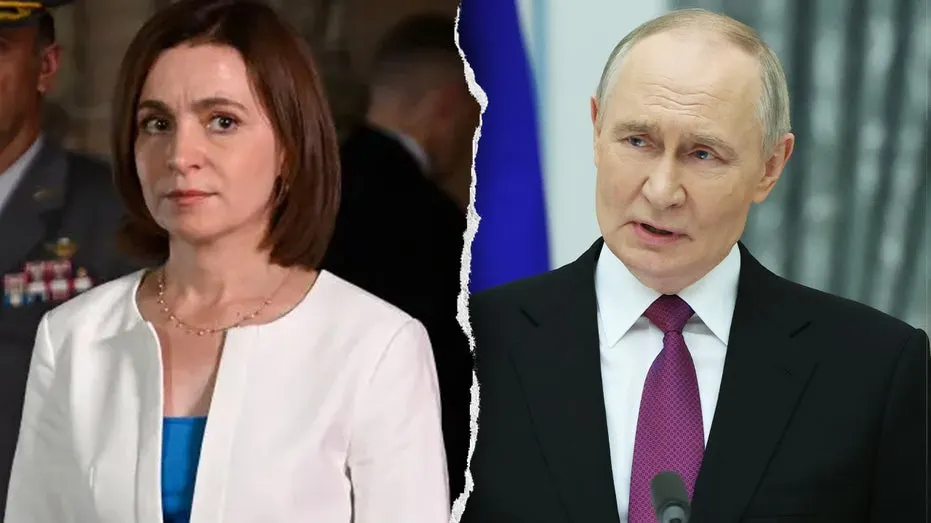
Moldova, which recently marked 35 years of independence, is facing escalating pressure from Russia as the war in neighbouring Ukraine edges closer to its borders. Officials say Moscow has struck Ukrainian border infrastructure near Moldova and repeatedly violated Moldovan airspace, moves seen as attempts to intimidate the country into scaling back its support for Ukraine and to disrupt vital trade corridors, particularly grain exports rerouted through Moldova to Romanian ports.
According to national security adviser Stanislav Secrieru, Russia violated Moldovan airspace 17 times in August, the highest monthly total since the full-scale invasion began in February 2022, including five drone incursions just hours before independence celebrations. President Maia Sandu and Ukrainian President Volodymyr Zelenskyy, who attended Chișinău's Independence Day events, both condemned the actions, while analysts warned the incidents fit a broader pattern of Russian hybrid warfare designed to test European resolve. The tensions coincide with both Moldova and Ukraine's stalled bids for EU membership and follow a surprise visit by CIA Director John Ratcliffe to Moscow, fuelling speculation about wider Russian ambitions towards NATO's eastern flank.
In short
- Russia intensified airspace violations and border strikes near Moldova in August
- Moves seen as intimidation over Moldova's support for Ukraine's trade routes
- Comes amid fears Russia may target NATO's eastern flank next
Steelman: both sides, in good faith
The strongest fair case each way — we don't pick a winner.
The case for
A strong case is that repeated airspace violations and strikes near Moldova are deliberate pressure tactics, intended to frighten civilians, constrain support for Ukraine and threaten trade routes that have become strategically important. On this view, treating the incidents as part of a wider campaign to test European resolve is prudent, especially given Moldova’s exposure and the uncertainty surrounding its security and EU prospects.
The case against
A cautious case is that the reported incursions and nearby strikes, though serious, do not by themselves establish a plan to intimidate Moldova or pursue wider ambitions against NATO’s eastern flank. They may reflect the spillover and operational risks of the war in Ukraine, while claims about Moscow’s intentions remain interpretations; responding as if a broader confrontation were established could intensify tensions without clarifying the evidence.
Explained simply
Moldova is a small country between Ukraine and Romania that became independent as the Soviet Union broke up in 1991. Russia’s war against Ukraine has brought fighting and disruption close to Moldova’s borders, while some Ukrainian trade, including grain exports, now travels through Moldova towards Romanian ports.
Moldovan President Maia Sandu’s government supports Ukraine and wants Moldova to join the European Union. Ukraine also seeks EU membership; neither country has completed the process. Russia maintains influence in the breakaway region of Transnistria, where Russian troops have been stationed for decades.
The border incidents matter because Moldova is not a member of NATO, the alliance that includes Romania, and has limited ability to defend its airspace. They have raised concern among Moldovan and European officials about pressure on the country and the security of trade routes near the EU’s eastern edge.
Business Europe Government Markets Politics World