Rust’s New Force Wipe Update Includes Major Game Changes
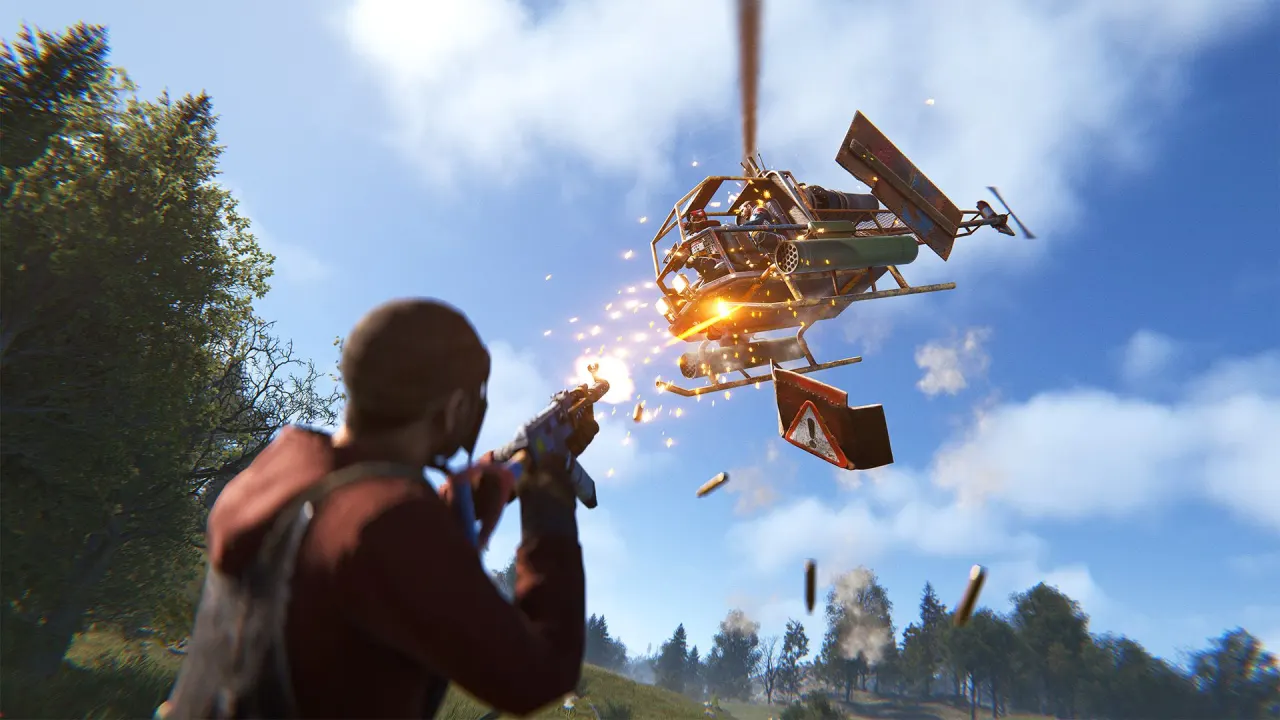
Rust developer Facepunch has released its September force wipe update, titled "Breach and Clear," which introduces changes aimed at making the game's early hours tougher for large clans while easing pressure on solo players. The monthly force wipe resets player progress, and this update specifically targets the problem of big groups monopolising monuments and blueprints in the opening days, which typically leaves smaller players "prim-locked" and unable to progress.
Key changes include new blockers on red keycard puzzle rooms, some requiring jackhammers to break through, which decay after 24 hours of unused upkeep, and a scaling Tool Cupboard upkeep tax for larger bases, rising from 2% at six players to a maximum of 300%, calculated to prevent teams from dodging the fee via deauthorisation. High-quality metal ore can now be harvested directly from nodes to help clans manage costs, and Outpost drones now require island-wide electricity, tying into August's Power Trip update. The store also gained a new Crystal Assault Rifle DLC priced at $6.99, while the Battle Pass system has reportedly been discontinued.
In short
- Rust's September force wipe, "Breach and Clear," targets clan dominance early in wipes.
- New puzzle room blockers and scaling Tool Cupboard upkeep taxes added for larger groups.
- Crystal Assault Rifle DLC released for $6.99; Battle Pass system removed.
Steelman: both sides, in good faith
The strongest fair case each way — we don't pick a winner.
The case for
The changes can be defended as a way to make early wipe progression more accessible and competitive. Limiting rapid access to keycard rooms and scaling upkeep with group size may curb large clans’ ability to dominate monuments and blueprints, giving solo players and smaller teams a fairer chance to establish themselves.
The case against
The changes can be criticised as adding friction and costs for larger groups, even though playing in a clan already involves coordination and resource demands. Higher upkeep and extra barriers at puzzle rooms may make progression feel more cumbersome for everyone, while the electricity requirement for Outpost drones could reduce convenience without directly addressing early monopolisation.
Explained simply
Rust is an online survival game where players gather resources, build bases and compete with other groups. Each month, a force wipe clears progress, including bases and research, so everyone starts again.
Facepunch makes Rust. Players often work alone or in groups, and large teams can gather resources and control key locations quickly after a reset. That can make it harder for solo players and smaller groups to find equipment and learn blueprints.
The update changes how players access some monument puzzles and how much upkeep larger bases require. These systems matter because they shape how quickly different groups can establish themselves after each reset.