Ryanair warns air fares in Europe will jump next year if oil price stays high
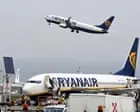
Ryanair has warned that European short-haul air fares could rise significantly next year if oil prices remain elevated, cautioning that some rival carriers with weaker fuel hedging may struggle to survive the coming winter. The Irish budget airline has trimmed its passenger target for the year to 31 March from 216 million to 214 million in an effort to limit its exposure to costly "unhedged winter oil" during the traditionally loss-making off-season, as jet fuel currently trades at $140 a barrel.
Ryanair expects the reduced winter schedule to cut its seasonal losses by €70m to €100m, and because it has already hedged 80% of its jet fuel at $67 a barrel, it still anticipates a profitable year overall, though below last year's record. Brent crude touched $97.04 a barrel this week, its highest since late July, amid renewed US-Iran tensions, before easing to just below $95. Ryanair still expects summer passenger numbers to grow more than 5%, from 138 million to 145 million, with fares drifting modestly lower between August and September, while rival Wizz Air reported a 25.9% jump in monthly passengers driven by expanded capacity.
In short
- Ryanair warns fares may rise sharply in 2027 if oil stays high
- Airline cuts winter passenger target to limit fuel cost exposure
- Hedging keeps Ryanair profitable despite record profits declining
Steelman: both sides, in good faith
The strongest fair case each way — we don't pick a winner.
The case for
If oil prices stay high, airlines may need to raise fares to cover fuel costs, and Ryanair argues that carriers with limited fuel hedging could face particular strain through the loss-making winter season. Cutting some winter capacity may help protect the business and preserve its ability to offer flights over the longer term.
The case against
Higher fares and reduced winter schedules could make air travel less affordable and limit choice, while passing fuel costs on to passengers may weaken demand. The outlook is also uncertain: Ryanair has hedged much of its fuel, expects summer passenger growth, and Wizz Air’s recent traffic increase suggests some carriers may still be expanding.
Explained simply
Airlines buy jet fuel to fly their planes, and fuel is one of their largest costs. Oil prices can change quickly, while airlines may protect themselves by agreeing in advance to buy some fuel at a set price, a practice called hedging.
Ryanair is an Irish budget airline that mainly flies short routes around Europe. Its busiest travel months are usually more profitable than winter, when fewer people fly; other low-cost carriers, including Wizz Air, compete for many of the same passengers.
Higher fuel costs can put pressure on airlines’ finances and affect how many flights they offer or what they charge. The impact varies between carriers, depending in part on how much fuel they have secured at fixed prices and how well they can manage other costs.
Business Europe Software Technology World