Culture news and discussion on TalkFuse.
Saariaho’s Adriana Mater transcends horror for hope. Female composers are rejecting opera’s legacy of violence | Annilese Miskimmon
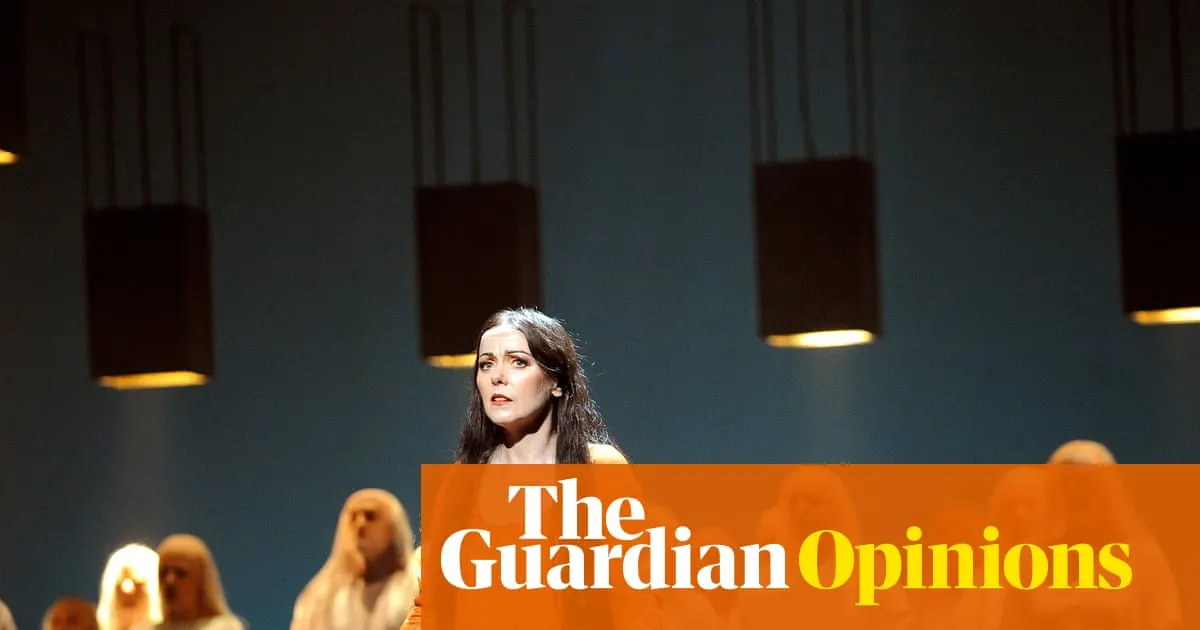
Kaija Saariaho’s opera *Adriana Mater* depicts rape and the aftermath of civil war, but its central message is that choosing not to pursue revenge can create hope and reconciliation. The article argues that Saariaho and other contemporary female composers are confronting violence in opera to connect the form with present-day issues, while challenging a tradition that has often relied on women’s suffering.
Set during a civil war, the opera follows Adriana as she raises her son Yonas without telling him that Tsargo, his father, raped her. When Yonas learns the truth, he cannot bring himself to kill his now old and blind father, and Adriana tells him that although they are not avenged, they are saved. Saariaho’s second opera was initially less warmly received than her debut, but a recent recording by Esa-Pekka Salonen won both the Gramophone and Grammy opera recording of the year. The article also cites Du Yun’s *Angel’s Bone* and Missy Mazzoli’s *Breaking the Waves* as works engaging with difficult contemporary themes.
In short
- *Adriana Mater* turns a story of rape and civil conflict towards reconciliation.
- Saariaho’s opera is gaining renewed recognition.
- Female composers are using opera to confront modern violence.