Saber Interactive retains writer but uses AI for passenger dialogue
Developing story first seen 2 hours ago
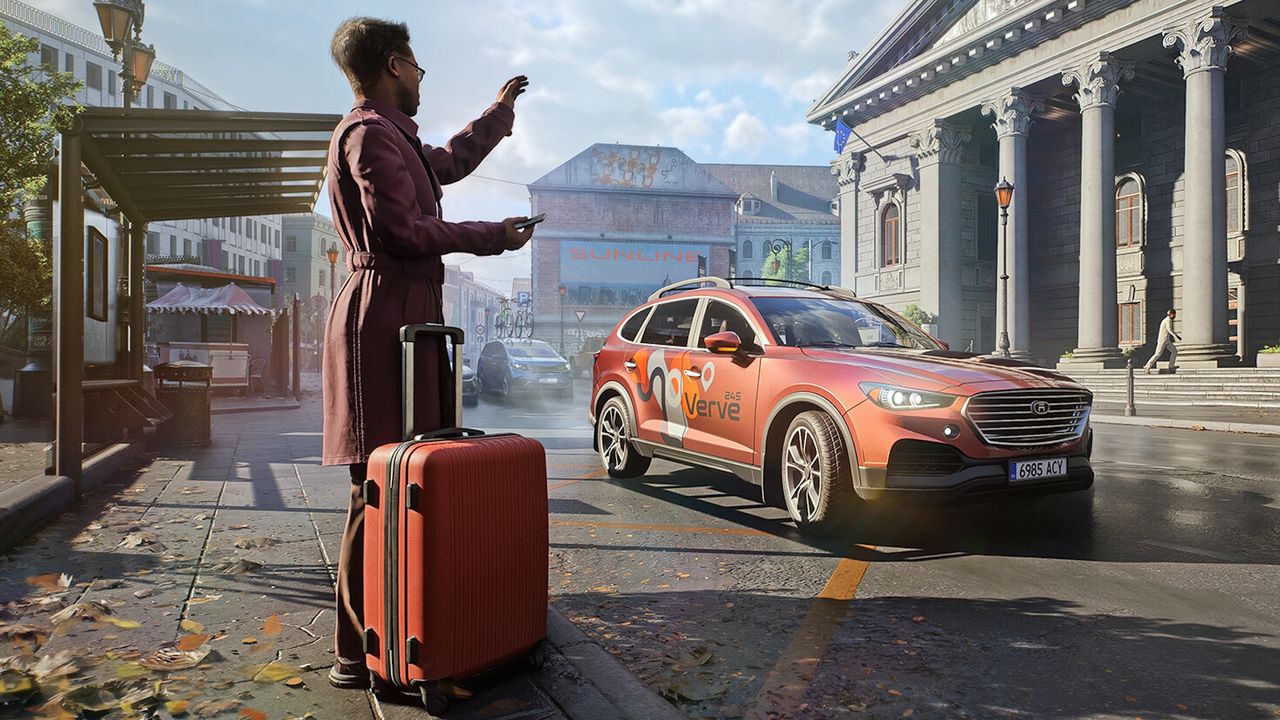
Saber Interactive has responded to fresh backlash by insisting a human writer was not replaced with ChatGPT on its upcoming driving game, while confirming that AI will nonetheless be used to generate in-game dialogue. The studio's justification centres on scale: it says the game can generate an "infinite" number of passenger characters, making AI-written dialogue a practical necessity that a human writer could not feasibly produce alone. The row highlights the gaming industry's continued unease over generative AI encroaching on creative writing roles.
New coverage adds detail to Saber's defence, with the studio stressing that its human writer remains responsible for the game's core scripted content and narrative, while AI is confined to generating variable, one-off dialogue for the game's procedurally generated passengers. Saber has not disclosed further specifics on staffing levels or how much of the final script involves AI-generated text, leaving questions about the balance between human and machine-written content only partly addressed.
- Saber Interactive denies replacing a writer with ChatGPT
- AI will generate dialogue for "infinite" passenger characters
- Studio says human writer still handles core narrative content
New here? Start with this
Saber Interactive is a video game studio best known for titles like World War Z and its work on the recent Space Marine games. It is currently developing a new driving game, and questions have arisen over how much of the game's writing was done by artificial intelligence rather than human staff, echoing a wider debate across the games industry about AI's growing role in creative work.
The row stems from online speculation, with some observers suspecting that AI tools such as ChatGPT had been used in place of a human writer on the project. This kind of accusation matters because many writers, actors and developers have raised concerns that generative AI could be used to cut costs or replace creative jobs, making it a contentious issue whenever a studio's use of the technology comes under scrutiny.
Driving games of this kind often include non-player characters, such as passengers, who deliver short lines of dialogue during gameplay. Because such games can generate a very large, effectively open-ended number of these characters, studios sometimes turn to automated tools to produce varied dialogue at a scale that would be difficult to write by hand alone.
Both sides, in good faith
The strongest fair case each way — we don't pick a winner.
The case for
Advocates of the studio's approach argue that generating dialogue for what is described as an effectively infinite roster of passenger characters is a genuinely different problem from writing a handful of named leads, and that no human writing team could feasibly script that much bespoke content without either heavy repetition or an unsustainable budget. On this view, using AI for this specific, high-volume task is a sensible allocation of resources that frees human writers to focus their craft on the game's core narrative, characters and structure, where their skill matters most. They would add that transparency about the tool's use, rather than concealment, should be credited rather than treated with automatic suspicion.
The case against
Sceptics and industry advocates counter that framing AI dialogue generation as merely filling an 'infinite' gap risks understating how such tools can quietly narrow opportunities for writers, particularly for the kind of incidental or ambient dialogue work that has traditionally been a way into the industry for newer talent. They point to a pattern across creative industries of AI being introduced first for 'impractical to do manually' tasks and gradually expanding, and argue that studios owe workers and players clearer detail on staffing, credit and creative oversight before public trust in such assurances can be taken at face value. For them, the underlying concern is not this one game but the precedent it sets for how creative labour is valued.
More coverage
AI Entertainment Gaming Technology
Read the full article at the source →
Originally published by PC Gamer as “Saber Interactive denies replacing writer with ChatGPT on its new driving game, but says it will use AI for dialog ‘as the number of passengers in the game is infinite’”.