Politics news and discussion on TalkFuse.
Sacramento mayor fined $29K for using campaign cash to pay for jewelry, meals in Hawaii and family’s phone bills
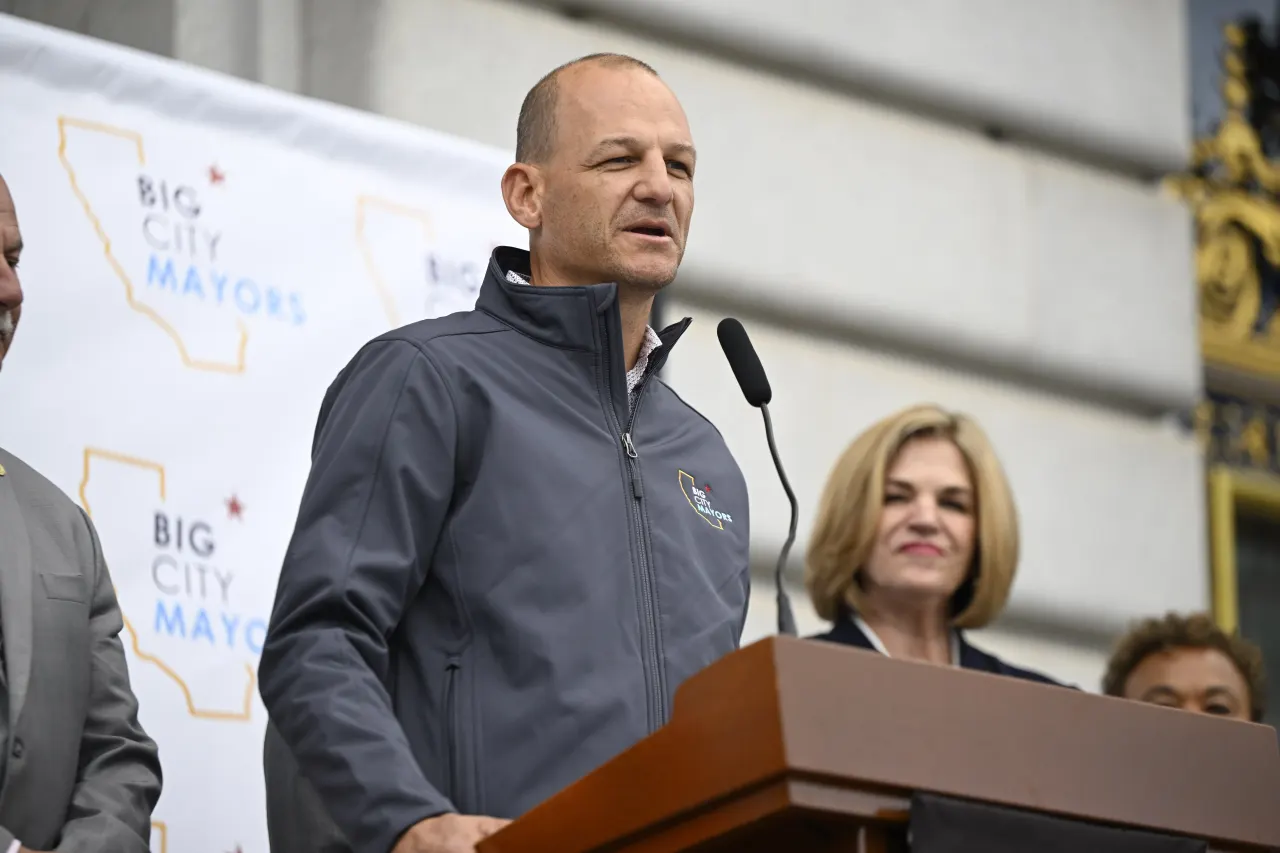
Sacramento Mayor Kevin McCarty has agreed to pay a $29,500 fine to settle eight campaign finance violations involving his former state Assembly campaigns and his 2024 mayoral committee. The case matters because regulators found campaign money was used for some personal or improperly documented expenses, and required disclosures and records were missing.
The largest penalty, $10,000, concerned more than $10,000 spent on phones and an iPad from 2019 to 2022, including over $2,100 in phone expenses for McCarty’s wife and children. Regulators also cited nearly $4,000 in purchases including jewellery, clothing and meals; at least $70,000 across 179 expenditures without required receipts; the unreported transfer of two paintings worth $5,500; and a mailer sent to about 60,000 voters without the required payer disclosure. McCarty said the errors were not intentional, that expenses were reimbursed, and that he had paid the fine.
In short
- Kevin McCarty agreed to pay a $29,500 campaign finance fine.
- Eight violations involved spending, missing records and disclosures.
- McCarty said the errors were unintentional and the fine is paid.
Steelman: both sides, in good faith
The strongest fair case each way — we don't pick a winner.
The case for
Campaign funds are entrusted for political activity, so using them for family phone bills, personal purchases or expenses without receipts can undermine public trust and make it harder to verify how donations were spent. The fine and disclosure requirements reinforce accountability, even when the violations are described as unintentional.
The case against
A fair assessment should distinguish poor record-keeping or mistaken expense decisions from deliberate misuse: McCarty said the errors were not intentional and that expenses were reimbursed. Settling the case and paying the fine may resolve the regulatory matter without establishing that he intended to deceive donors or voters.