‘Safe Exit’ Director Mohammed Hammad on Staying True to His Vision: ‘I Need to Be Free as a Filmmaker’
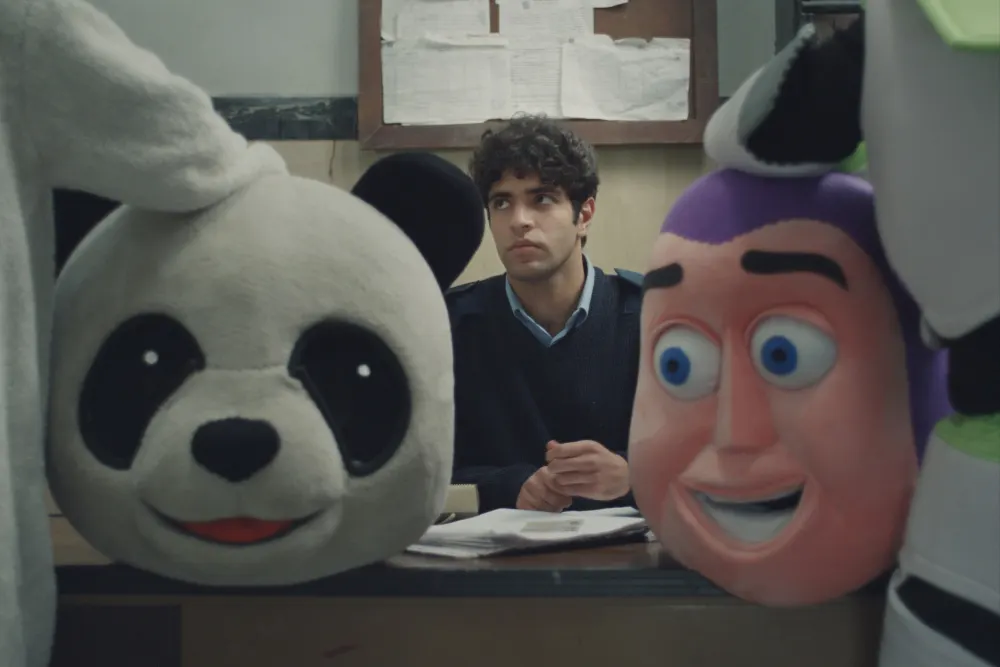
Mohammed Hammad’s independently made film “Safe Exit” is set for its Egyptian premiere at the El Gouna Film Festival, where it is competing in the Feature Narrative section. Hammad says making the film required self-funding and difficult negotiations over filming permissions, reflecting the challenges faced by independent filmmakers in Egypt.
After his debut “Withered Green”, Hammad spent four years developing “Bullets & Bread”, but the project was rejected by censors. He later wrote “Safe Exit” in about a year, with support from producer Kholoud Saad and co-producers Dora Bouchoucha and Ibrahim El-Battout. Egyptian authorities have permitted festival screenings, and Hammad says creative freedom and the chance to show the film in his home country matter to him and his cast and crew.
- Hammad self-funded “Safe Exit” after studios avoided the project.
- The film will have its Egyptian premiere at El Gouna.
- A previous project was halted after censorship rejection.
Both sides, in good faith
The strongest fair case each way — we don't pick a winner.
The case for
Independent filmmakers should be able to pursue their artistic vision and tell stories without undue state control; censorship can narrow cultural debate and make it harder for new voices to reach audiences. Showing Safe Exit in Egypt, despite the obstacles to making it, may also give local viewers and the film’s collaborators a meaningful chance to engage with the work.
The case against
Authorities may argue that film regulation serves legitimate public interests, such as enforcing locally established standards and maintaining social order, and that screening decisions should follow a consistent process. From this perspective, restrictions on a project need not deny filmmakers’ value, though the rules should be clear and applied fairly.