Entertainment news and discussion on TalkFuse.
SAG-AFTRA Drops Thousands of Members for Not Paying Dues as Internal Tensions Rise
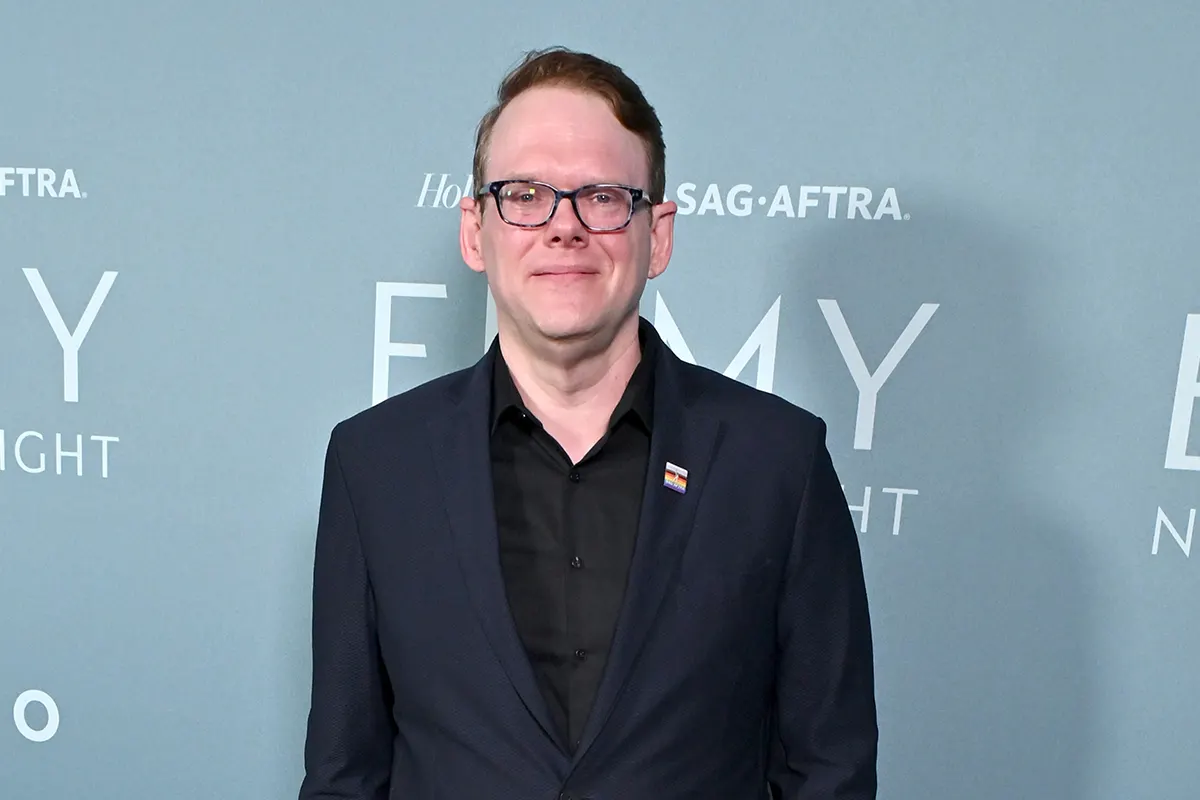
SAG-AFTRA has ended a six-year pause on removing members who fall at least 18 months behind on dues, terminating thousands from 1 November. The move has intensified discontent among actors already facing scarce work, while a recent 15% pay rise for the union’s chief executive has prompted criticism over its timing.
Members pay 1.575% of covered earnings, or annual base dues of $246 when not working. Actor Colton Little said he owes about $2,000 after falling behind while prioritising rent; another member, Taji Coleman, resolved her dues issue after being threatened with termination. Union president Sean Astin defended extending national executive director Duncan Crabtree-Ireland’s contract for four years, while critics have raised broader concerns about leadership, transparency and member benefits.
In short
- SAG-AFTRA terminated thousands over unpaid dues from 1 November.
- The union had paused terminations for six years.
- Its chief executive’s 15% pay rise has fuelled criticism.
Steelman: both sides, in good faith
The strongest fair case each way — we don't pick a winner.
The case for
The union can argue that collecting dues consistently is necessary to fund collective bargaining, member services and the organisation’s long-term stability. After a six-year pause, resuming removals for members deeply in arrears may be seen as applying established rules fairly, while the pay rise for its chief executive could reflect a contract decision made on its own merits.
The case against
Members can argue that terminating people who are out of work or struggling to pay rent risks excluding those who most need collective representation, especially when work is scarce. The timing of the chief executive’s pay rise may also deepen concerns about leadership priorities and transparency when members are questioning the value of their dues and benefits.
Explained simply
SAG-AFTRA is the US union for actors and other performers, and it negotiates with film, television and other employers over pay and working conditions. Members pay dues, calculated partly from earnings covered by union agreements, to fund the union and maintain their membership.
Many performers work irregularly, so paying dues can be difficult during periods without work. The union is led by national executive director Duncan Crabtree-Ireland and president Sean Astin, who represent members and oversee its affairs.
The dispute comes amid wider pressure on performers over job security and the cost of staying in the union. It has also drawn attention to how the union is run and how it supports members.
Celebrity Entertainment Health Medicine