Germany’s youthful side beat Australia 4-2 in Karlsruhe friendly
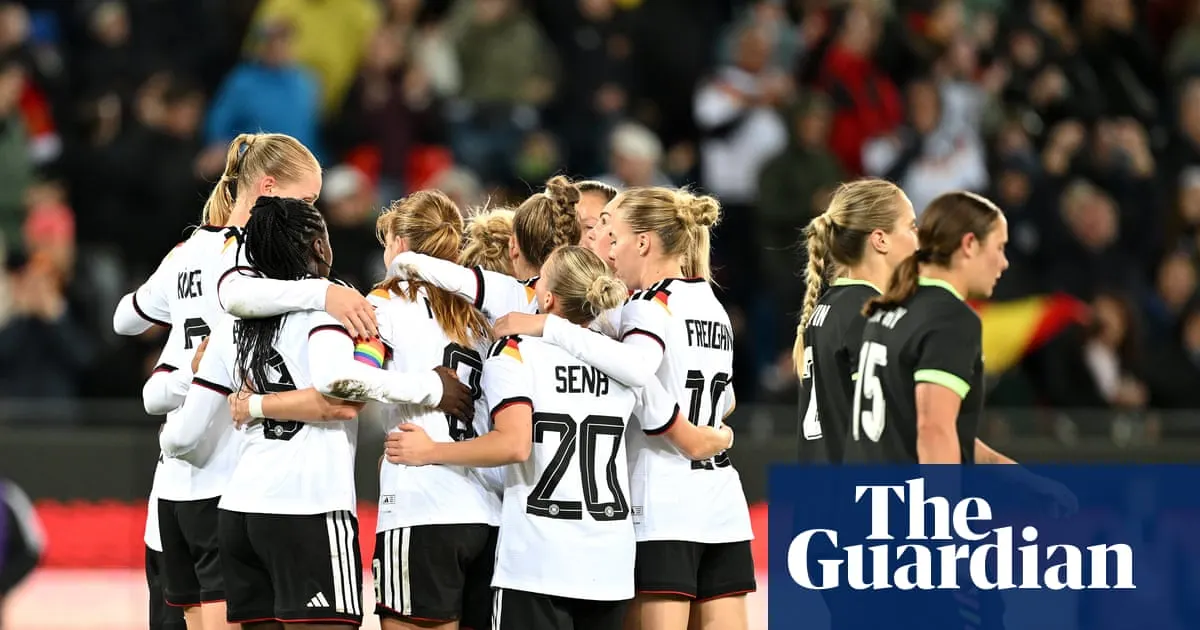
Australia's Matildas lost 4-2 to Germany in a friendly in Karlsruhe, with Sam Kerr and Holly McNamara scoring for the visitors. The defeat highlights the significant challenges facing the ageing squad ahead of the 2027 Women's World Cup in Brazil, particularly the widening gap between this golden generation and those waiting to take their place.
Germany's youthful team, with just 325 combined international caps, completely outplayed Australia's experienced squad of over 1,000 caps. The hosts dominated from the opening minutes, accumulating seven shots to Australia's two within 20 minutes, with impressive play from Cora Zicai and Klara Buhl creating constant trouble. Melissa Kossler scored twice on her competitive debut as Germany established a commanding lead. Australia's attacking depth problems became stark in the second half when substitutions exposed the lack of international experience, with the Matildas unable to create meaningful chances against the dominant hosts.
- Australia loses 4-2 to young Germany side in friendly
- Ageing squad's limitations exposed ahead of 2027 World Cup
- Lack of attacking depth a critical vulnerability for team
New here? Start with this
Australia's women's football team, the Matildas, is navigating a difficult transition. The squad has been built around experienced players like Sam Kerr and Holly McNamara, who have led the team to considerable success, but these players are now ageing. The younger generation waiting to take their place has not yet demonstrated it can perform at the same level.
The Women's World Cup will be held in Brazil in 2027, and this timing matters. Different countries are preparing their squads differently for this tournament. Germany's women's team, for instance, has focused on developing younger players, whilst Australia has continued to rely on its established core.
The next few years will be critical for the Matildas. The team must successfully introduce younger players whilst remaining competitive on the world stage. How Australia manages this generational shift will be significant as the World Cup approaches.
Both sides, in good faith
The strongest fair case each way — we don't pick a winner.
The case for
The match result reveals a troubling trend for Australia: their experienced squad is struggling against younger, fresher opposition, and this likely reflects the widening gap between the golden generation and their successors. Germany's youth team with just 325 combined caps completely outplayed Australia's experienced side, dominating possession and creating numerous chances, which suggests that tactical nous and tournament experience may no longer compensate for ageing players' diminished physical capabilities. This performance underscores the urgent need for Australia to accelerate integration of younger talent ahead of 2027, as friendlies often provide the clearest picture of emerging generational vulnerabilities.
The case against
A single friendly match result should not be allowed to determine narrative judgements about a squad's World Cup prospects, particularly when friendlies operate under fundamentally different conditions than competitive tournament football. Australia's experience remains a genuine strategic asset for tournament play, where calmness under pressure, defensive discipline, and composure in crucial moments matter more than the high-intensity attacking play often seen in experimental friendly fixtures. The squad's actual competitive record and the specific context of this match—Germany fielding their preferred starting XI in home conditions—provides insufficient evidence that Australia faces a generational crisis; gradual renewal can occur naturally without abandoning the proven core.
Business Europe Markets Sport World
Read the full article at the source →
Originally published by The Guardian as “Sam Kerr on target but Matildas outclassed by youthful Germany in European friendly”.