Sammy Gravano reveals the moment he decided to cooperate with the government against John Gotti
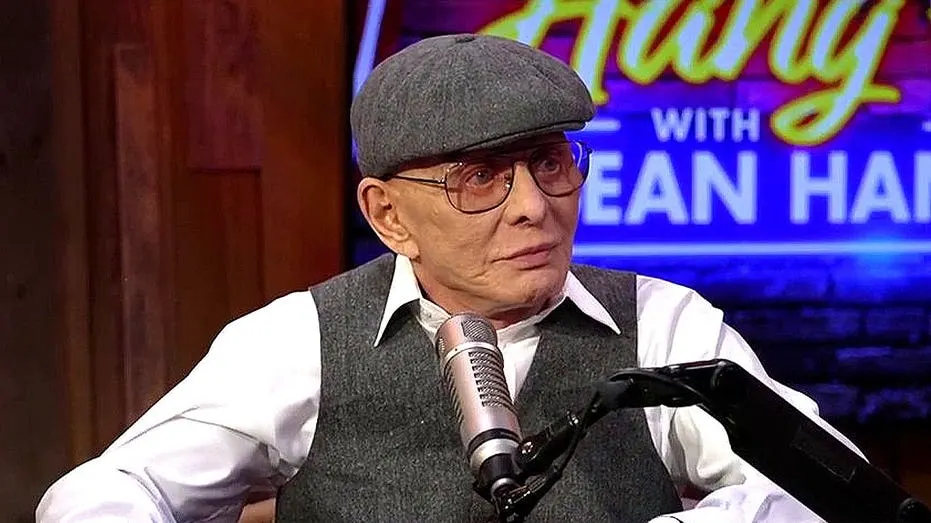
Sammy "The Bull" Gravano, the former Gambino crime family underboss, has described the moment he decided to turn government informant against Mafia boss John Gotti. Speaking on Fox News, Gravano recounted how a secretly recorded conversation and Gotti's apparent plan to pin blame on him convinced him that the mob's code of loyalty no longer applied, prompting him to cooperate with prosecutors. His testimony was instrumental in securing Gotti's 1992 conviction and remains one of the most significant betrayals in American organised crime history.
Gravano, who once served as Gotti's right-hand man, said he realised the relationship had broken down beyond repair when it became clear he was being set up to take the fall. He described simply saying "Okay" before walking away from the Mafia's oath of silence, or omertà, and beginning cooperation with authorities. His decision ultimately helped bring down Gotti, previously known as the "Teflon Don" for repeatedly evading prosecution, and reshaped the landscape of Mafia prosecutions in the United States.
- Sammy Gravano recalls deciding to inform on John Gotti
- He says Gotti's plot to blame him prompted the flip
- His cooperation helped convict Gotti in 1992
New here? Start with this
The Gambino family is one of the organised crime groups known as the American Mafia, which has operated in the United States. John Gotti led the family, and Sammy Gravano served as his underboss, a senior figure who helped manage its affairs.
Mafia members have traditionally been expected to keep silent about the organisation’s activities, a rule known as omertà. Gravano later gave evidence to prosecutors against Gotti; that testimony helped secure Gotti’s 1992 conviction and showed how an insider’s cooperation could affect a major criminal case.
Both sides, in good faith
The strongest fair case each way — we don't pick a winner.
The case for
Supporters of Gravano's decision contend that his cooperation was justified because Gotti had fundamentally violated omertà by plotting against him, making the code no longer binding when the boss himself betrayed the reciprocal loyalty it demands. When Gotti orchestrated Gravano's downfall through recorded conversations, self-preservation became the paramount consideration, and providing testimony that exposed a major criminal organisation and brought justice represents a form of moral responsibility that transcends loyalty to criminals. Breaking silence to dismantle an enterprise that caused genuine harm to innocent people reflects both rational self-defence and service to the public good.
The case against
Critics of Gravano's cooperation argue that he violated a solemn oath he had knowingly sworn as a member of the Gambino family, and that Gotti's betrayal does not erase his own prior commitment to omertà. As a willing participant in the organised crime enterprise who had benefited from the organisation's protection and structure for years, his decision to become an informant represented a fundamental breaking of trust and solidarity that he was bound by. Whatever his grievances, critics contend, his motivation was ultimately self-preservation rather than moral principle about criminality itself, and by choosing personal survival over loyalty, he set a precedent that undermined the reciprocal bonds the organisation depended upon.