World news and discussion on TalkFuse.
Samsung aims to help you make more sense of health data with a new AI-powered assistant
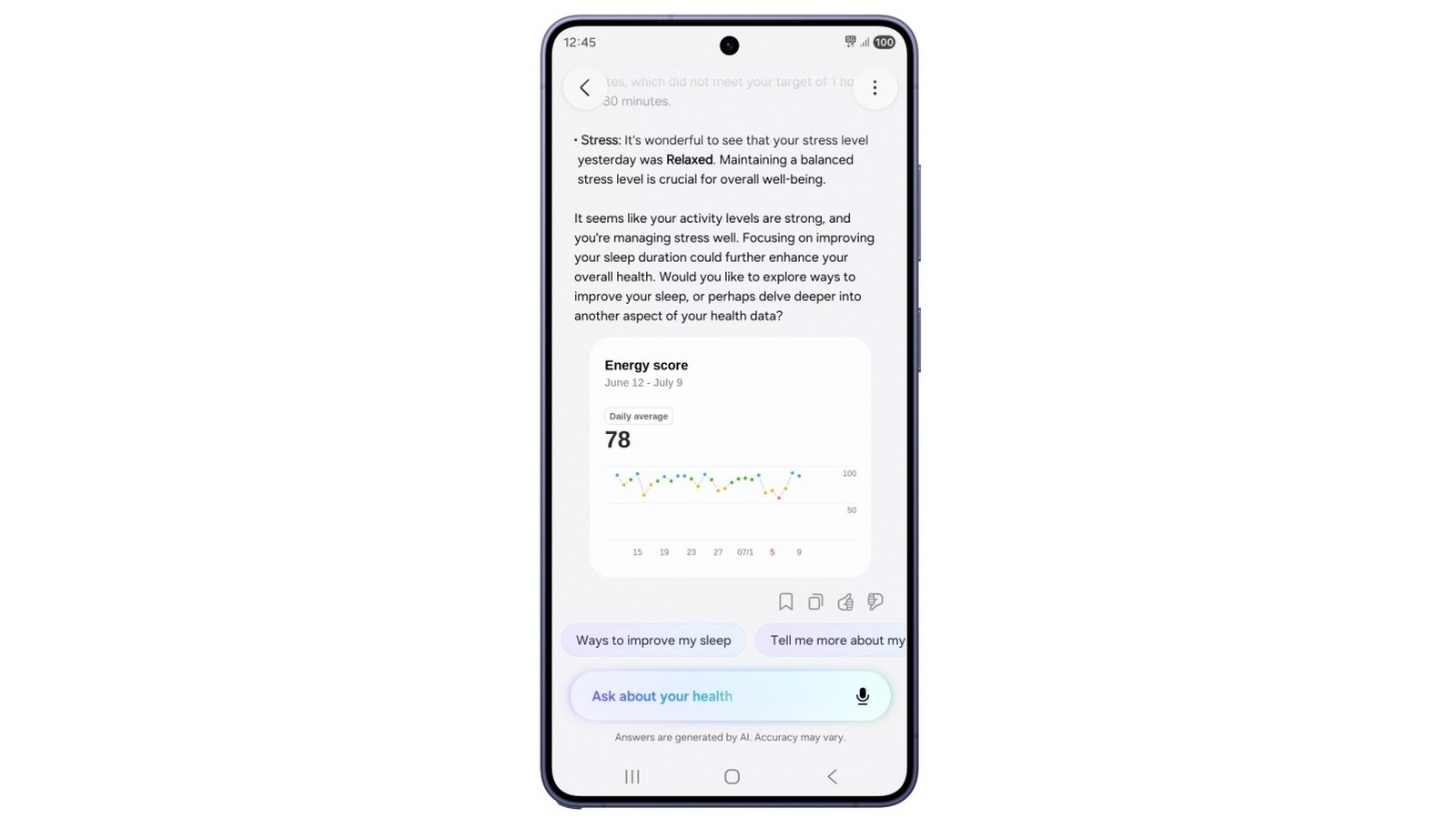
Samsung is rolling out an AI-powered chatbot called Health Assistant, built into the Samsung Health app, to help users better understand and act on their personal health data. The tool launches in beta for eligible US users just ahead of Samsung's Galaxy Unpacked event, where new devices, likely including smartwatches, are expected to be unveiled. It matters because it positions Samsung to compete more directly with wearable rivals such as Whoop and Fitbit by offering deeper, ecosystem-wide health insights rather than isolated fitness tracking.
Health Assistant draws on data from a user's phone, smart ring and Galaxy Watch across Samsung Health's five wellness pillars: sleep, activity, nutrition, mindfulness and vitals, with recommendations Samsung says are validated by physicians and certified health coaches. It is opt-in, cannot diagnose conditions or suggest treatments, but can flag patterns users might miss and, thanks to Samsung's personalised data engine, factor in wider context such as calendar events or smart home activity, with future plans to suggest actions like breathing exercises before meetings. Samsung is also adding sleep-time heart rate and blood oxygen monitoring, an Energy Score, Heart Health Score and Fitness Index, and, following its acquisition of Xealth, is developing a platform to let physicians access wearable data such as blood pressure between clinic visits.
In short
- Samsung launches AI chatbot Health Assistant in beta for US users
- Analyses sleep, activity, nutrition, mindfulness and vitals data
- Won't diagnose conditions; new scores and physician data-sharing also planned
Steelman: both sides, in good faith
The strongest fair case each way — we don't pick a winner.
The case for
Users benefit from AI-assisted insights into their personal health data, which could improve health literacy and enable earlier intervention when patterns emerge. Samsung's approach includes opt-in usage, physician validation, and careful boundaries—no diagnosis or treatment suggestions—suggesting responsible implementation. By integrating data across multiple devices and health pillars, personalised recommendations could be more relevant than isolated fitness tracking, whilst planned integration with medical systems potentially strengthens the clinical value of wearable data between appointments.
The case against
Centralising extensive personal health data—sleep patterns, heart rates, location, calendar events—within a commercial technology ecosystem raises significant privacy and security concerns. There is inherent tension between corporate interests and user protection, particularly with sensitive health information; breaches or unauthorised use could have serious consequences. Additionally, even with physician validation in development, reliance on algorithmic recommendations risks oversimplifying individual health complexities that require nuanced professional judgment, and uncertainty remains about whether AI systems adequately capture edge cases or individual circumstances that matter clinically.
Explained simply
Samsung is releasing an AI assistant called Health Assistant that will be available within its Samsung Health app. The new tool is designed to help users better understand the health and fitness data collected from their Samsung devices, such as smartwatches and smart rings. It will roll out in beta to eligible users in the United States.
The Health Assistant matters because it represents Samsung's bid to compete more directly with health-focused wearable companies such as Whoop and Fitbit. Rather than simply showing users their raw fitness data, Samsung is using artificial intelligence to provide deeper insights and personalised recommendations based on information drawn across its ecosystem of connected devices.
Health Assistant draws on data about sleep, activity, nutrition, mindfulness and vital signs. Its recommendations have been validated by physicians and health coaches, though the tool cannot diagnose medical conditions or suggest medical treatments. Instead, it aims to spot patterns in a user's health data that they might otherwise miss, and can consider wider context such as calendar events or smart home activity when making suggestions.