Samsung Galaxy Z Fold 8 Ultra review: Nice upgrades, but not quite ultra
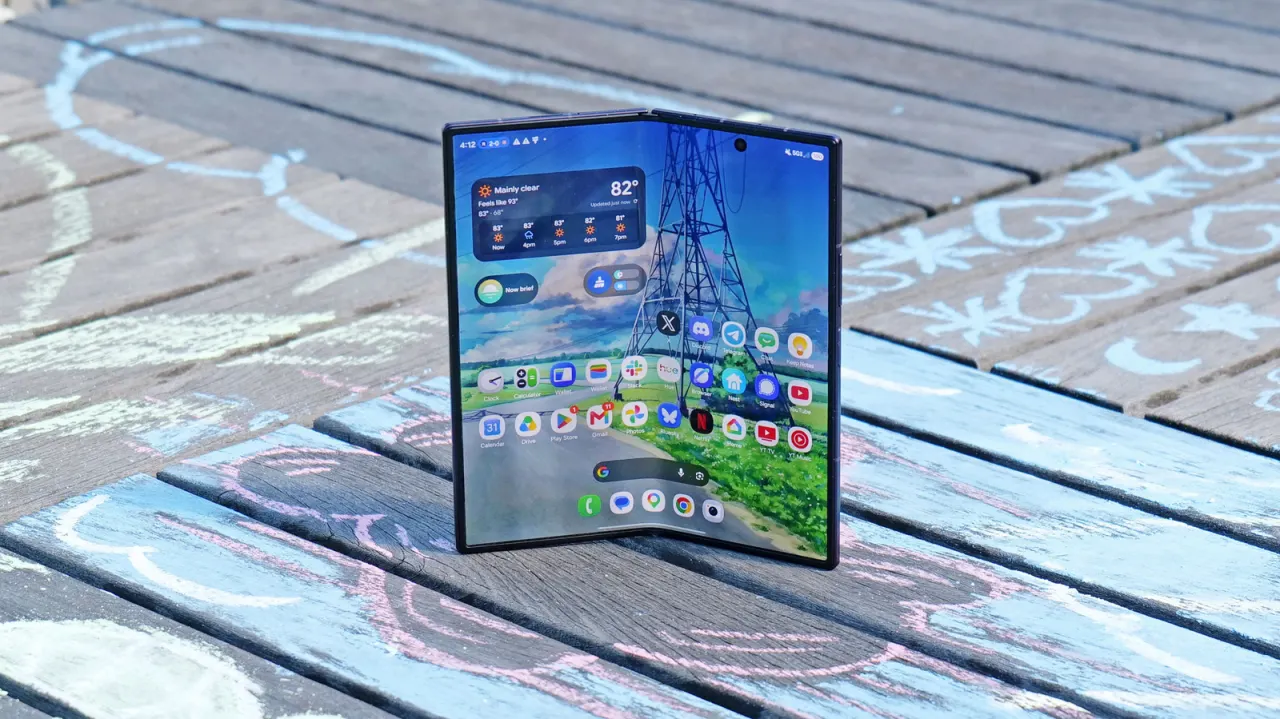
Samsung's Galaxy Z Fold 8 Ultra represents a measured evolution rather than a significant redesign. The device incorporates a new Snapdragon processor, peak brightness increased to 3,000 nits, and quality-of-life improvements such as tapered edges for easier opening and a titanium alloy layer that minimises the internal crease visibility. The overall form factor remains virtually identical to the previous generation, with the same closed thickness, weight, and dust-resistance rating, though the open profile does achieve a marginal thinning.
The hardware achieves strong performance capabilities with class-leading processing power and delivers notably improved battery longevity. However, the review questions whether these enhancements sufficiently justify both the premium retail price and the new 'Ultra' branding, suggesting the upgrade path may appeal primarily to previous owners seeking incremental gains rather than those seeking transformative improvements. The absence of certain expected features, such as integrated Qi2 magnetic accessories, further undercuts the ultra-tier positioning.
In short
- Samsung upgraded the Z Fold 8 Ultra with a faster processor, brighter screens, and subtle design refinements like easier-opening edges and a reduced crease appearance.
- Despite improvements, the phone maintains essentially the same build as its predecessor, raising questions about whether the enhancements justify the premium price and 'Ultra' designation.
Steelman: both sides, in good faith
The strongest fair case each way — we don't pick a winner.
The case for
The device delivers genuine improvements in performance and daily usability that matter to consumers. The combination of advanced processing power, significantly improved battery life, and refined user experience features such as tapered edges and reduced crease visibility represent meaningful gains that compound for those upgrading from older foldables. Incremental evolution, rather than revolution, remains the industry norm in smartphone development, and premium materials like titanium alloy engineering justify consideration of the premium positioning.
The case against
The retention of identical dimensions and form factor suggests Samsung has prioritised profit over meaningful innovation. The 'Ultra' designation conventionally signals transformative improvements, yet this device merely refines existing capabilities whilst omitting expected features like integrated Qi2 accessories. The marginal gains in battery longevity and crease visibility, though welcome, do not justify the premium pricing or warrant ultra-tier branding. Consumers upgrading from recent models will find few compelling reasons to pay flagship prices for incremental refinement rather than substantial advancement.
Explained simply
Samsung’s Galaxy Z Fold phones open like a book to reveal a larger screen, while still working as a smartphone when folded. They sit at the premium end of the market, so buyers may weigh their flexible design and powerful components against their high price.
Each new generation can bring faster processing, a brighter display or changes that make the phone easier to use. The name “Ultra” suggests a higher tier, which makes features and design changes relevant when judging how it differs from other Fold models.
The phone matters most to people deciding whether to upgrade from an older Fold or buy a foldable for the first time. Its value depends on whether improvements to speed, battery life and everyday handling are worth the cost, and whether it includes the features buyers expect at that price.