Entertainment news and discussion on TalkFuse.
Samsung vs. LG OLED TVs: What’s the difference between them?
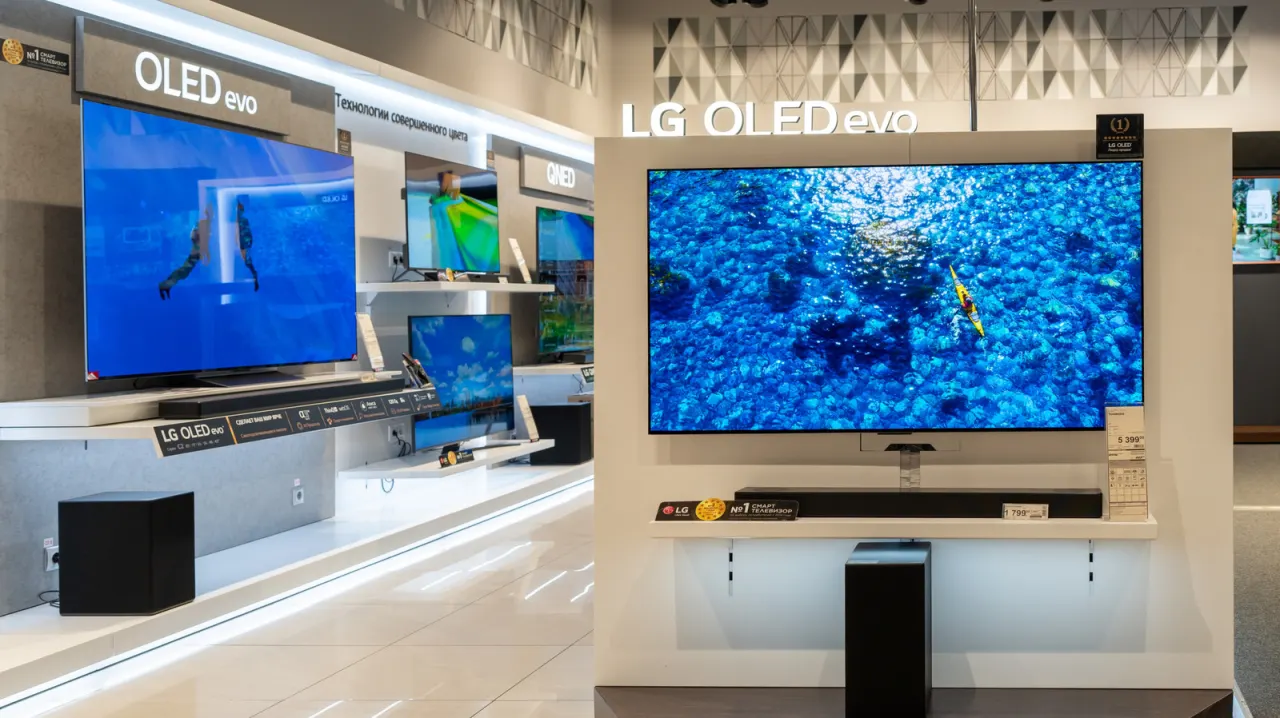
Samsung and LG both offer strong OLED TVs, but the article says neither brand is clearly better for everyone. Samsung’s QD-OLED panels generally deliver more saturated colours and strong HDR, while LG’s OLED range includes panel types that may work better in brighter rooms.
The choice depends on the room, software and model as well as the panel. WOLED, common in LG TVs, uses a white light source and colour filters; QD-OLED uses quantum dots for a wider colour gamut but can show magenta glare in bright spaces. RGB Tandem OLED can exceed 1,000 nits per pixel on some models, but costs more and may have less accurate colour than QD-OLED. Samsung TVs lack Dolby Vision and use HDR10, while LG’s WebOS is supported for at least five years and Samsung’s Tizen for up to seven.
In short
- Samsung QD-OLED offers especially vivid colour and HDR.
- LG WOLED may suit brighter viewing spaces better.
- Room conditions and software support can shape the choice.
Steelman: both sides, in good faith
The strongest fair case each way — we don't pick a winner.
The case for
Samsung’s QD-OLED models can be the stronger choice for viewers who prioritise saturated colour and HDR performance. Samsung’s longer stated Tizen support on some models may also appeal to buyers who value software longevity, and its HDR10 support may suit those who do not need Dolby Vision.
The case against
LG’s OLED range offers panel options that may perform better in bright rooms, making it a more adaptable choice for some viewing environments. Its support for Dolby Vision and stated WebOS support of at least five years may matter to buyers who prioritise that format or want a clear minimum support period; the best choice still depends on the specific model and room.