Samsung warns memory crunch will last through 2028 as profit rises 19-fold
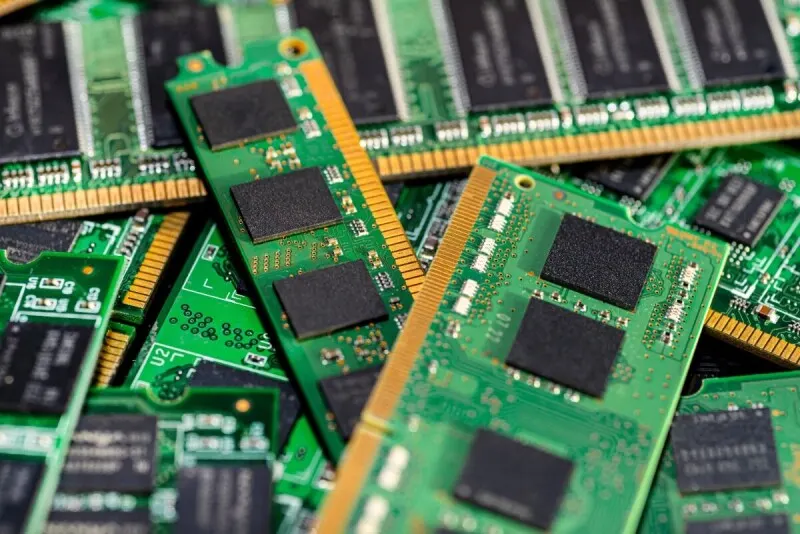
Samsung Electronics says the global memory-chip shortage is likely to worsen in 2027 and continue through 2028, as demand from AI infrastructure outstrips the industry’s ability to add manufacturing capacity. The warning matters because constrained supplies are expected to keep memory prices high for businesses and consumers, while boosting profits for major suppliers such as Samsung.
Samsung attributes the pressure to AI model training and agentic AI, which are increasing demand for servers and related infrastructure; manufacturers are prioritising AI-focused memory over chips used in PCs and smartphones. New fabrication plants take more than three years to begin producing wafers, and Samsung is offering multi-year supply agreements to customers able to commit to future demand. Its second-quarter revenue rose 130% year on year to ₩171.5 trillion ($119 billion), while operating profit increased more than nineteenfold to ₩89.5 trillion ($62.4 billion).
In short
- Samsung expects memory shortages to persist through 2028.
- AI demand is squeezing supply for mainstream devices.
- Samsung’s operating profit rose more than nineteenfold.
Steelman: both sides, in good faith
The strongest fair case each way — we don't pick a winner.
The case for
The case for accepting Samsung’s warning is that AI infrastructure is driving unusually strong demand for memory, while new factories take years to build and bring into production. If supply cannot catch up quickly, multi-year shortages and high prices are plausible, and securing long-term supply agreements could help customers plan. Samsung’s reported profit surge is consistent with a market where demand is outpacing available capacity.
The case against
The warning may overstate how long today’s tight market will last: demand forecasts for AI infrastructure are uncertain, and companies may adjust investment plans if costs rise or expected returns disappoint. As new capacity comes online and manufacturers respond to high prices, supply could improve sooner than Samsung predicts. The company also benefits from expectations of scarcity, so its forecast should be treated as a supplier’s assessment rather than a settled outcome.
Explained simply
Memory chips are components that store data temporarily in computers, servers, smartphones and other electronic devices. The global tech industry depends on steady supplies of these chips, and shortages drive up prices and create production difficulties for manufacturers.
Artificial intelligence systems, particularly those used for training large language models and running AI applications, require vast amounts of memory to function. Demand for AI infrastructure has grown significantly in recent years, and chip manufacturers are now prioritising memory production for AI use over supplies for consumer devices like phones and laptops.
Creating new chip manufacturing plants takes several years and costs billions of pounds, so producers cannot quickly increase output to meet the growing demand. This means memory shortages are likely to continue, keeping prices high for businesses and consumers who need these components, whilst the constraint on supply allows major producers like Samsung to maintain strong profits.