Sandra Hüller To Star As Celebrated Late Male German Artist Wolfgang Herrndorf’s In Maria Schrader’s ‘Work And Structure’
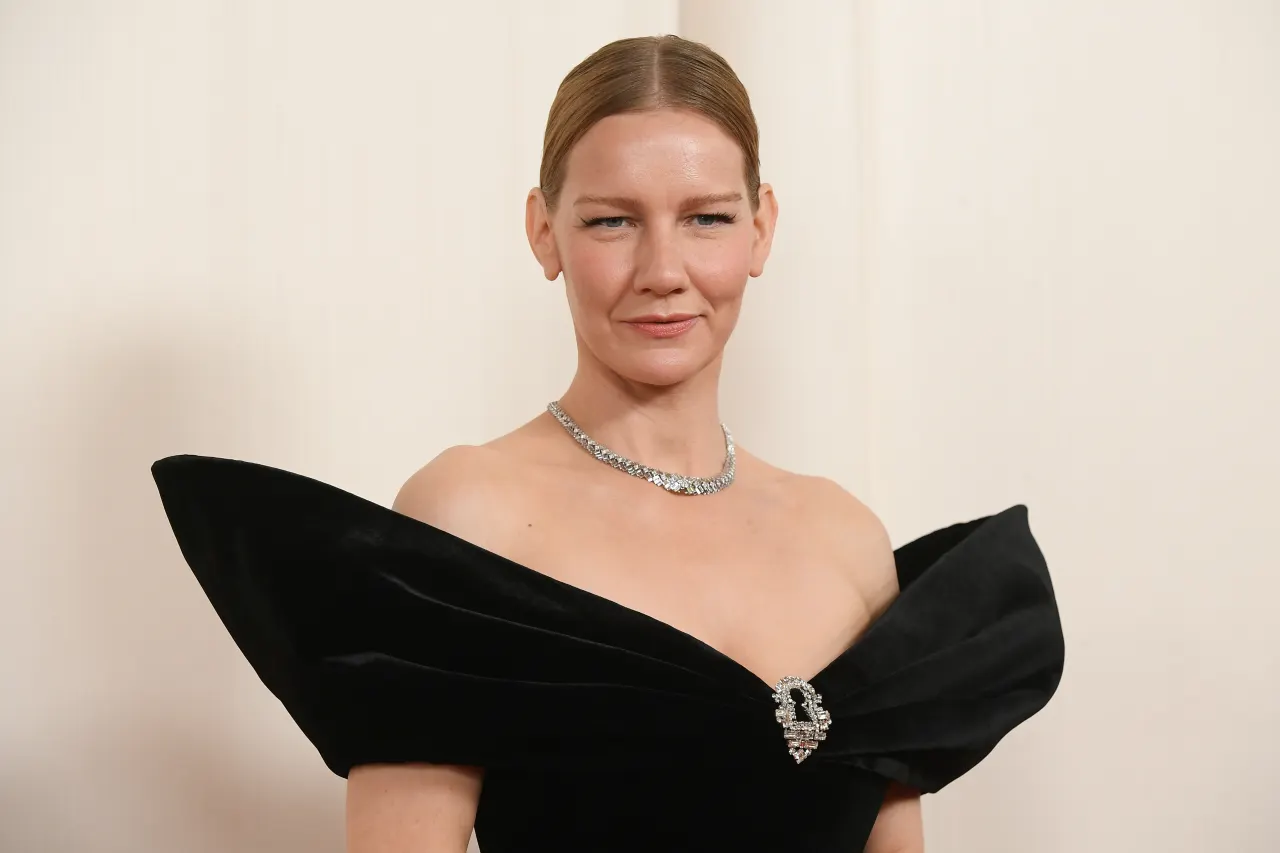
Sandra Hüller has been cast as the late German writer and artist Wolfgang Herrndorf in "Work and Structure" (Arbeit und Struktur), a feature film directed by Maria Schrader. The project unites two prominent figures in German cinema and adapts Herrndorf's acclaimed autobiographical work for the screen, marking a significant literary adaptation for the German film industry.
Herrndorf began writing the source material after being diagnosed with a terminal brain tumour in 2010, and the book was published posthumously in 2013, going on to become a landmark of contemporary German literature. Schrader is adapting the text with Jan Schomburg, with production due to start in early 2027; the film is being made by Komplizen Film, Studiocanal, Haut et Court and ZDF, with Studiocanal handling world sales and releasing it in Germany, France and Italy in 2028. Hüller, known for "Anatomy of a Fall" and "The Zone of Interest", and Schrader, whose credits include "I'm Your Man" and "Unorthodox", both described the project as a deeply personal and challenging undertaking.
In short
- Sandra Hüller to play writer Wolfgang Herrndorf in Maria Schrader's new film
- Adapts Herrndorf's acclaimed memoir written after his terminal cancer diagnosis
- Production starts 2027, release planned in Germany, France, Italy in 2028
Steelman: both sides, in good faith
The strongest fair case each way — we don't pick a winner.
The case for
Supporters of the casting argue that acting has always been about transformation and inhabiting a life beyond one's own, and that Sandra Hüller's standing as one of the most acclaimed performers of her generation makes her a natural choice regardless of gender. They point to a long tradition, on stage and screen, of cross-gender performance illuminating universal human experience — illness, mortality, creative resilience — that transcends the specific biography of the subject. From this view, prioritising the strongest available actor and the director's artistic vision keeps the focus on Herrndorf's inner life and his remarkable response to terminal illness, rather than on surface mimicry.
The case against
Others take the view that biographical portrayals of real, named people carry a particular responsibility towards authenticity, and that a subject's gender is not an incidental detail but part of the specific lived experience being dramatised. They might argue that unconventional casting choices in a project this personal risk becoming a talking point in themselves, drawing attention away from Herrndorf's own words and story and towards a meta-debate about the performance. For those holding this position, fidelity to the subject as they actually were is what allows audiences to trust the film as a faithful tribute rather than a reinterpretation.
Art Celebrity Culture Entertainment Europe Film Music World