SAS Commanding Officer hounded by military police following legitimate killing of an ISIS terrorist
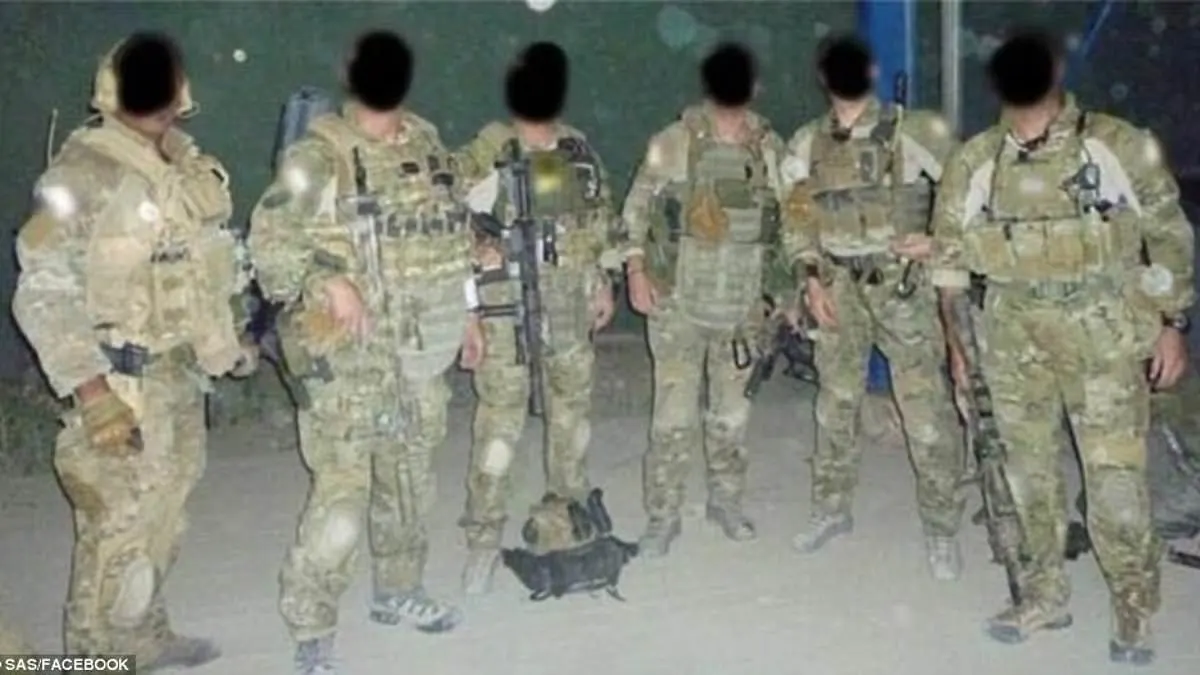
A Special Air Service commanding officer and two senior colleagues were investigated after approving a report that an SAS team had legitimately killed an ISIS fighter in Syria in 2022. The case matters because the investigation, which lasted three years, reportedly damaged careers and morale within the regiment, amid wider scrutiny of UK special forces.
The five-person team shot an ISIS commander who had threatened attacks in a propaganda video; investigators questioned whether they should have tried to arrest him and interviewed the officers under caution over alleged concealment of murder. The article says General Sir Gwyn Jenkins, then Director Special Forces, overruled the SAS commander, prompting the probe, codenamed Operation Tanglement 2. The officers and soldiers were cleared last year; Jenkins is now First Sea Lord.
In short
- SAS officers were investigated over a 2022 killing in Syria.
- The three-year probe ended with the officers and soldiers cleared.
- The case reportedly harmed careers and regiment morale.
Steelman: both sides, in good faith
The strongest fair case each way — we don't pick a winner.
The case for
The officers’ strongest case is that the team faced an active ISIS commander who had publicly threatened attacks, and that using force in Syria may have been a lawful and necessary response to an immediate security threat. A prolonged criminal investigation after their conduct was ultimately cleared could undermine trust, morale and the ability of commanders to make urgent decisions in dangerous conditions.
The case against
The strongest case for investigating is that even a suspected terrorist should not be killed if a feasible arrest could safely protect lives and preserve evidence for prosecution. Independent scrutiny of lethal force and the handling of reports is essential to establish whether the operation was lawful, especially where questions arose about concealment; clearing those involved does not make the inquiry itself improper.
Explained simply
The SAS is the British Army’s special forces regiment, whose operations are often secret and subject to close scrutiny. ISIS is a militant organisation that controlled territory in Syria and Iraq and has carried out attacks and threats against civilians and governments.
UK special forces operate within military command structures, where senior officers oversee missions and decisions are reviewed afterwards. A central issue in this case was how to assess the use of lethal force against an armed ISIS member, including whether an attempt to detain him was feasible.
The case also concerns how investigations affect the people and units involved, and how the armed forces examine possible wrongdoing. General Sir Gwyn Jenkins was Director Special Forces at the time and is now the Royal Navy’s First Sea Lord, its professional head.