World news and discussion on TalkFuse.
SAS veteran defies top brass to tell all about his Nairobi terror heroics
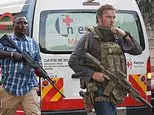
Former SAS soldier Christian Craighead has defied a Ministry of Defence gagging order by discussing his banned memoir in a five-hour YouTube interview, after being barred from publishing the book or being interviewed about it in Britain. The 51-year-old, who single-handedly tackled jihadist gunmen during the 2019 Nairobi hotel siege, faces possible UK prosecution over the memoir, titled One Man In, which he was able to release only in the United States. The case highlights the long-standing tension between UK Special Forces veterans' desire to tell their stories and the Ministry of Defence's strict confidentiality rules.
Craighead was serving as a liaison officer with Kenyan forces when he saved hundreds of lives during the DustitD2 hotel complex attack in January 2019, earning the Conspicuous Gallantry Cross before leaving the forces and moving to the US, where Donald Trump personally congratulated him and he later joined Trump's security team. His US podcast interview drew more than 800,000 YouTube views within 24 hours, during which he criticised the MoD's stance. The MoD secured a High Court injunction last week blocking the memoir's UK release and any British press interviews, citing a confidential contract Craighead signed as a UK Special Forces member; a similar ban has applied to veterans since the Andy McNab and Chris Ryan Gulf War memoir controversies roughly 30 years ago. Craighead previously lost a 2023 High Court challenge against the restriction, having sold his medals to fund the legal fight.
In short
- Ex-SAS hero Craighead defies MoD ban, discusses memoir on US podcast
- Book banned in UK over Special Forces confidentiality contract
- He saved lives in 2019 Nairobi jihadist siege, won Trump's praise
Steelman: both sides, in good faith
The strongest fair case each way — we don't pick a winner.
The case for
The Ministry of Defence can argue that strict controls protect operational methods, intelligence sources and the safety of serving personnel and partners, including in future missions. A confidentiality agreement also gives veterans clear obligations, and enforcing it consistently may help preserve trust that sensitive information will not be disclosed for personal or commercial reasons.
The case against
Craighead and supporters can argue that veterans who have served with distinction should have a fair chance to tell their own stories, particularly when their actions are already public and widely celebrated. Broad restrictions may prevent legitimate historical account and personal testimony, while a memoir published abroad and a US interview raise questions about whether UK controls are proportionate or effective.
Explained simply
Christian Craighead was a British Special Forces soldier who served as a liaison officer with Kenyan forces. In January 2019, gunmen attacked a hotel complex in Nairobi, and Craighead helped confront them and protect people inside. He later received the Conspicuous Gallantry Cross for his actions.
UK Special Forces members sign confidentiality agreements covering information they learn through their service. The Ministry of Defence can restrict what former members publish or discuss if it believes those rules apply. Disputes over veterans’ memoirs have continued since earlier rows about books by former soldiers Andy McNab and Chris Ryan.
The case raises questions about how those confidentiality rules apply after service, and how veterans can tell their own stories. It also concerns the government’s ability to protect information linked to military operations.