Science news and discussion on TalkFuse.
Satellite images show evidence of oil leak spreading from sanctioned vessel near Oman
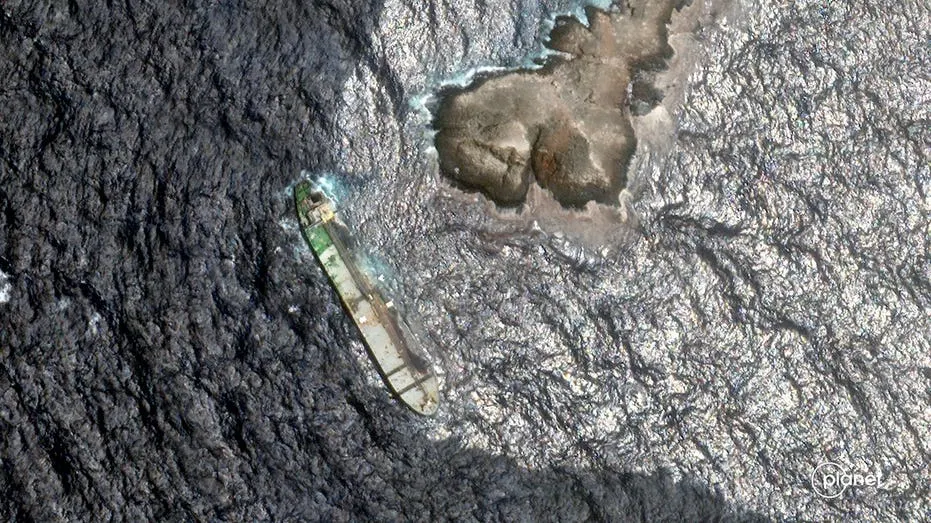
Satellite images reveal that a sanctioned tanker has been leaking crude oil into protected waters off the coast of Oman, with experts warning that monsoon conditions could cause the stranded vessel to break apart and worsen the spill. The incident raises environmental concerns for a sensitive marine area and highlights the risks posed by sanctioned "shadow fleet" vessels operating with limited oversight.
Images reviewed by the Associated Press show an oil sheen covering roughly 20 square kilometres (about 8 square miles) around Qibliyah Island, part of Oman's protected Hallaniyat Islands in the Dhofar region. Dark patches of crude have already reached the shoreline, and experts say the leak has worsened in recent days, with fears that rough monsoon seas could cause further structural damage to the vessel and a larger release of oil.
In short
- Sanctioned tanker leaking oil near Oman's protected Hallaniyat Islands
- Spill covers roughly 20 square kilometres, reaching the shoreline
- Monsoon weather may cause vessel to break apart, worsening leak
Steelman: both sides, in good faith
The strongest fair case each way — we don't pick a winner.
The case for
This incident demonstrates why the international community must strengthen enforcement and maritime oversight of sanctioned vessels. Stricter sanctions enforcement and enhanced vessel monitoring would discourage shadow fleet circumvention and reduce the risk of environmental disasters in protected waters. Improved international coordination on tracking and accountability mechanisms is essential to prevent further ecological damage to sensitive marine ecosystems.
The case against
This environmental crisis reflects the unintended consequences of aggressive sanctions regimes that push vessels into poorly-regulated shadow fleet operations, increasing the risk of exactly these kinds of incidents. Rather than intensifying enforcement efforts that exacerbate these pressures, the international community should pursue diplomatic resolution of underlying geopolitical conflicts, as aggressive sanctions-driven circumvention creates precisely the dangerous, poorly-maintained operations that threaten marine ecosystems.
Explained simply
Oil tankers carry crude oil across the sea, and a leak can spread quickly on the water and reach nearby shores. Oman’s Hallaniyat Islands are a protected marine area, where damage to wildlife and coastal habitats may be difficult to reverse.
The tanker is under sanctions, meaning governments have restricted dealings with it. Some sanctioned vessels operate as part of a loosely monitored “shadow fleet”, which can make it harder to track their movements and ensure they meet safety standards. The condition of a stranded ship matters because rough seas can damage it further and increase the risk of oil escaping.
Environment Europe Geopolitics Politics Science Space Technology World