Saudi capital airport hit by second strike in two days
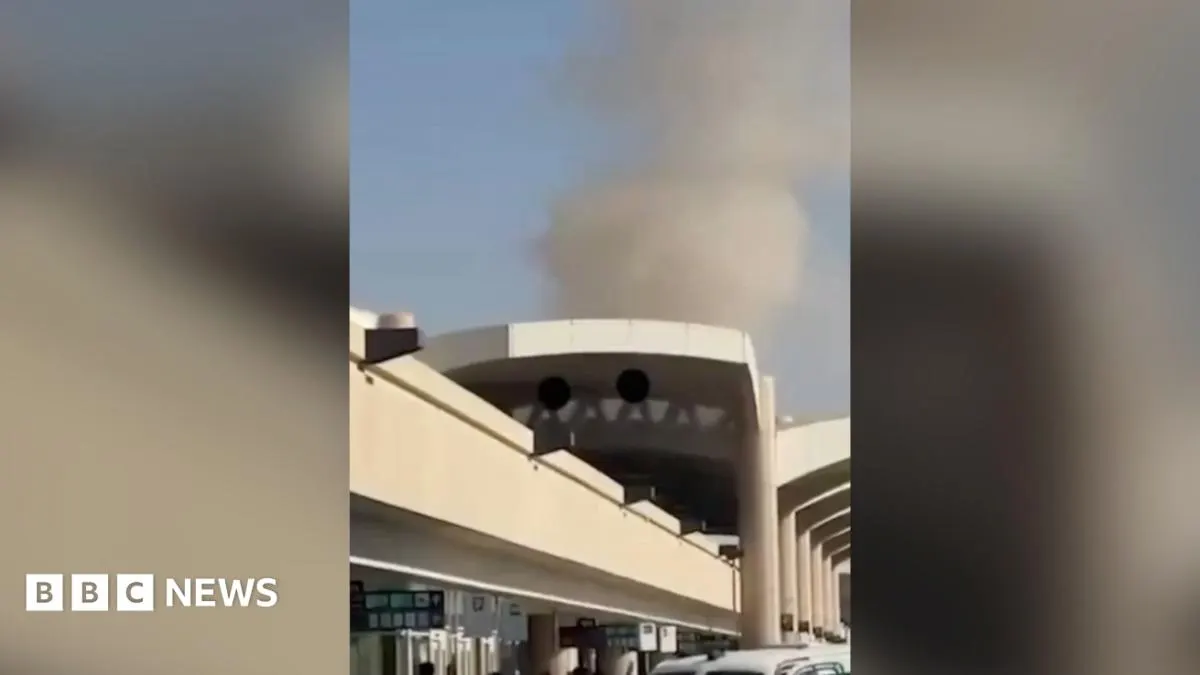
King Khalid International Airport in Riyadh has been hit by a second attack in two days, with a projectile striking a passenger hall and causing a fire. The Houthi movement from Yemen claimed responsibility for the strike and the previous day's attack that killed 13 people and injured 308 others, saying they are targeting Saudi Arabia over its military support for government forces in Yemen's civil war.
The Houthis said they used ballistic missiles, cruise missiles and drones in their assault, and also attacked oil facilities and Dammam airport in eastern Saudi Arabia. The group has vowed to continue escalating operations inside Saudi Arabia and warned that all Saudi airports are potential targets except those in the holy cities of Mecca and Medina. Among those killed in Saturday's strike were four Saudi nationals, two Bangladeshi citizens, and one each from the US, Jordan, Palestine, Syria, Sudan, Egypt and India, according to reports. The attacks mark a significant escalation following the collapse of a ceasefire brokered in 2022, with US and UK officials indicating they may take further action in response.
- Saudi airport hit twice in two days; 13 killed, 308 injured.
- Houthis claimed attacks; target Saudi support for Yemen's government forces.
- Group warns all Saudi airports now targets except Mecca and Medina.
New here? Start with this
The conflict pits Saudi Arabia against the Houthis, an armed group based in Yemen. The Houthis say their attacks on Saudi territory are retaliation for the kingdom's military involvement in Yemen's civil war.
Yemen has been torn by civil war for several years, creating a major humanitarian crisis. Saudi Arabia launched a military intervention to support the internationally recognised government against Houthi forces who control much of northern Yemen.
The airport strikes represent a significant escalation following the breakdown of a ceasefire that had existed since 2022. The attacks demonstrate the capability of armed groups in Yemen to conduct coordinated operations against major Saudi infrastructure.
Both sides, in good faith
The strongest fair case each way — we don't pick a winner.
The case for
The Houthis contend they are responding to Saudi Arabia's military intervention in Yemen's civil war, which they argue has caused widespread civilian casualties and humanitarian devastation. They view strikes against military and economic infrastructure as a legitimate defence against foreign military aggression, using the asymmetric means available to a weaker force to impose costs on their adversary and deter further intervention in their nation's affairs.
The case against
International humanitarian law prohibits attacks on civilian infrastructure regardless of underlying political grievances, and such strikes inevitably cause civilian harm and suffering. These escalating attacks represent disproportionate responses that violate the laws of war, perpetuate cycles of violence, and obstruct paths toward peaceful resolution; the international community should pursue diplomatic solutions rather than accept infrastructure attacks as a legitimate form of political expression or military response.