Scalding hot AI accelerators have put datacenters in hot water. Two-phase cooling could chill them out
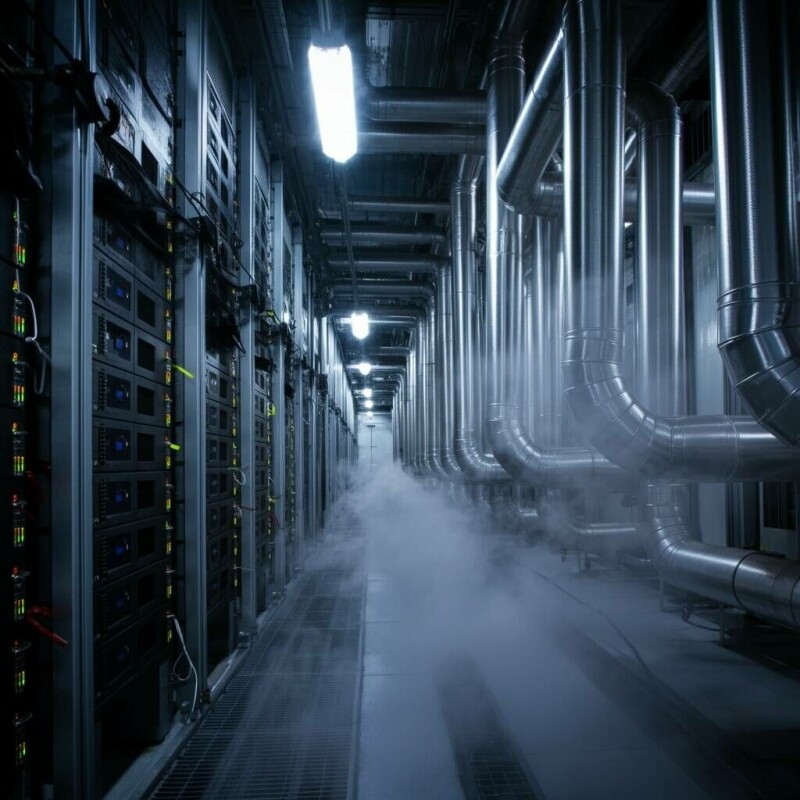
US startup Accelsius has commissioned research suggesting datacentres could cut cooling costs significantly by switching to two-phase cooling fluids for AI accelerators, which run far hotter than traditional server chips. The approach matters because the ongoing AI datacentre building boom, combined with rising electricity costs and supply constraints, has made cooling efficiency an increasingly important factor in operating expenses.
Accelsius says its NeuCool two-phase coolant, which behaves like refrigerants used in fridges and air conditioners rather than conventional single-phase liquids, allows facility water to run up to 14°C hotter than existing systems, reaching temperatures of 54°C or even 59°C with increased flow rates. The company claims each 1°C rise in facility water temperature yields roughly 4 per cent in annual energy savings, and testing on a modified Dell PowerEdge XE9680L server fitted with eight Nvidia B200 accelerators showed temperature drops of up to 19°C at the cold plate and 9-14°C at the system level, potentially reducing reliance on water-intensive evaporative cooling in favour of simpler dry coolers.
- Accelsius claims two-phase coolants let datacentre water run up to 14°C hotter
- Higher water temperatures could cut annual cooling energy costs substantially
- Tests on Dell servers with Nvidia B200 chips showed notable temperature drops
New here? Start with this
Datacentres running artificial intelligence workloads rely on specialised chips called accelerators, which process huge amounts of data far faster than the standard chips found in most computers. This speed comes at a cost: these chips generate much more heat than conventional server hardware, and keeping them cool enough to work reliably has become a growing challenge as more AI datacentres are built.
Cooling is not just a technical detail but a significant expense, especially as electricity prices rise and water for cooling systems becomes harder to source in some areas. Most datacentres currently use liquid cooling systems that keep water at relatively low temperatures, which requires more energy and often more water to operate.
Accelsius, a US company, is one of several developers working on alternative cooling methods for this industry. It has been testing a cooling fluid that changes between liquid and gas, similar to the way refrigerants work in a fridge, as a possible way to cool chips more efficiently than existing water-based systems.
AI Americas Art Business Celebrity Companies Culture Entertainment Geopolitics Politics Technology World