Scottish report finds 19 officers accused of sexual or domestic offences remain on restricted duties
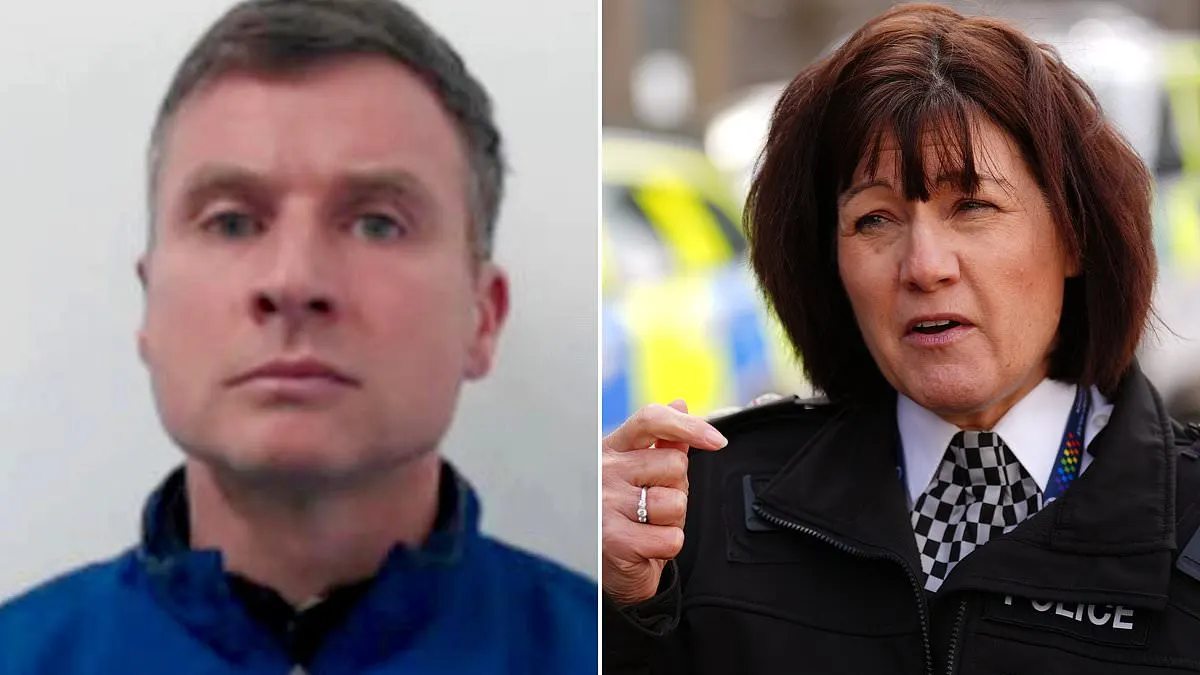
A Scottish Police Authority report says 19 officers accused of sexual or domestic offences remain at work on restricted duties, prompting calls for greater transparency and consistent safeguards. The figures have raised concern among politicians and victim-support advocates about public confidence in how allegations against police officers are handled.
The report records 140 officers on restricted duties last month, including eight facing sexual-offence allegations and 11 facing domestic-offence allegations; another 121 face allegations such as assault or road traffic offences. Restrictions may remove officers from patrol, operational or public-facing work, and the report says they are imposed after risk assessment when suspension is not considered necessary. One officer has reportedly been on restricted duties for nearly six years, while Police Scotland says each decision is assessed according to the circumstances.
- Nineteen officers accused of sexual or domestic offences remain on restricted duties.
- A private report lists 140 officers on restricted duties last month.
- Advocates question consistency and delays in handling allegations.
New here? Start with this
Police Scotland is the national force responsible for policing across Scotland. When an officer is accused of an offence, the force can assess whether they should be suspended or kept at work with limits on their duties; restrictions can mean they are moved away from patrol or other public-facing work while the allegation is considered.
The Scottish Police Authority oversees Police Scotland and reports on its work. Allegations are not proof of wrongdoing, but how they are handled can affect the safety of the public and colleagues, the treatment of people who report offences, and confidence in the police.
Both sides, in good faith
The strongest fair case each way — we don't pick a winner.
The case for
Keeping officers on restricted duties rather than suspending them can be a proportionate response when an individual risk assessment finds that removing them from all work is unnecessary. It may protect the public by excluding officers from patrol or public-facing roles while preserving fairness to staff whose allegations have not been proven, and allowing them to continue useful work.
The case against
Allegations of sexual or domestic offences can raise serious risks for complainants and public confidence, so restricted duties may not provide adequate protection or reassurance in every case. Long periods under restrictions, alongside limited public information about decisions and safeguards, strengthen the case for clearer, consistent standards and greater transparency.
Read the full article at the source →
Originally published by Daily Mail as “Scandal of police officers on ‘restricted duties’ while they face violence and abuse claims against women”.