Schiff accuses DOJ of trying to ‘subvert’ elections as GOP alleges same-name candidate meant to confuse voters
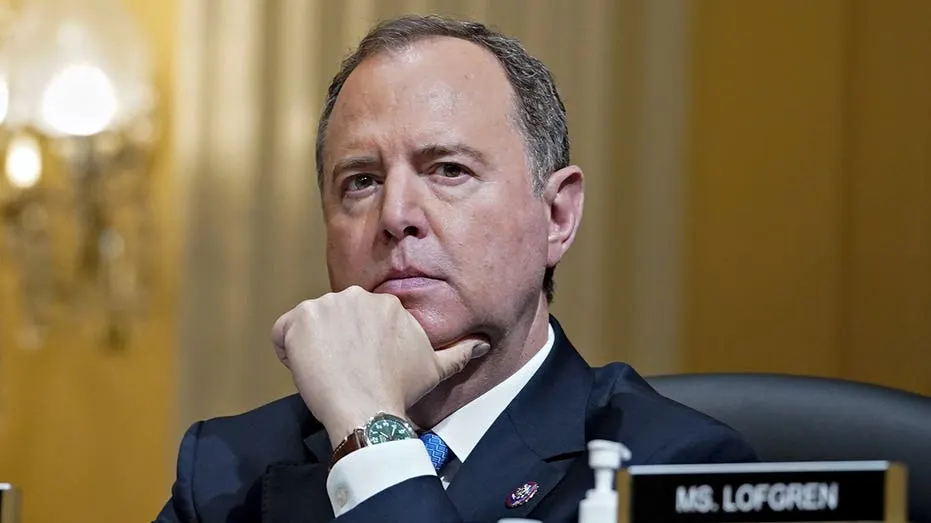
Sen Adam Schiff accused the Justice Department of trying to “subvert” elections by challenging Alaska’s Senate ballot, arguing that state courts had already settled the matter and federal officials should not intervene. The dispute centres on two candidates named Dan Sullivan, and Republicans’ allegation that the unaffiliated candidate’s presence could divert votes from the Republican incumbent and help Democrat Mary Peltola; the candidate and Peltola’s campaign deny the claim.
Alaska election officials initially disqualified Daniel J. Sullivan Jr, from Petersburg, citing concerns including his requested ballot name and campaign materials, but state courts allowed him to remain. The Justice Department has filed a separate federal lawsuit seeking to delay certification if the incumbent loses but might have won had votes for the other Sullivan gone to him, pending an investigation into voter intent. Schiff predicted the case would fail, while Attorney General Todd Blanche defended the department’s action.
In short
- Schiff says the DOJ is intruding in Alaska’s election.
- Two Dan Sullivans are on the Senate ballot.
- A federal lawsuit seeks to delay certification in a specific scenario.
Steelman: both sides, in good faith
The strongest fair case each way — we don't pick a winner.
The case for
Schiff’s position is that Alaska’s courts have already weighed the ballot issue, and reopening it through federal litigation risks disrupting settled election rules and undermining voters’ confidence in the process. From this view, a candidate’s same-name status alone does not establish deliberate confusion, especially when the candidate and Peltola’s campaign reject the allegation.
The case against
The Justice Department’s case is that federal courts may need to protect voters if the ballot listing or campaign materials caused people to mistake one Sullivan for the incumbent, potentially changing the result. Supporters of investigating argue that delaying certification in a close race could help establish voter intent and preserve confidence that the outcome reflects voters’ choices.
Explained simply
Alaska uses ranked-choice voting for statewide elections: voters rank candidates in order, and votes can transfer between candidates as lower-placed contenders are eliminated. The state’s Senate race includes Republican incumbent Dan Sullivan and Daniel J. Sullivan Jr, an unaffiliated candidate with the same name.
State election officials initially removed Daniel J. Sullivan Jr from the ballot, but state courts allowed him to run. Republicans say his candidacy could confuse voters and affect the incumbent’s result; the candidate and Democrat Mary Peltola’s campaign reject that allegation.
The Justice Department is a federal agency responsible for enforcing federal law, while election administration is generally handled by states. The dispute raises questions about how far federal officials can go in challenging a state’s handling of an election, and how voter intent should be assessed if a close result is contested.
Elections Government Politics World