SCHOEN, COOPERMAN: A red retreat for Republicans is not the same as a blue wave in 2026
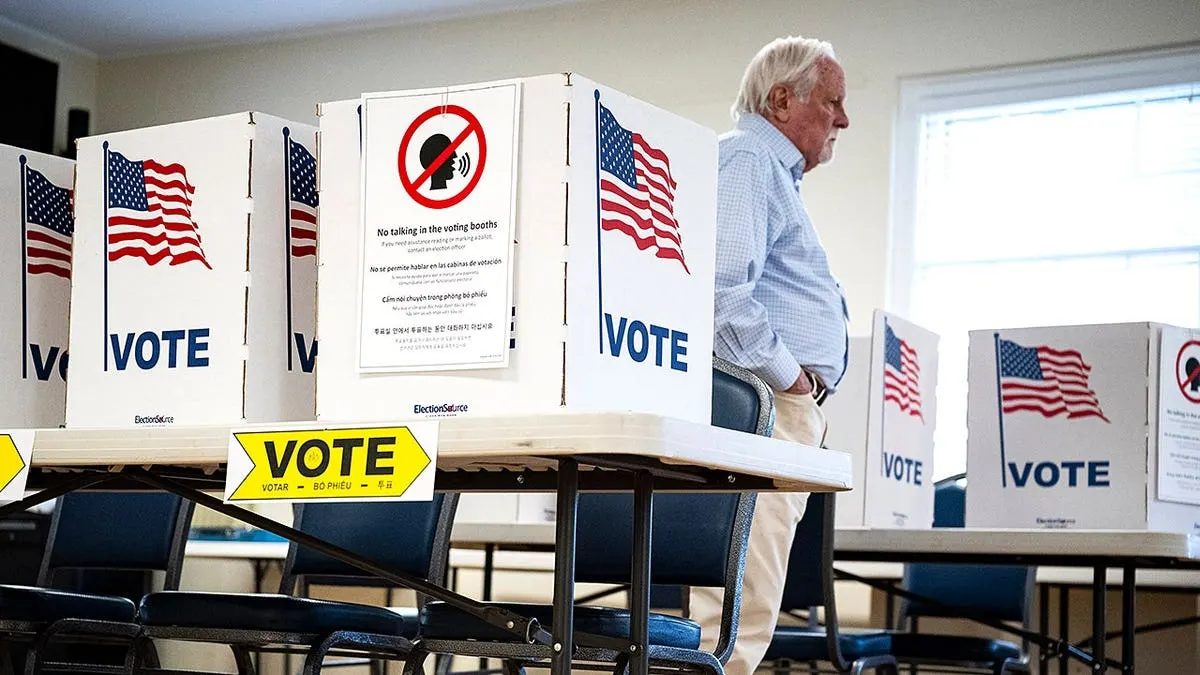
The authors argue that expected Republican losses in the midterms should be seen as a “red retreat”, rather than a Democratic “blue wave”. They say Democrats are likely to win the House and have a strong chance of taking the Senate, largely because voters are frustrated with the administration, rising costs and the war in Iran, rather than because they support a broad Democratic programme.
They point to Democrats’ stronger early voting and enthusiasm, as well as increased turnout in 17 of 22 states with competitive primaries. In Texas, Democratic primary votes exceeded Republican votes by 150,000, reversing a 900,000-vote Republican lead in 2022. The article also cites Donald Trump’s 38% approval rating and a 63% to 32% split among Americans who say the country is on the wrong track or right track; it argues that Democrats’ roughly 40% favourability means any victory would not give one faction a mandate to claim.
In short
- Democrats are favoured to win the House and could take the Senate.
- The authors attribute the shift mainly to frustration with the administration.
- They warn Democrats not to treat electoral gains as a mandate for a sharp left turn.
Steelman: both sides, in good faith
The strongest fair case each way — we don't pick a winner.
The case for
Calling likely Republican losses a “red retreat” captures the possibility that voters are reacting mainly to dissatisfaction with the administration, costs and the war, rather than endorsing Democrats’ wider programme. On that view, turnout and polling point to a fragile electoral opening, not a durable shift in political allegiance or a mandate for one Democratic faction.
The case against
Describing the result as merely a “red retreat” may understate evidence of broader Democratic momentum: stronger enthusiasm and early voting, increased turnout in many competitive primaries, and a substantial change in Texas primary participation. If Democrats win both chambers, those patterns could reflect not only rejection of the incumbent administration but growing support for Democratic candidates and priorities, even if the party’s overall favourability remains modest.
Explained simply
US midterm elections take place halfway through a president’s four-year term. Voters choose all 435 members of the House of Representatives and a portion of the Senate; the results determine which party controls Congress and can shape lawmaking and scrutiny of the president.
The Republican Party and Democratic Party are the two main US political parties. Donald Trump, a Republican, is president; the article discusses whether voters’ discontent with his administration could cost Republicans seats, and what such losses would say about support for Democrats.
A “blue wave” usually means a large election victory for Democrats, while “red” refers to Republicans. The distinction matters because an election result can reflect dissatisfaction with the party in power without showing broad support for the opposition’s policies.
Elections Government Politics World