World news and discussion on TalkFuse.
‘School Girls; or, the African Mean Girls Play’ Broadway Review: An Exceptional Portrait of Black Girlhood
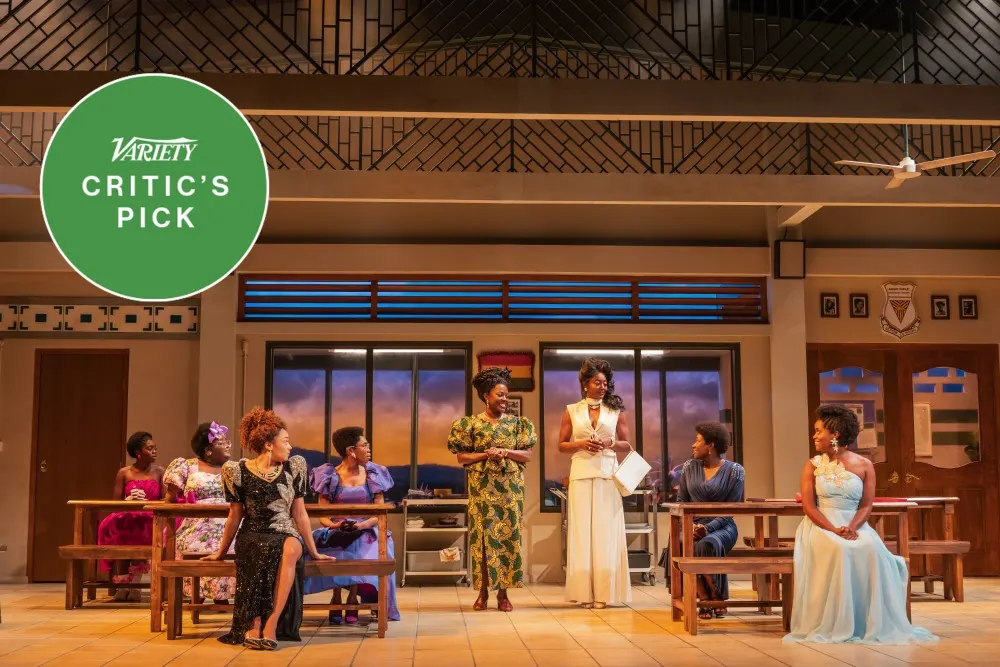
Jocelyn Bioh's "School Girls; or, the African Mean Girls Play" is a 75-minute Broadway production that captures the complexity of Black girlhood within the specificity of 1986 Ghana. Directed by Whitney White and set at a girls' boarding school, the play explores themes of colonialism, anti-Blackness and colorism whilst balancing humour with heartbreak, offering a portrait of sisterhood and the struggles faced by young Black women.
The narrative centres on Paulina, the school's queen bee who faces a threat to her dominance when Ericka, a new American-Ghanaian student, arrives at the boarding school. As the girls compete for the Miss Ghana pageant, deeper truths emerge about each character's insecurities, including Paulina's reliance on skin-bleaching creams, Nana's self-diminishment due to her larger body, Gifty's hidden dyslexia and Ericka's undisclosed secret. The production features standout costume design by Tony Award winner Qween Jean and a cast including Denée Benton as Paulina and Patina Miller as pageant recruiter Eloise Amponsah.
In short
- Broadway play captures complexities of Black girlhood in 1980s Ghana
- Girl group dynamics mirror deeper insecurities tied to colonialism and colourism
- Production praised for balancing humour with meaningful emotional depth
Explained simply
"School Girls; or, the African Mean Girls Play" is a Broadway production written by Jocelyn Bioh set at a girls' boarding school in 1986 Ghana. The play explores the lives and relationships of young Black women, examining themes including colonialism, anti-Blackness and the harmful effects of colourism on self-image and identity.
The story centres on competition between Paulina, the school's most popular student, and Ericka, a new American-Ghanaian arrival, as they vie for the title of Miss Ghana. Beyond the surface rivalry, the play delves into each character's personal insecurities, revealing how pressures around appearance, academic ability and belonging affect young Black women navigating adolescence.
The production captures something often underrepresented in mainstream theatre: the specific experiences of Black girlhood. By setting the story in 1986 Ghana rather than America, it broadens the conversation beyond a single cultural context and offers audiences a nuanced portrait of sisterhood and the challenges young Black women face.