World news and discussion on TalkFuse.
‘School Girls; Or, The African Mean Girls Play’ Broadway Review: When Escape Is Just A Clique Away
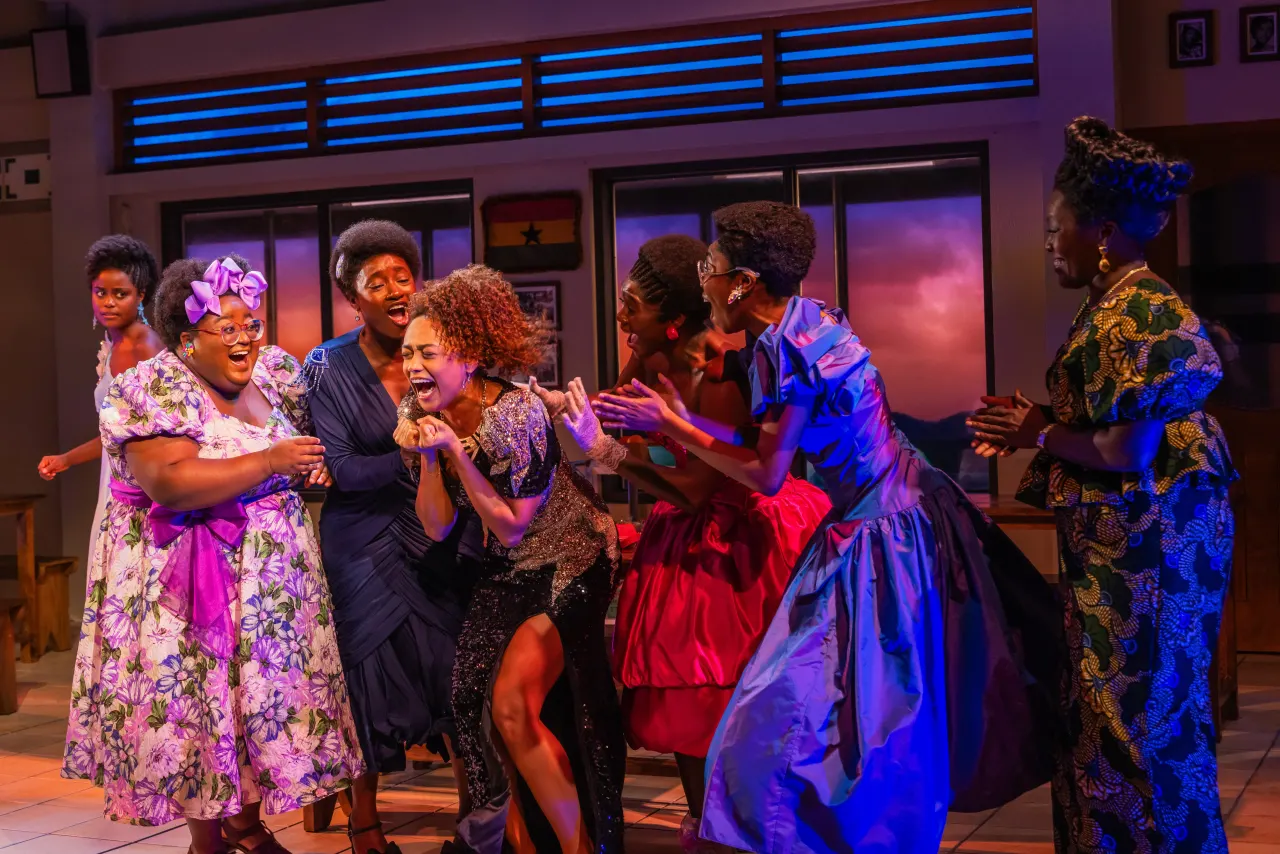
Jocelyn Bioh’s *School Girls; Or, The African Mean Girls Play* has opened on Broadway in a Manhattan Theatre Club production directed by Whitney White. Set in a Ghanaian boarding school in 1986, the comedy-drama uses familiar high-school clique dynamics to examine how cruelty and the desire to escape can be shaped by wider pressures, including poverty and colourism.
The review centres on Paulina, a feared clique leader whose insecurity about her dark skin and impoverished home life fuel her bullying of classmates, especially Nana and her friend Ama. Their pecking order is unsettled when Ericka arrives from America: she is kind, light-skinned and has genuine US fashion and celebrity connections, exposing Paulina’s pretensions. The critic praises Bioh’s handling of the characters’ hurt without excusing their behaviour, as well as White’s direction and the cast.
In short
- Jocelyn Bioh’s play brings a Ghanaian school clique story to Broadway.
- A new student from America disrupts the clique’s hierarchy.
- The review praises its nuanced treatment of bullying, insecurity and colourism.
Explained simply
Jocelyn Bioh's play School Girls; Or, The African Mean Girls Play has opened at the Manhattan Theatre Club on Broadway, directed by Whitney White. Set in a Ghanaian boarding school in 1986, it uses the framework of high-school cliques and social hierarchies to examine themes of cruelty, insecurity and belonging among young people.
The central character is Paulina, a powerful member of a clique who bullies classmates including Nana and Ama. Her position is complicated by her own insecurities about her appearance and home life, factors that influence her behaviour towards others. The social order shifts when Ericka arrives from America—light-skinned and connected to American culture—and gains status in the school.
The play explores how economic circumstances and attitudes about skin colour intersect with the pressures young people face at school. It examines both the drivers of cruelty between peers and the consequences for those who experience it.